CNC Machining Services
Choose the CNC route that fits your released geometry, material, quantity and inspection requirements. Sendot reviews CAD and drawings for milling, turning, combined routes and prototype-to-repeat production decisions before a project-specific quote.
Project-specific manufacturing review
On Demand CNC Machining Services
CNC milling and turning can support prototypes, pilot parts and repeat low-volume orders when the released design, material and inspection needs are defined.
Send CAD, a controlled drawing, quantity scenario, finish and critical features. Engineering feedback can identify manufacturability questions; the buyer remains responsible for final design release and approval.
What to define before quoting
- Part function, material and acceptable substitutions
- Prototype, pilot and expected repeat quantities
- Datums, critical dimensions, GD&T and inspection records
- Surface finish, marking, packaging and delivery requirements
CNC Machining Processes We Support
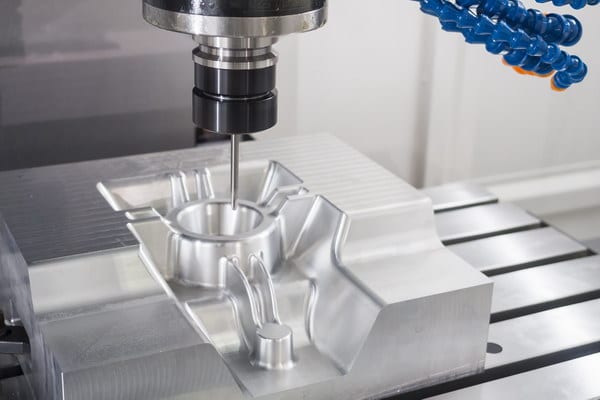
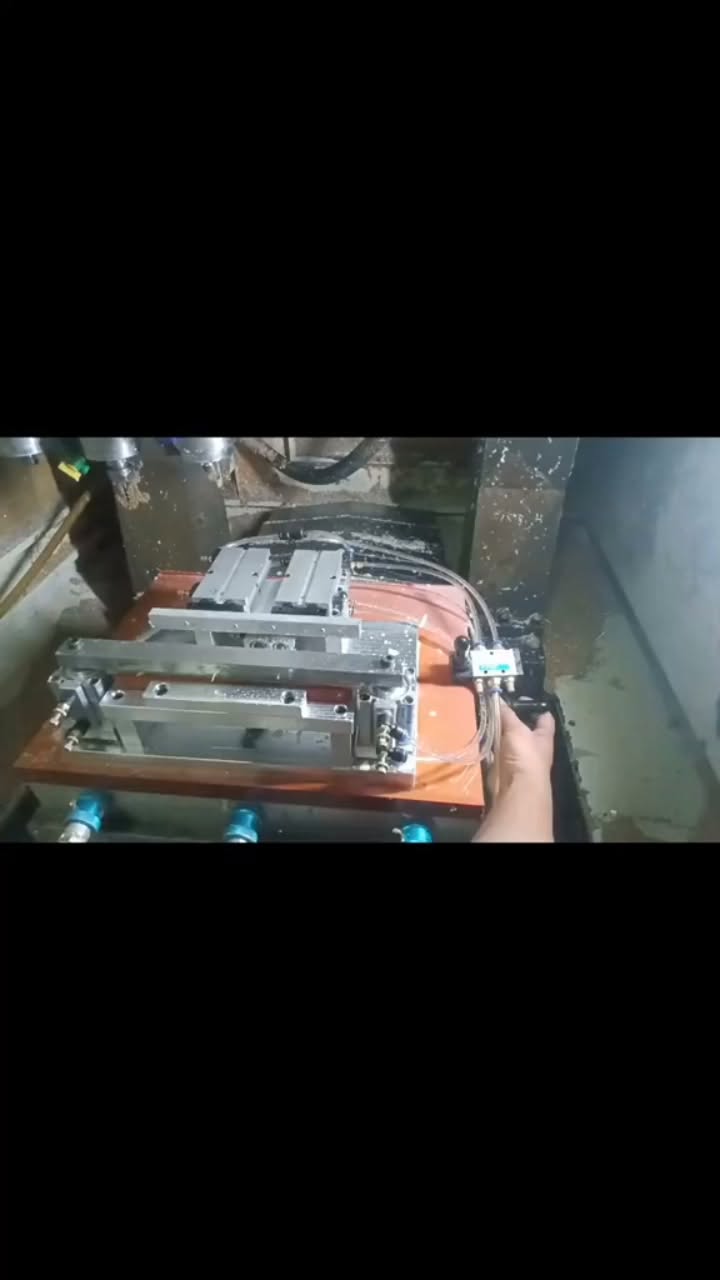
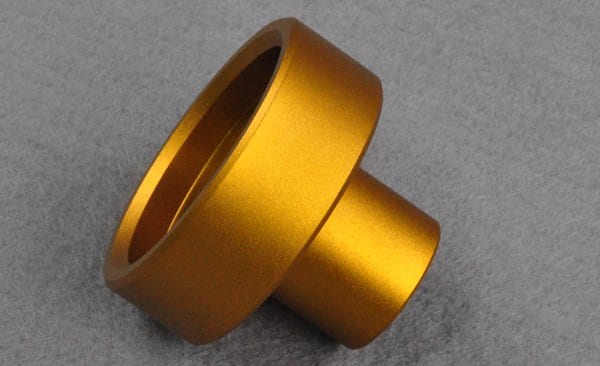
CNC Milling
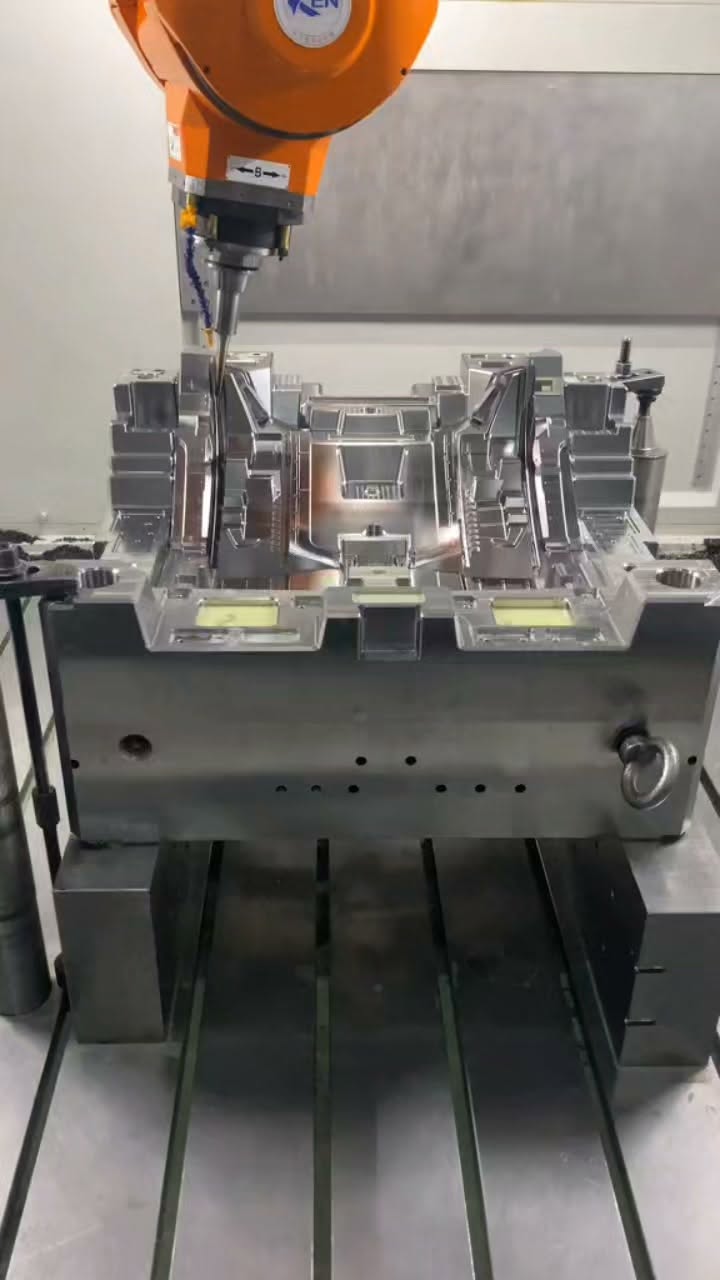
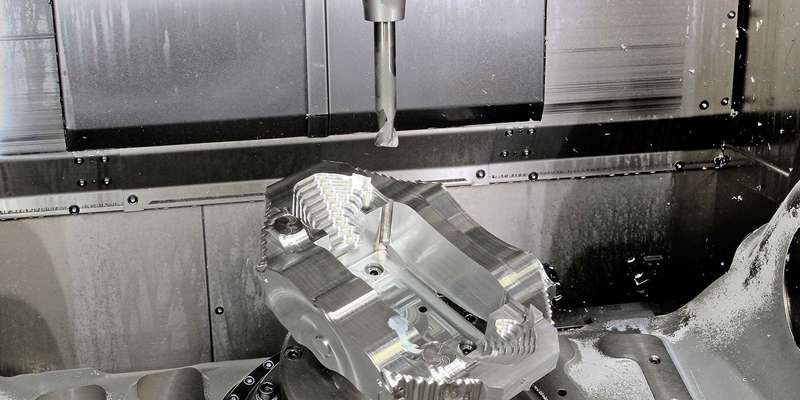
CNC milling is a subtractive manufacturing method that uses a cutting tool to moves and rotate to remove material. CNC mills can be used for cutting and machining operations of various plastic and metal materials. It is suitable for any industry that requires precision components and is also an ideal tool for making molds.
Learn More CNC Milling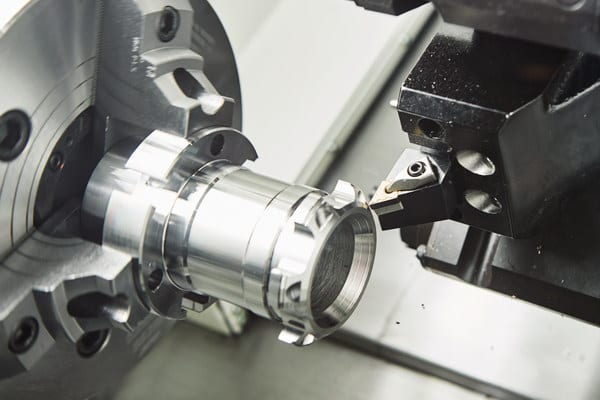
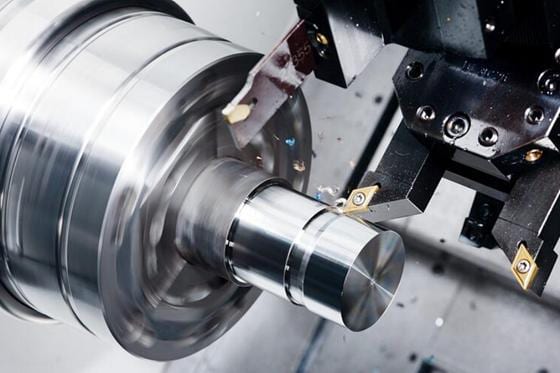
CNC Turning
CNC turning removes material by contacting a cutter with the high-speed rotating workpiece and is usually used to create round or tubular shapes. The CNC turning process allows the generation of complex external geometries and internal holes, including the machining of various threads.
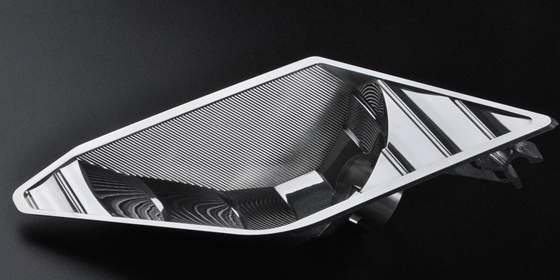
Learn More CNC Turning5-Axis CNC Machining
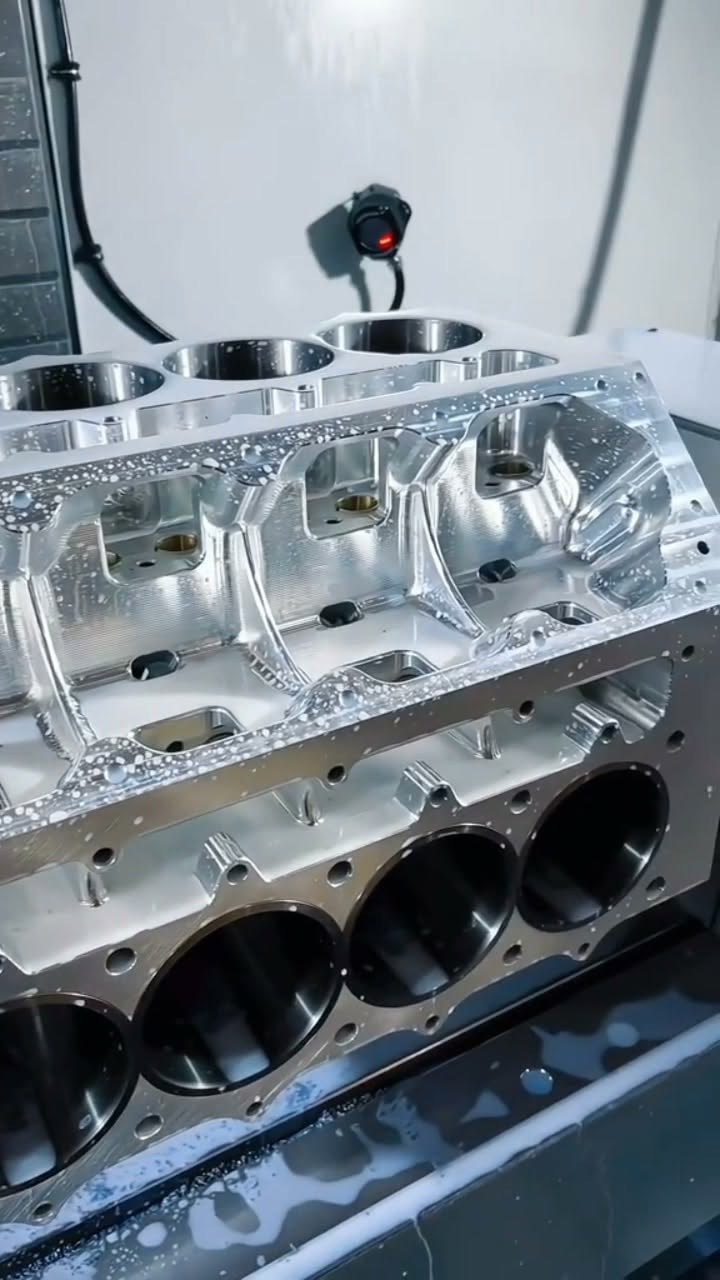
5-axis CNC machining allows complex parts with multiple side features to process up to five sides in a single setup. This can pay big dividends in better machine utilization, reduce setups and cycle times, and improve quality. The ability of 5-axis machining will make our CNC factory more cost-effective for a wider range of work.
Read MorePrecision CNC Machining
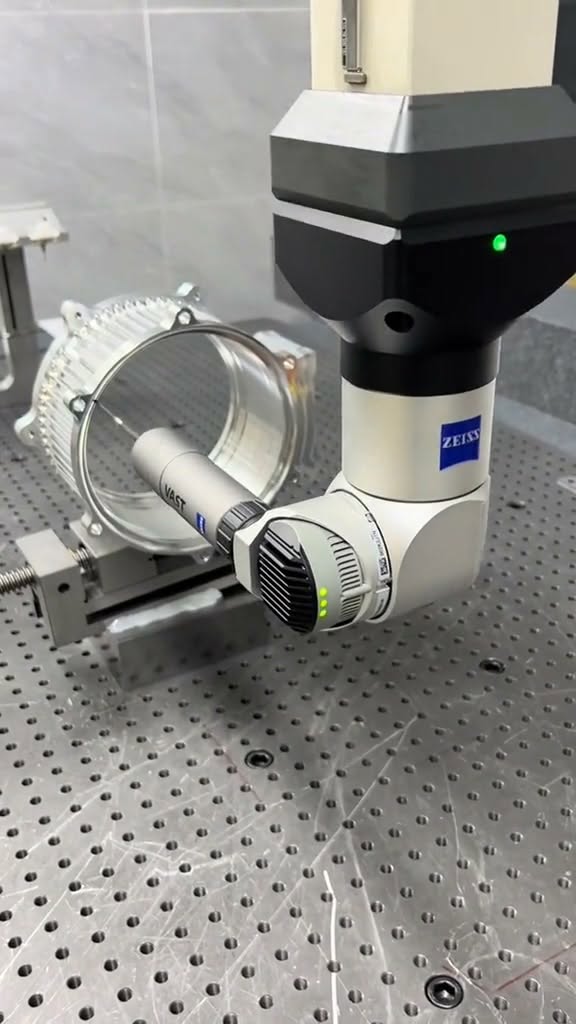
Need to achieve a tight tolerance of drawing-defined critical tolerance? With proven expertise, advanced CNC technology and inspection equipment, we have the experience to provide perfect accuracy and repeatability, even for the most complex parts. We are committed to providing precision CNC machining services to meet or exceed customer expectations.
Explore MoreHow to evaluate a CNC machining route
The right route depends on geometry, access, material, quantity, revision stability and the evidence required at acceptance.
- Use milling for faces, pockets, holes and multi-sided features.
- Use turning for predominantly rotational geometry.
- Review a combined route when turned and milled datums interact.
- Compare CNC with tooling or casting when quantity and design stability change.
- Confirm the inspection plan against the released drawing.
FROM CNC PROTOTYPING TO LOW-VOLUME PRODUCTION
We Offer A Differentiated Custom Machining Service
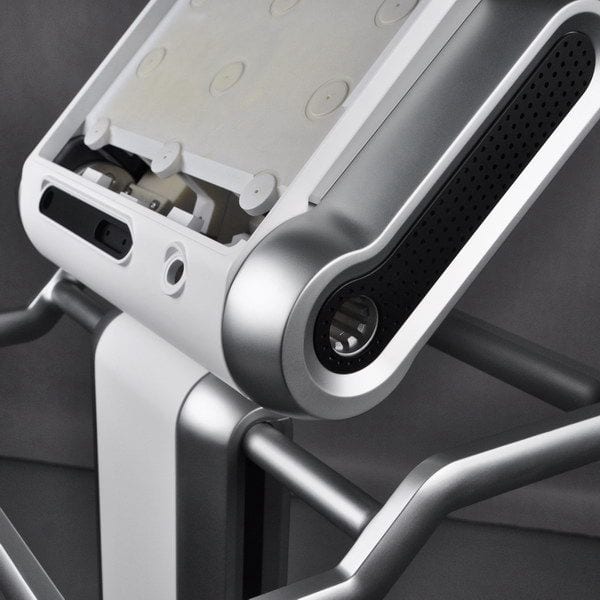
Prototype Machining for Design Verification and Engineering Testing
Prototyping is the process of creating plastic and metal parts through CNC processing. It allows your design team to closely simulate the appearance, function, and material properties of the final product. Moreover, testing the suitability and manufacturability of components helps to prove and perfect the design.
We offer professional CNC services to ensure quality and accuracy, with a commitment to fast delivery.
Watch Video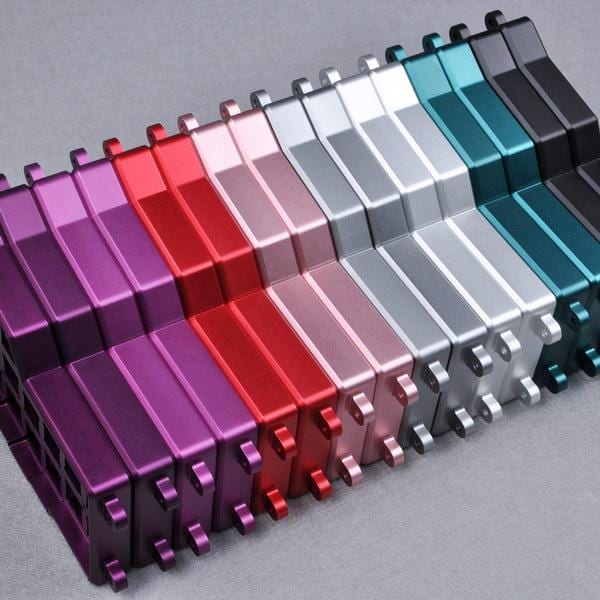
Custom Machining for Low-volume Production of End-use Parts
The advantages of CNC machining are particularly well suited to the requirements of low-volume production runs of custom parts. Its accuracy and repeatability, flexible processes, as well as a wide range of material options help bring products to market faster. Whatever you need to custom machined parts or products, our CNC machine shop can offer integrated solutions to help you shorten production time.
State the required quantity range and expected repeat demand so the CNC route can be reviewed against the project scope.
Watch VideoCase Applications of CNC Machined Parts
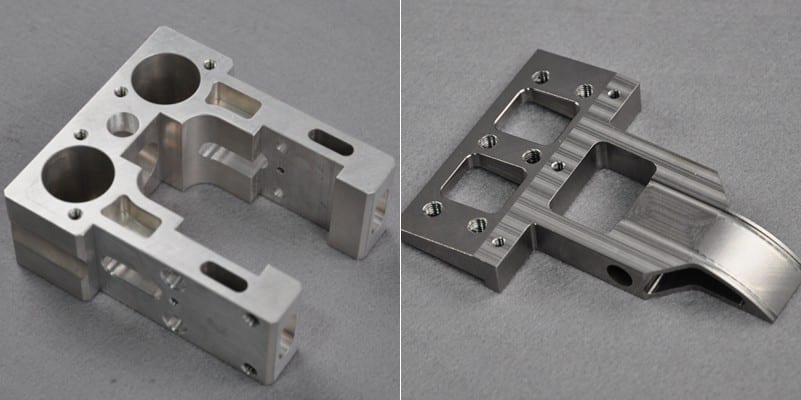
CNC machining is a versatile manufacturing technology that can be used for a wide range of applications where real materials, accuracy and functional validation matter.
Prototype Design Verification
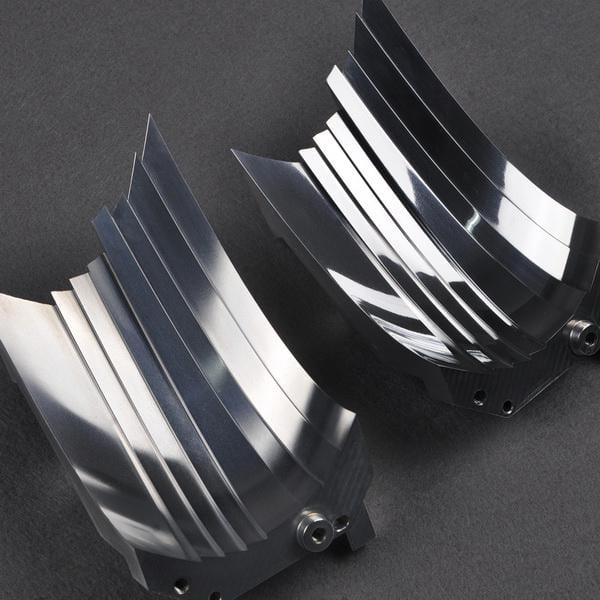
Functional Testing Complex Designs
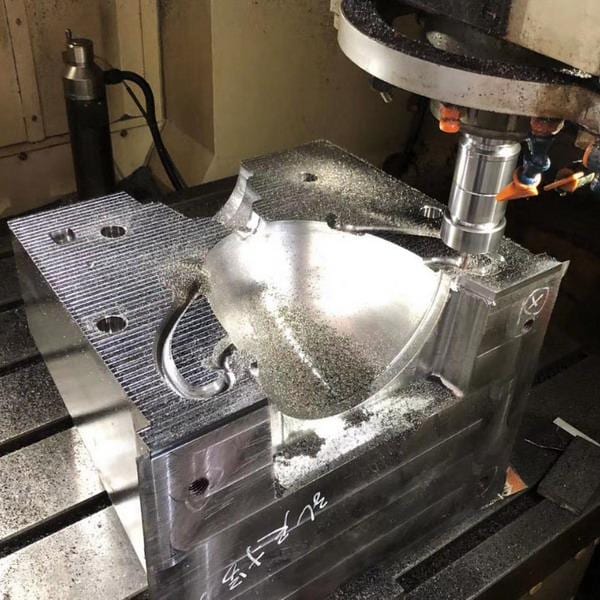
Create Metal Molds and Tooling
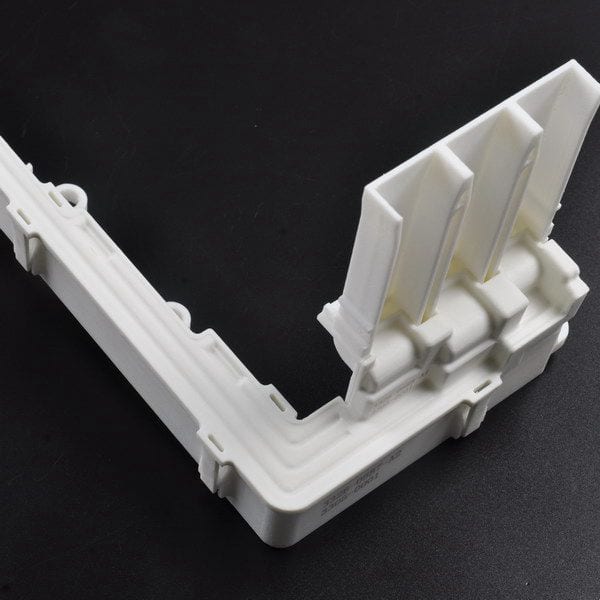
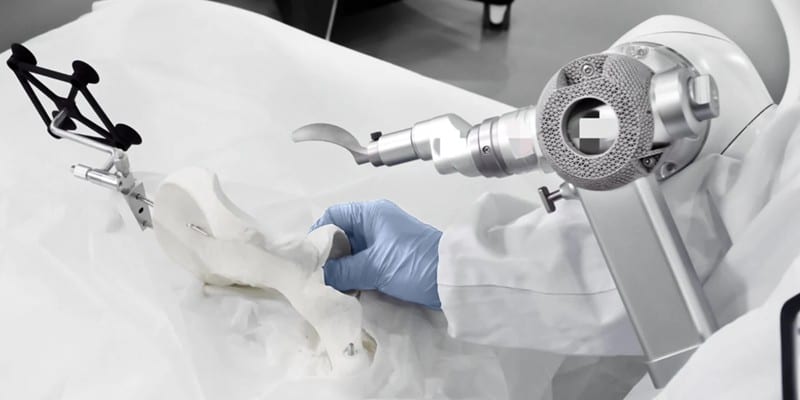
High Performance Machined Medical Components
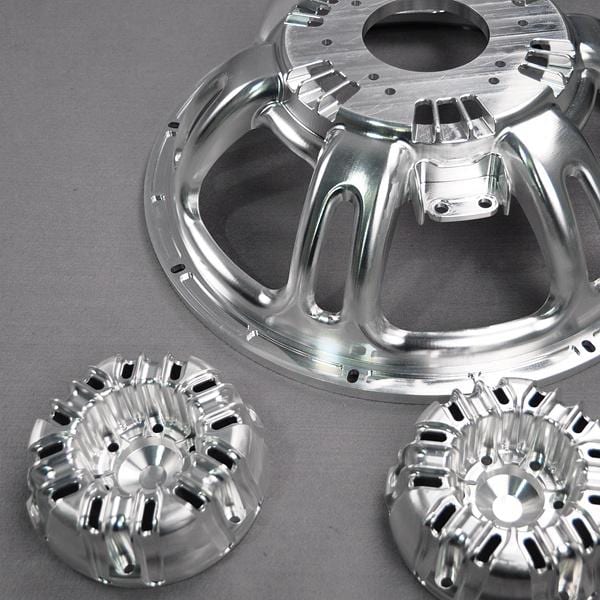
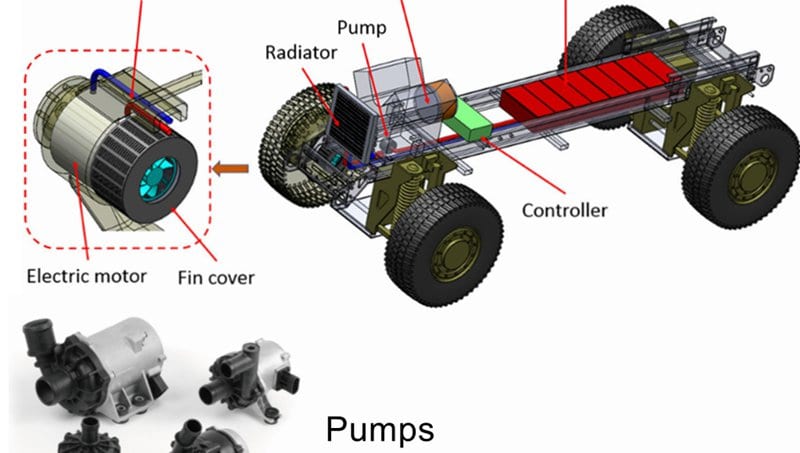
Machinable Custom Automotive Parts
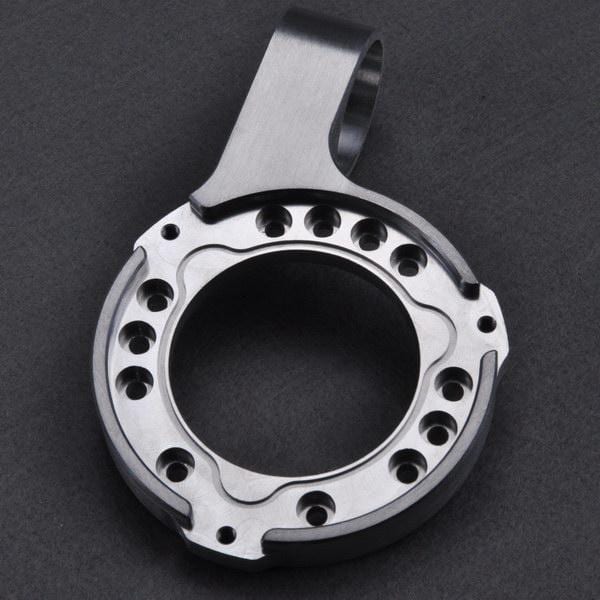
High Precision Machined Aerospace Components
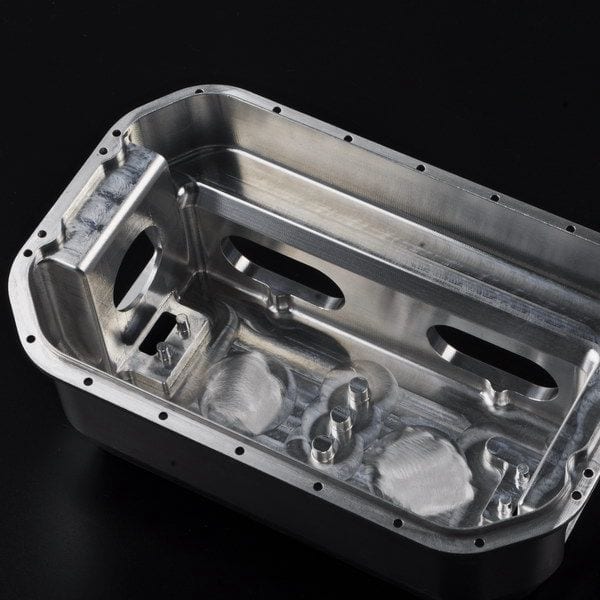
Metal and Plastic Machining of Consumer Electronics
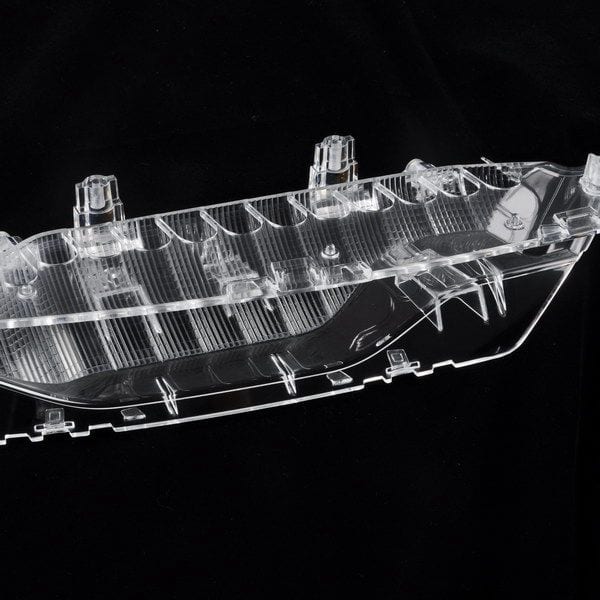
Clear Optical Prototypes With Precision CNC Machining
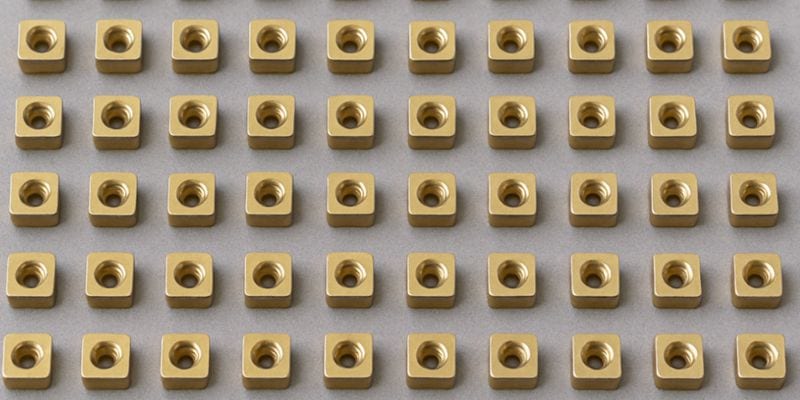
Low-Volume Machined Parts of End-Use
Materials and finishes for CNC machining projects
State the required material grade, temper or functional requirement in the RFQ. Define finish type, color, masked areas, cosmetic surfaces and any dimensional effect rather than relying on a finish name alone.
Metal and plastic inputs
Send the specified material or functional requirement with the drawing. Acceptable substitutions and availability are confirmed during project review.
Surface finish inputs
Identify anodizing, plating, painting, polishing, texture, color or other finish requirements, including surfaces that must remain masked.
Inspection inputs
Mark critical dimensions, datums, threads, fits and appearance criteria so the acceptance plan matches the released revision.
CNC Plastic Machining
More than 30 engineering-grade materials can be used for CNC plastic machining. The machined plastic parts are 100% functional and able to be mechanically tested.
More About CNC Plastic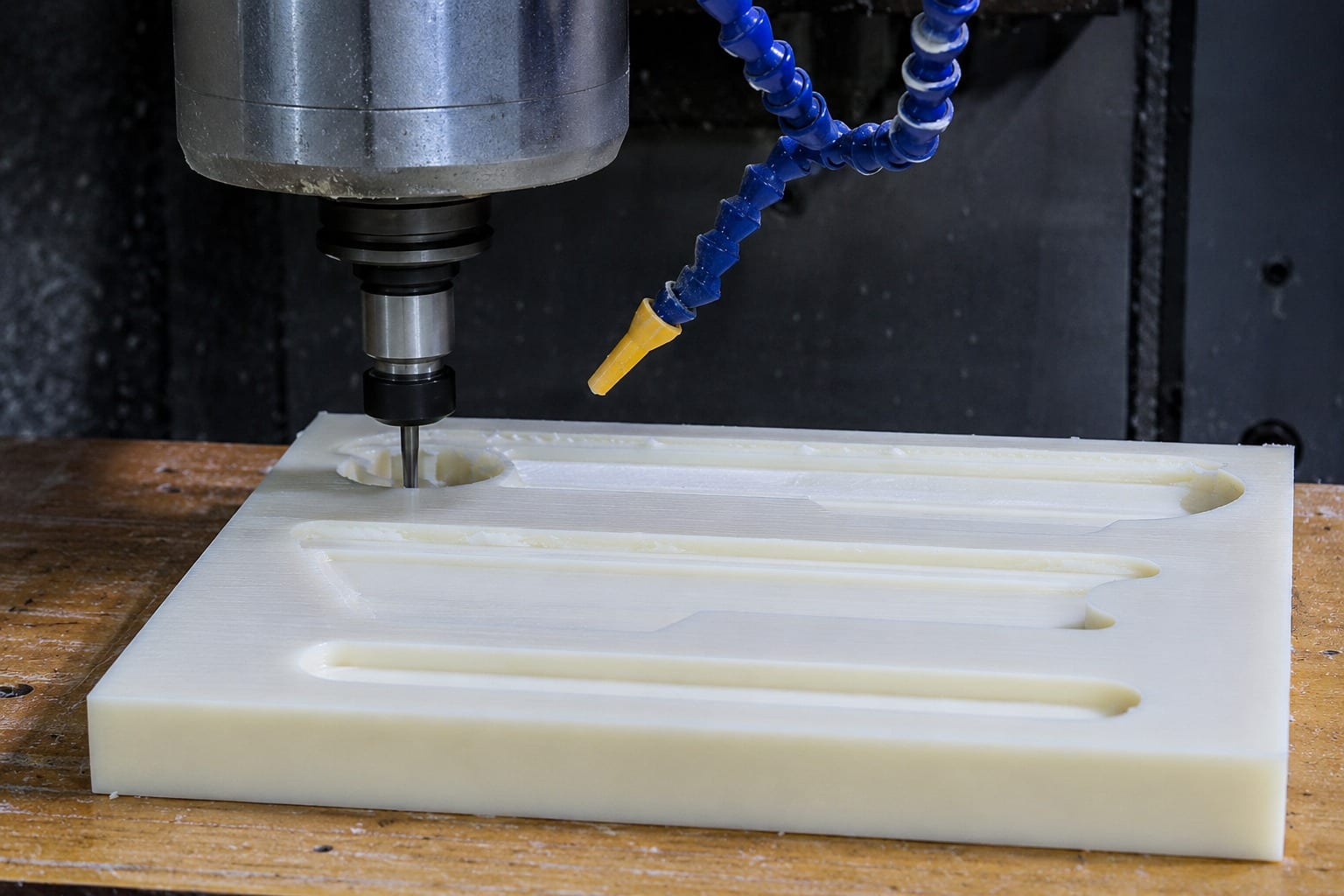
CNC Metal Machining
Whether it is prototypes or end-use parts, our mastery of CNC metal machining techniques helps us achieve tighter tolerances, faster turnaround times, and more challenging manufacturing projects.
More About CNC Metal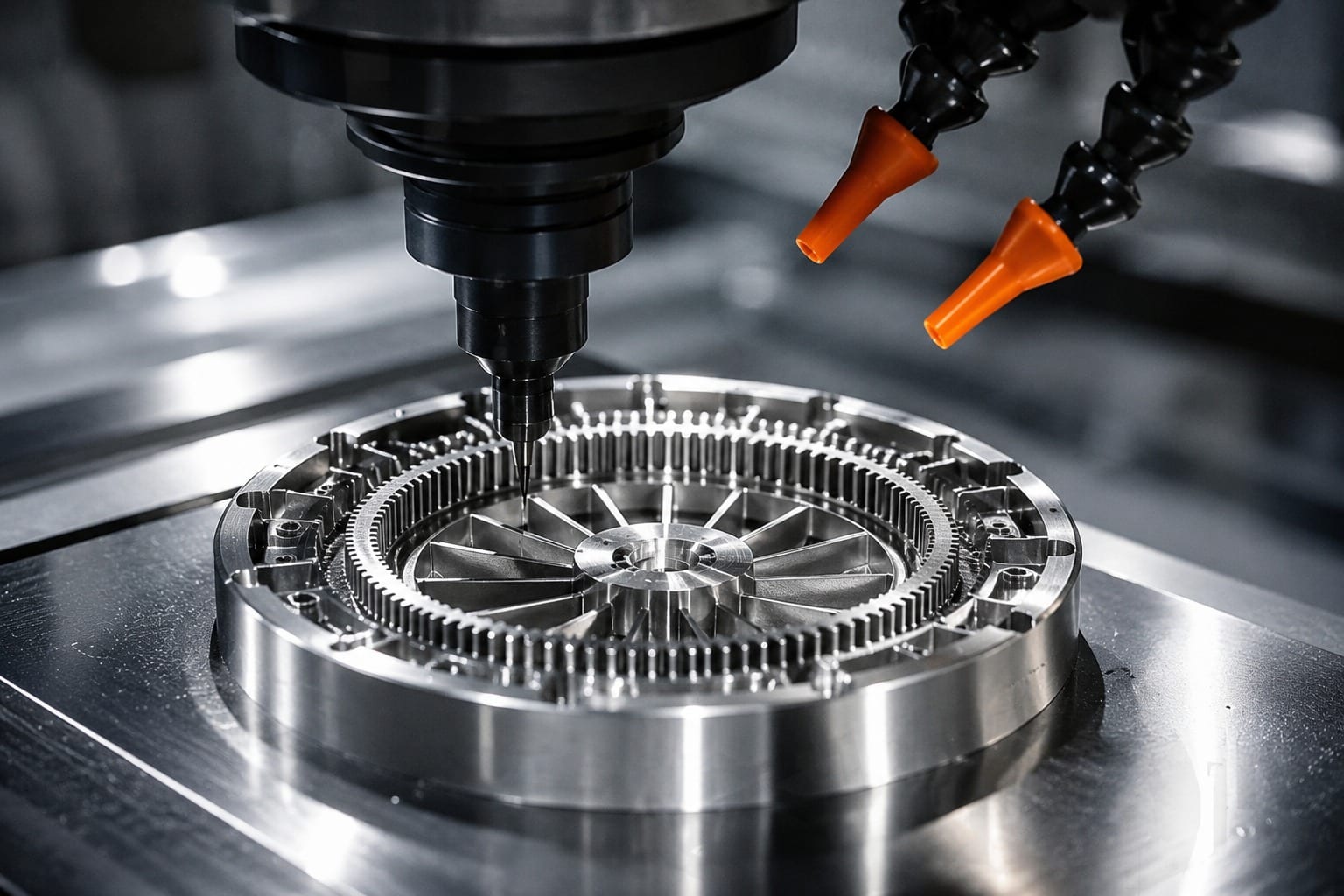
Process and inspection review
Prepare the CNC process discussion
A useful CNC RFQ connects the part geometry and material to the required setups, access, finish and inspection scope. Share the current files and project stage for review.
Upload CAD for DFM & Quote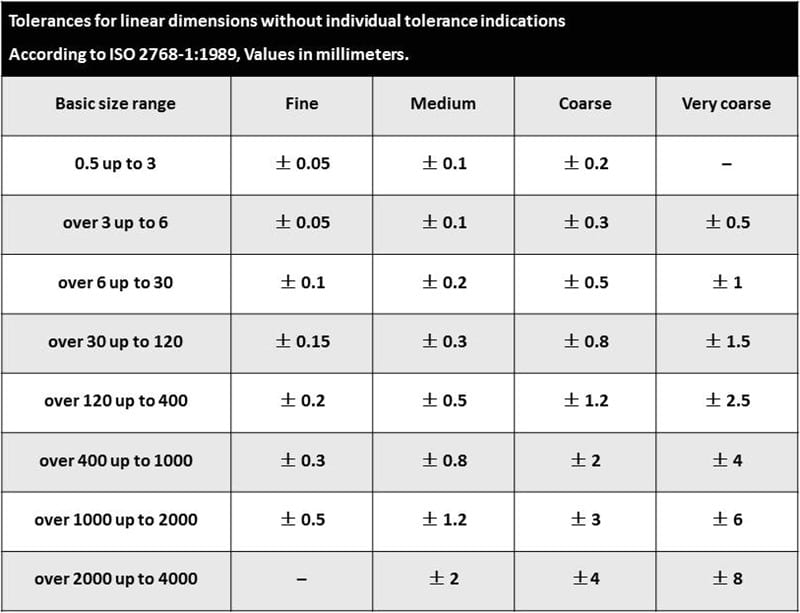
CNC machining tolerances are drawing-defined
Tolerance requirements depend on the feature, material, process, datum scheme and inspection method. Provide a controlled 2D drawing with critical dimensions and GD&T where applicable. The project team can then confirm what is reviewable for the selected route instead of applying one blanket capability number.
ORDER CNC MACHINING SERVICES
From CAD review to project-specific quote
Upload CAD and drawing
Share the current model, controlled 2D drawing, revision and project stage.
Define the requirements
State material, quantity, finish, critical features, inspection needs and expected changes.
Review DFM questions
Supplier feedback identifies manufacturing risks; buyer approval controls the final design release.
Confirm the quote scope
Agree the current revision, process route, acceptance requirements and commercial assumptions.
Request a QuoteDesign For Manufacturability
A Quick Guide to Designing CNC Machined Parts
Optimize your designs to avoid unnecessary machining features, limit part complexity, help reduce CNC machining costs and time, and create machined parts faster and more efficiently.
As large an internal radius as possible
Any internal cut will generate a fillet that is half the diameter of the tool used. Milling with smaller tools takes a long time and we recommend that the radius should be greater than 1/3 of the depth of machining. The best bet is to relieve internal corners or allow for as large an internal radius as possible on mating part designs and use the same radius on all inside edges so that the same tool can be used throughout the CNC machining processes.
Avoid overly deep cavities, grooves and holes
The depth of the cavity and groove is usually related to the diameter of the tool used to make the internal fillets, and a good rule of thumb is to keep the cavity depth 3 – 4 times the tool diameter or the groove depth less than 4 times the feature width. Whether blind holes or through holes, the recommended maximum depth is 4 times the diameter and the minimum hole diameter is 1 mm, and it is recommended to design standard size holes. With a standard drill, holes can be machined quickly and with high precision; for non-standard holes, using an end mill will increase costs.
Avoid thin walls
As with tall walls, vibration increases when machining thin features. As a guide, the minimum thickness of thin-walled metal parts should be 0.5-0.8 mm, and the minimum thickness of plastic parts should be 1.0- 1.5 mm. If the walls are for supporting action or taller features, the wall thickness should be increased to avoid vibrations during CNC machining processes.
Avoid small or raised text
You may need to mark parts with part numbers or company names. Adding text looks really cool in the custom CNC machining, but is time-consuming to process; electrochemical etching or laser marking is usually better. If you must cut text, choose recessed rather than raised text whenever possible, keep it simple and large, with a font depth of no more than 0.3mm.
Stick to the standards for threads
Sticking to standard sizes is also important when creating threads. Length should be kept to a maximum of 3 times the nominal diameter of a hole. For blind hole tapping, it is preferable to add an additional length of at least 1/2 hole diameter at the root of the hole. You might also think about using inserts. threaded coils and brass nuts provide longer service life than bare threads, especially in soft materials such as aluminum or plastic, and are easy to install.
CNC Machining Case Study
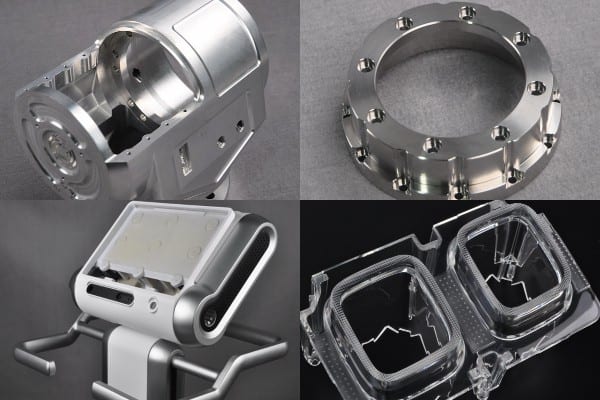
Kindly take a closer look at some of the CNC machining projects. At Sendot Technology, we strive to deliver exceptional results and assist you in achieving your machining requirements.
Learn More Case StudiesCNC Machining Technical Solutions
Explore how Sendot Technology considers your design during the CNC machining process and provides expert manufacturing advice and machining solutions.
Learn More Technical Solutions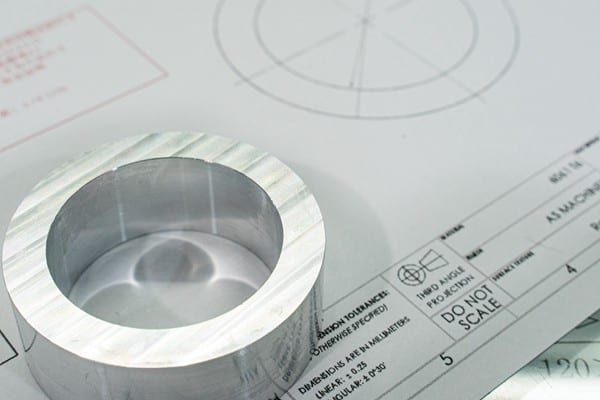
WHAT DO YOU NEED TO KNOW ABOUT?
CNC Machining FAQs
We offer product developers parts machined from engineering-grade materials that are suitable for functional testing or end-use applications. Get the support you need on CNC machining and engineering information by reading the FAQ here.
What kind of CNC machining services do you offer?
CNC machining is also called computer numerical control machining. We do the following machining services: milling, turning, drilling, threading, tapping, EDM and wire EDM, custom surface finishing, prototype machining, low volume or one-off part machine run, modification of an existing part, material sourcing assistance, limited material warehousing and parts dispatching.
From prototype to repeat production, state the quantity scenario and schedule requirements so the manufacturing route can be reviewed against the current files.
How are CNC machining capabilities confirmed?
Submit the controlled CAD and drawing with material, quantity, finish, critical features and inspection requirements. Machine route, access, dimensional feasibility, capacity and schedule are confirmed for the specific project.
What determines the cost of a CNC machined part?
Geometry, setups, material, quantity, finish, critical features, inspection scope and delivery requirements all affect the quote. Compare quotations against the same drawing revision and commercial scope.
How do I confirm machine-envelope fit?
Provide the complete part geometry and drawing. Envelope, workholding, tool access and the required datum relationships are reviewed together before a route is confirmed.
What kind of surface finish does CNC machining leave?
Once the machining process is complete, the CNC parts surface will have slight visible tool marks, called “as-machined” or “as-milled” surface finish. Machined surface roughness (Ra) is standardized at 1.6–3.2 μm, and surface finish requirements can be increased to 0.8–1.6 μm or higher at 0.2–0.8 μm, however, this will require more operating time and higher costs.
Quick Overview: CNC Machining Quotes
What information do you need to quote my part?
In order to provide a meaningful quote, we require the following information:
We accept CAD data in any format, 2D and 3D, including STP, IGES, X_T, DWG, PDF and STL.
The expected quantities, machining processes, and raw materials required.
Any necessary secondary operations, including finishing specifications, heat treatment, anodizing or plating, etc.
Any applicable customer specifications, such as First Article Inspection, PPAP requirements, and required outside process certificates.
Any other useful information, such as target pricing or required lead times.
I don’t have CAD data, can you help me design the part?
Designing parts are outside of our scope as a contract manufacturer, but we can provide some guidance on design for manufacturability (DFM). With DFM, we can advise on how to optimize your design and reduce costs while retaining functionality.
How is quote timing confirmed?
Quote timing depends on the completeness and complexity of the submitted files and requirements. Send the current CAD, drawing, revision, quantity, material, finish and inspection needs for project review.
How is lead time confirmed?
Schedule is confirmed per order after the drawing, quantity, material, process route, inspection scope and other project requirements are reviewed.
How should inspection and quality documentation be specified?
Identify critical features, datums, acceptance criteria, sampling or inspection expectations and required records in the RFQ. The inspection and documentation scope must be agreed for the order rather than assumed as a default.
More CNC Machining Resources
What is CNC Machining: Processes, Operations & Benefits
How much do you know about CNC machining? This article is an ultimate guide to introduce everything you need to know about this process.
Read Resource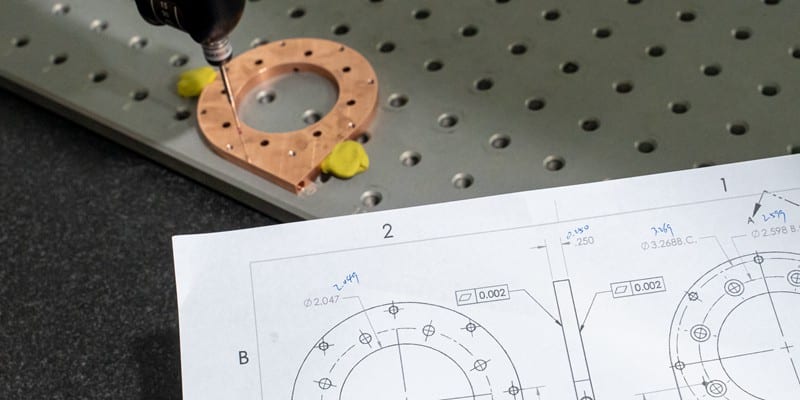
CNC Machining Tolerances Explained: All You Need to Know
CNC machining tolerances are critical in manufacturing precision parts and components, especially those that must fit perfectly in an assembly. Read more!
Read Resource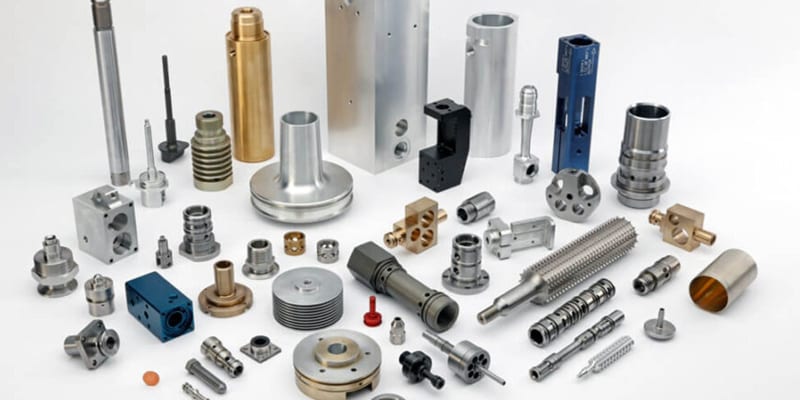
CNC Machining Materials 101: How to Choose the Right One?
With a wide range of metal and plastic options available, the article will give you a complete CNC materials selection guide for your projects.
Read ResourceQuote Now to Start Your CNC Machining Project
Submit the controlled files and requirements for a project-specific manufacturing review and quote.
Request a QuoteCustom CNC machining supplier for prototypes, low-volume and repeat parts
Sendot is a China-based custom CNC machining supplier for buyers who need prototype CNC machining, low-volume CNC machined parts, or repeat production from the same approved drawing. Share a 3D model and a dimensioned drawing; we review material, tolerances, finish, quantity and inspection needs before quoting, then confirm what is practical for the specific part rather than promising a generic capability.
| Buyer task | Useful CNC route | What to include in the RFQ |
|---|---|---|
| Prototype CNC machining for a new assembly | Machine final-intent metal or engineering-plastic parts before committing tooling. | STEP model, released drawing, critical fits, material/finish and target date. |
| Low-volume CNC machining in China | One-off, pilot and repeat batches without a hard-tooling commitment. | Part mix, quantities, expected repeat demand, packaging and shipping requirements. |
| Custom CNC-machined housing or enclosure | Milling for pockets, bores, sealing faces and threaded features; 5-axis planning when access or datum relationships require it. | Mating features, sealing/thermal needs, critical datums, finish and inspection requirements. |
For complex housings, deep cavities and multi-datum features, see precision machining and subcontract support. For a pilot build that may later change process, see low-volume manufacturing. A drawing review is most useful when the functional requirements are explicit; our DFM guide explains the cost and manufacturability questions to settle before release.