CNC milling and turning under one roof
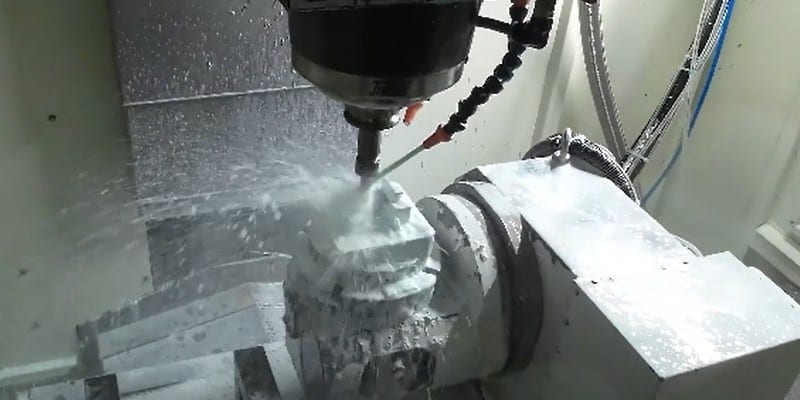
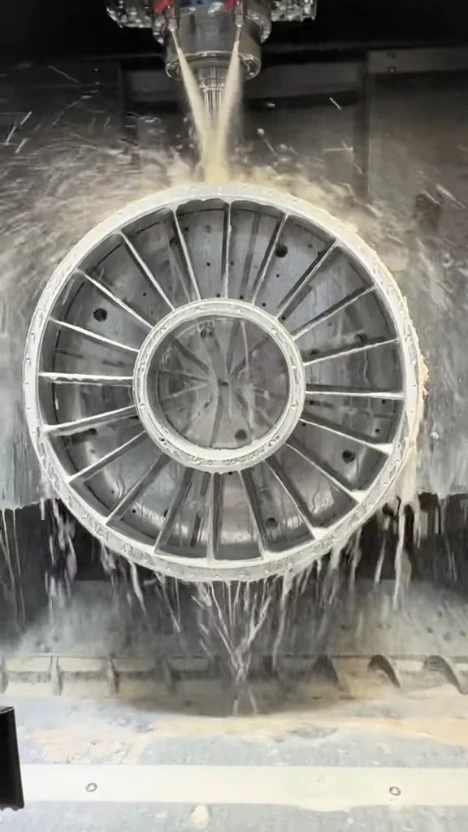
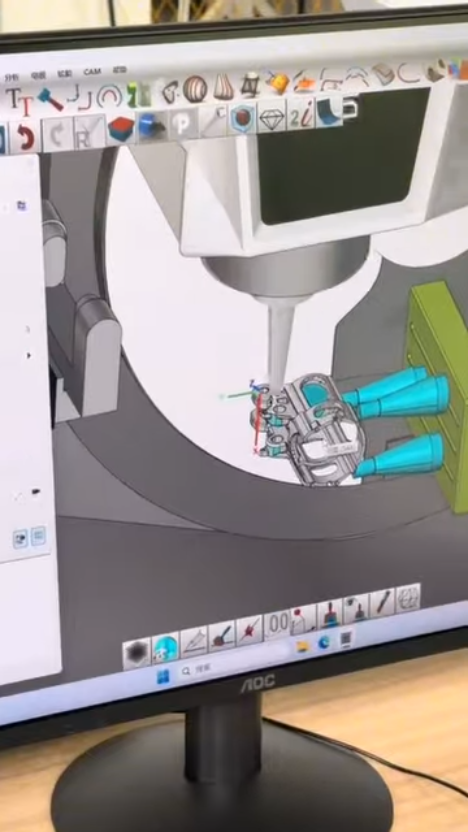
Sendot Technology runs CNC milling and turning in the same shop — 3-, 4- and 5-axis milling plus CNC lathe and mill-turn work, so a part needing both milled features and turned diameters is finished without moving between suppliers, to ±0.05 mm on critical features, with no minimum order and a quote after engineering review.
Milling and turning in one supply chain
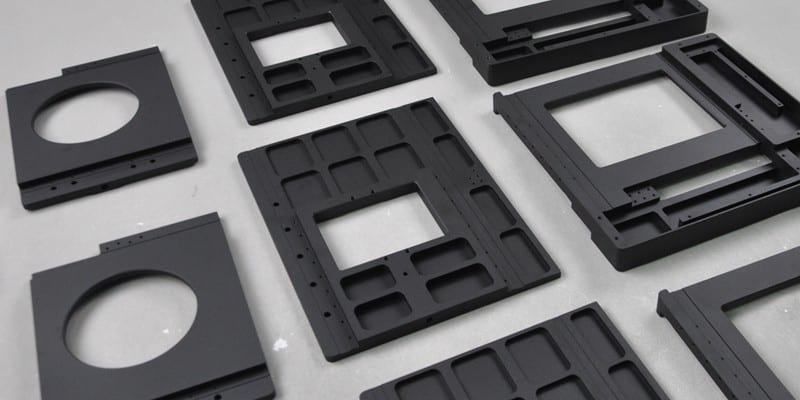
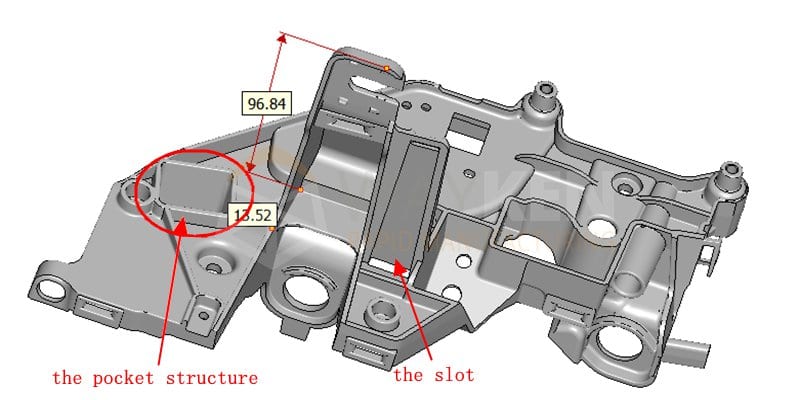
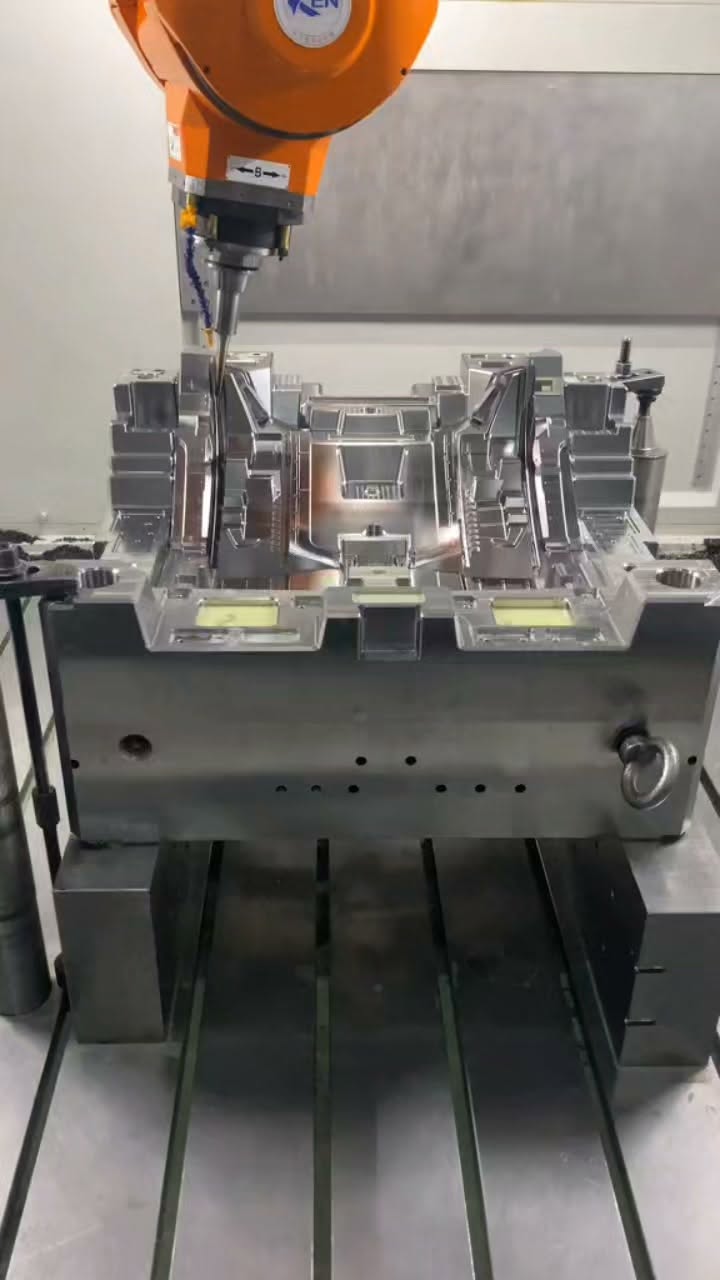
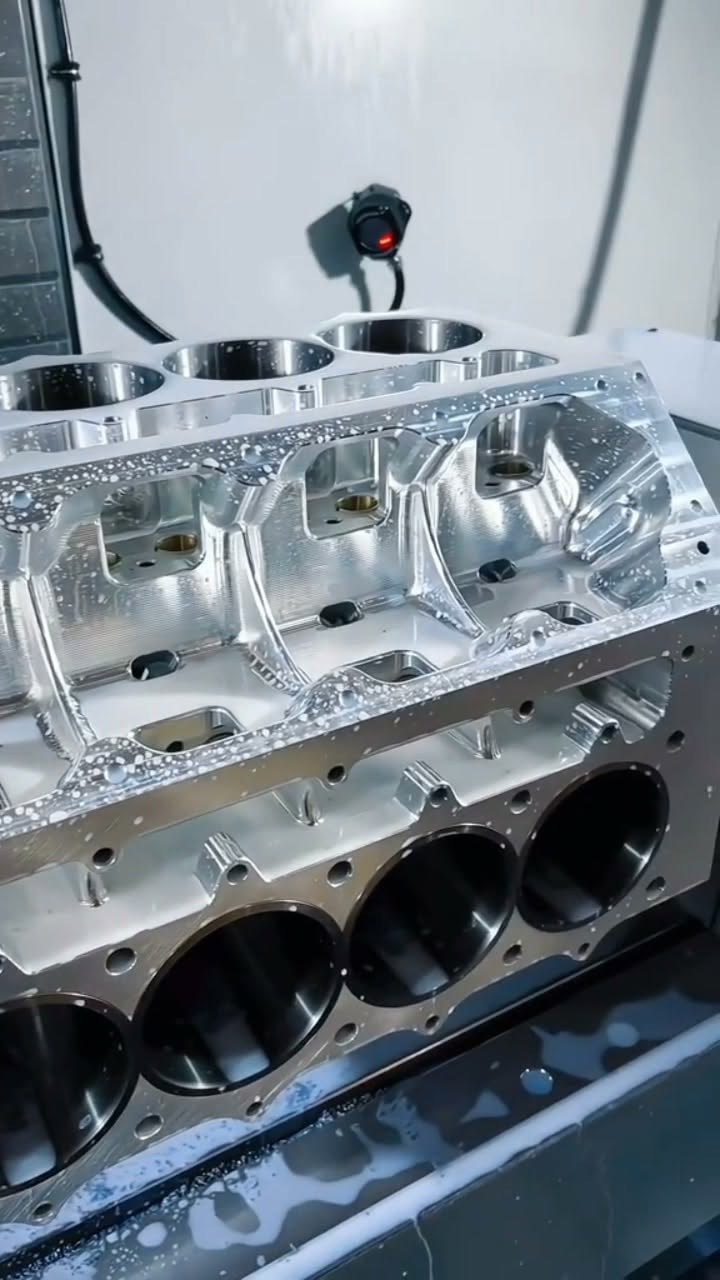
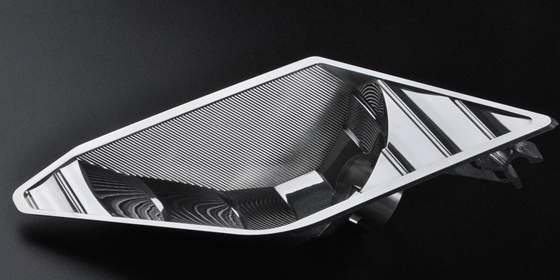
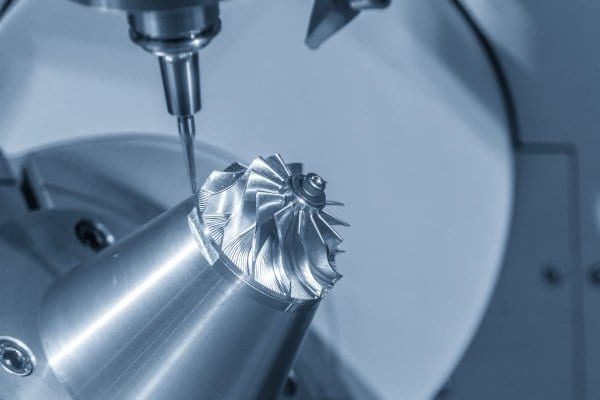
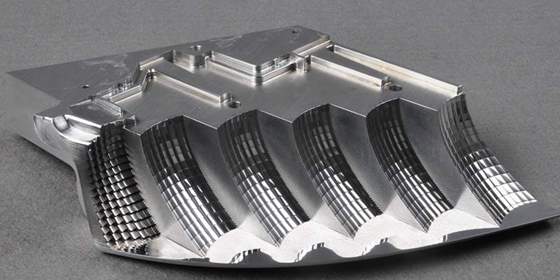
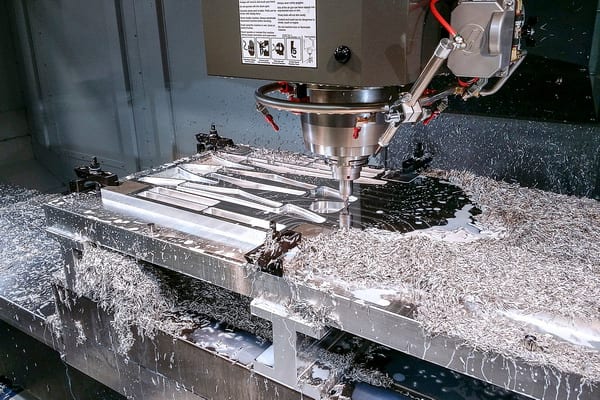
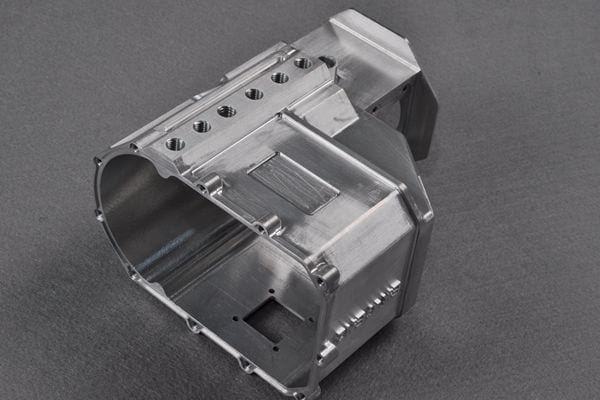
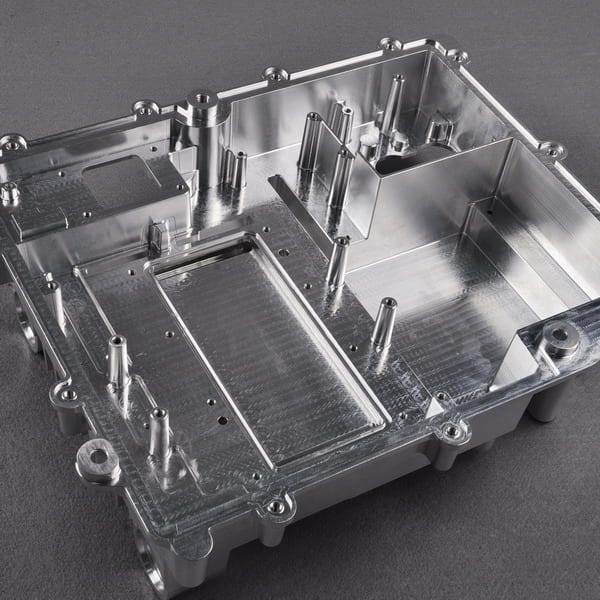
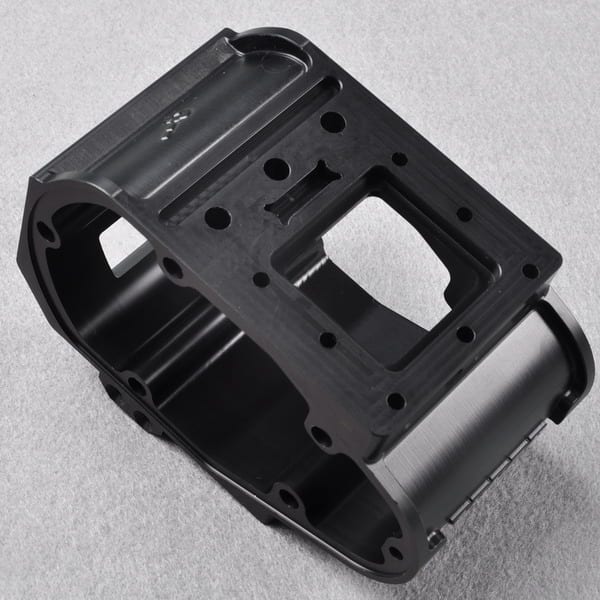
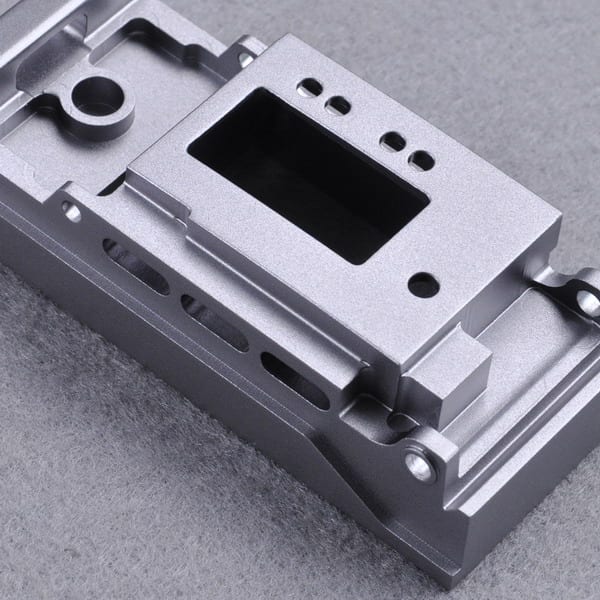
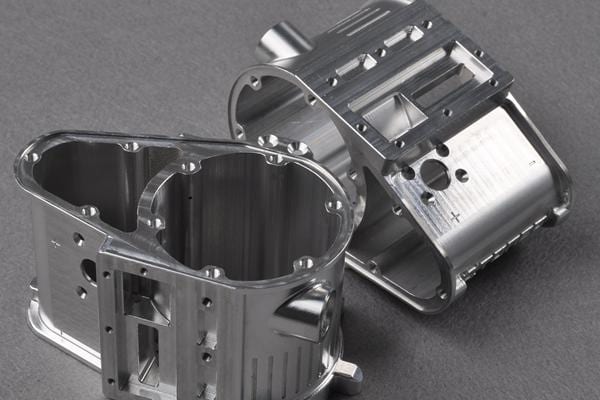
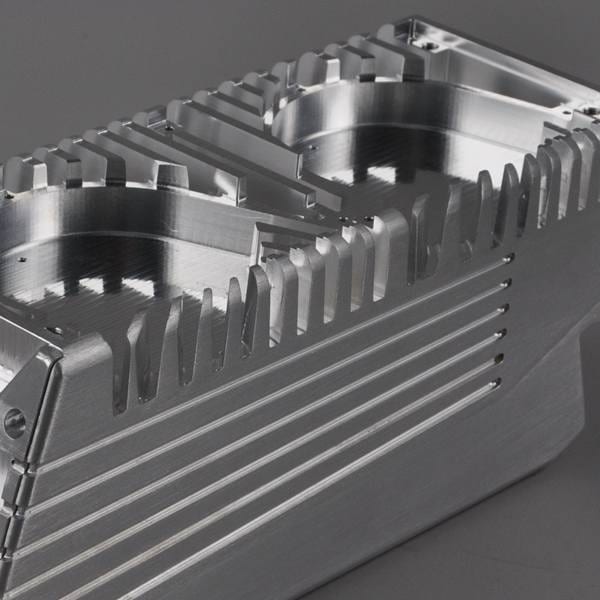
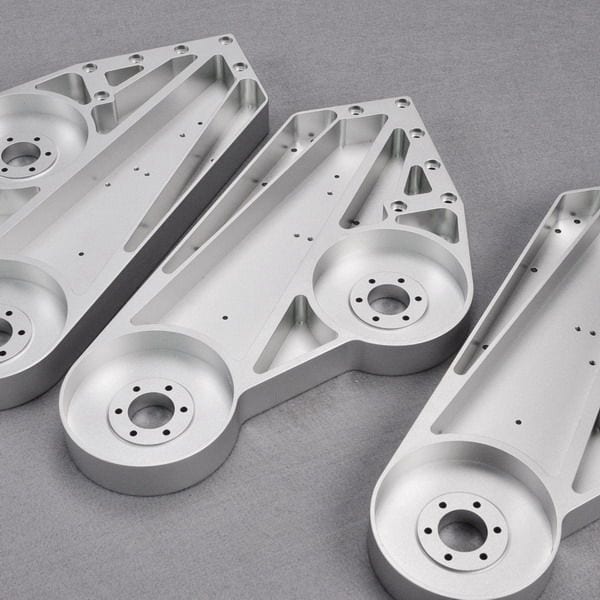
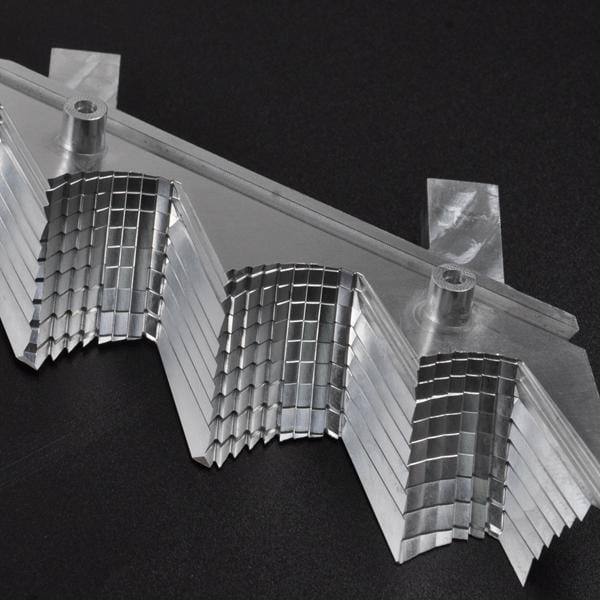
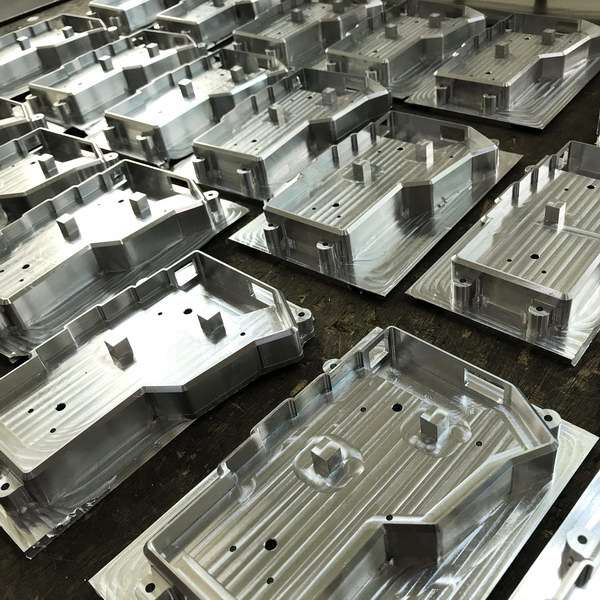
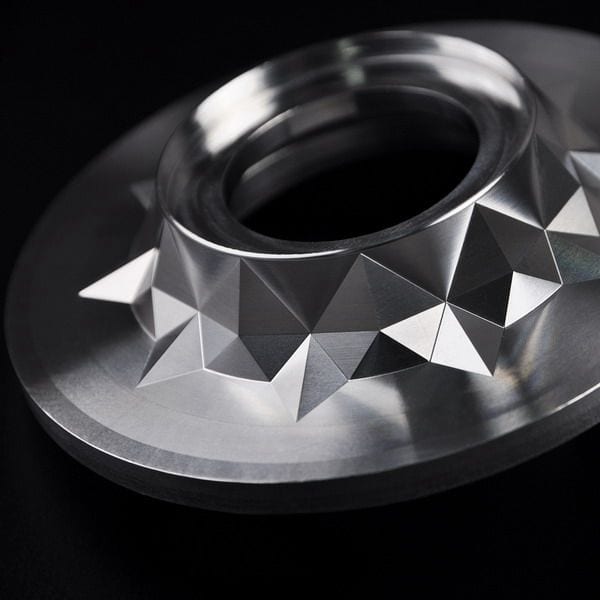
- Milling: 3-, 4- and 5-axis machining of housings, brackets, plates, cavities and complex geometry
- Turning: CNC lathe work for shafts, pins, bushings and other round parts — see CNC turning services
- Mill-turn: live tooling adds flats, holes and slots to a turned part in one setup, so no second fixturing error is introduced
- Why it matters: a part that needs both operations at two suppliers picks up a datum shift between them; running both here keeps one reference
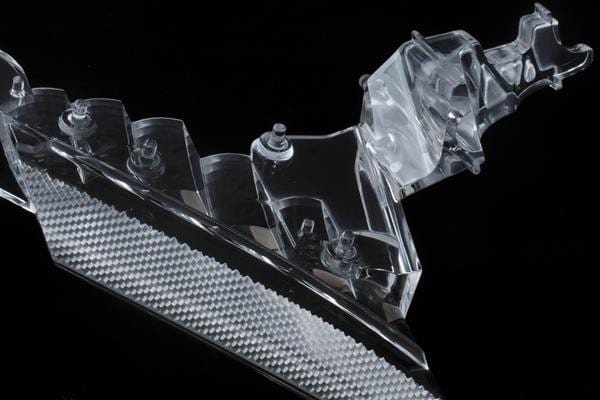
- Materials: aluminium, alloy & stainless steel, brass, titanium, engineering plastics — 30+ in total
- Tolerance: ±0.05 mm on critical features · Surface: to Ra 0.2 µm
- Volumes: no MOQ, samples in 3–5 working days
Frequently asked questions
What is the difference between CNC milling and CNC turning?
In milling the tool spins and moves against a fixed workpiece, which suits flat faces, pockets, slots and complex 3D geometry. In turning the workpiece spins against a stationary tool, which suits round features — diameters, threads, grooves. Most real parts want one as the primary process and a little of the other, which is why mill-turn exists. Read the full comparison in CNC milling vs CNC turning.
Can one part be both milled and turned?
Yes, and it usually should be if it has round features and flats. A mill-turn machine with live tooling turns the diameters and mills the flats, holes and slots in the same clamping. Splitting those operations across two setups — or worse, two suppliers — introduces a position error between the turned and milled features precisely where they need to be related.
What does custom CNC milling cost?
Cost is driven by cycle time, setups, material and tolerance, not by part count alone. The biggest lever is usually tolerance: tightening a dimension that does not need it adds inspection and scrap risk to every part. Send your CAD and we return a price and a free DFM review within 12 hours, with any cost drivers flagged.
What sizes and materials can you mill?
30+ materials including aluminium 6061/7075, alloy and stainless steel, brass, titanium and engineering plastics. Envelope depends on the machine and the fixturing a part needs — send the model and we will confirm at quotation rather than guess.
Is there a minimum order for CNC milling?
No. One prototype is a valid order, and the same programme scales to low-volume production. Samples typically run 3–5 working days.