
One-Setup 5-Axis CNC Aluminum Machining Process
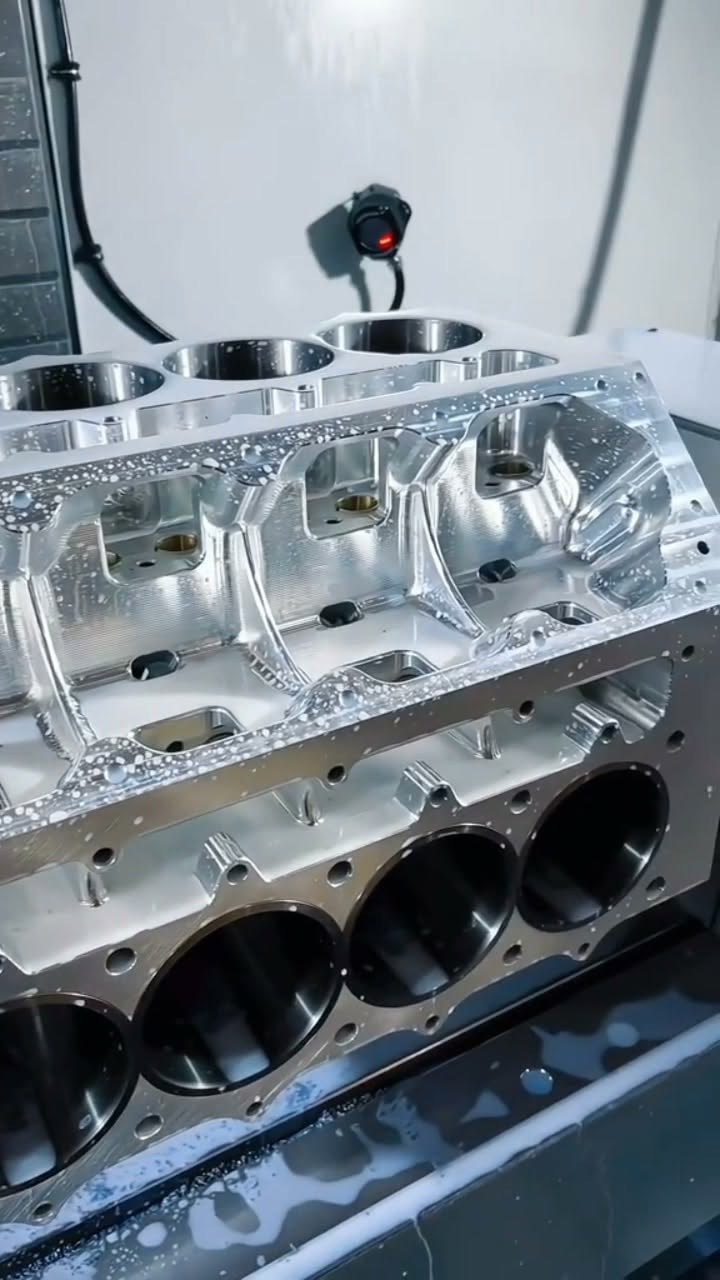
This video shows a custom aluminum component being machined across multiple faces in one 5-axis setup. For buyers, the relevant sourcing question is whether a common workholding and datum strategy can give the cutter access to the required orientations while leaving enough stock support. The drawing should define aluminum grade, functional datums, critical relationships, finish sequence and inspection evidence. Sendot's aluminum machining, CNC milling and quality pages are the closest routes for reviewing a similar custom part and its reporting needs.
Direct answer
What is one-setup 5-axis aluminum machining? It is a process plan that uses one established workholding setup to access and machine features on several orientations of an aluminum part. Buyers should still define the material grade, functional datums, multi-face relationships, finish sequence and inspection scope so the supplier can evaluate whether the geometry and clamping plan suit that route.
What the one-setup aluminum video shows
The footage shows active milling around several orientations of an aluminum workpiece while it remains in the same visible fixture. That makes the page useful for buyers evaluating multi-face access and datum relationships rather than a single flat milling operation.
Plan workholding around the final accessible faces
The setup must locate and support the stock without blocking the planned tools or leaving the finished part impossible to release. Review material-specific considerations through CNC aluminum machining and define measurement through quality assurance.
Explore similar manufacturing options
For multi-face aluminum geometry, compare the closest material, milling and inspection routes:
- CNC Aluminum Machining — Closest option for aluminum components
- CNC Milling Services — Closest process family for milled geometry
- Quality Assurance — Inspection planning and documentation
Technical specifications and sourcing inputs
| Attribute | Current video or sourcing definition | Source and scope |
|---|---|---|
| Material family | Aluminum | Original Reel description Video-specific |
| Machining route | 5-axis CNC machining | Original Reel description and footage Video-specific |
| Setup shown | One visible workholding setup | Original Reel description and footage Video-specific |
| Aluminum grade and condition | Define on the controlled drawing | Customer drawing Project input |
| Multi-face datums and tolerances | Define on the controlled drawing | Customer drawing Project input |
| Finish and inspection package | Define in RFQ or purchase order | Buyer project package Project input |
One-setup 5-axis machining vs multiple setup machining
| Decision factor | One-setup 5-axis route | Multiple setup route |
|---|---|---|
| Feature access | Approach several orientations from one setup | Reposition for additional orientations |
| Datum transfer | Retain one established setup reference | Transfer location between setups |
| Workholding | Requires access-aware clamping | Can use simpler orientation-specific fixtures |
| Best fit | Interacting multi-face geometry | Separated features or clear locating surfaces |
One-setup aluminum machining flow
- Review: Confirm part geometry, aluminum grade, datums and required faces.
- Plan workholding: Choose locating and clamping that preserve tool access and stock support.
- Program: Sequence roughing and multi-orientation finishing operations.
- Machine and finish: Run the approved setup, deburr and apply the specified finish.
- Inspect: Verify the agreed cross-face characteristics and issue records.
One-setup aluminum part buyer checklist
- Provide the 3D model and controlled drawing.
- Define the aluminum grade and stock or material condition.
- Identify functional datums and relationships spanning several faces.
- State cosmetic zones, deburring and finish sequence.
- List inspection characteristics, sampling and required report format.
Frequently asked questions
Does one setup mean every feature is finished in one operation?
Which aluminum grade should I choose?
What geometry benefits from 5-axis access?
How should multi-face relationships be inspected?
What files are needed for an aluminum part quote?
Related videos and guides
- Deep-Cavity Alloy Steel Housing Machining
- Automotive Mold-Cavity Machining
- CNC Machining From 3D Model to Metal Part
- Aluminum CNC Machining Guide
- GD&T Guide