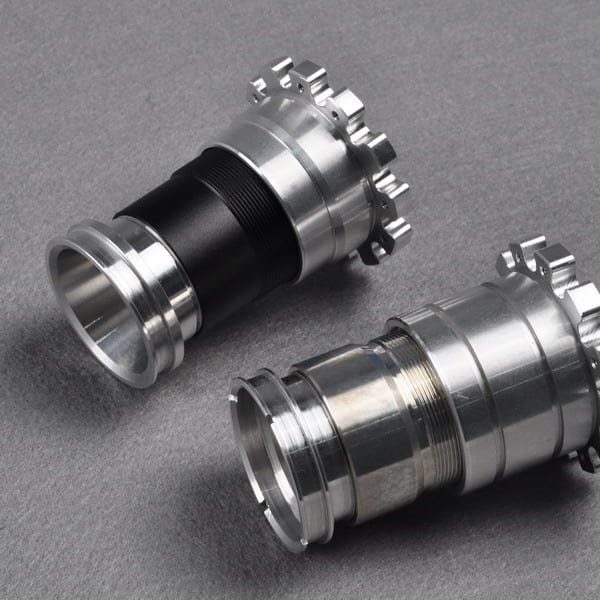
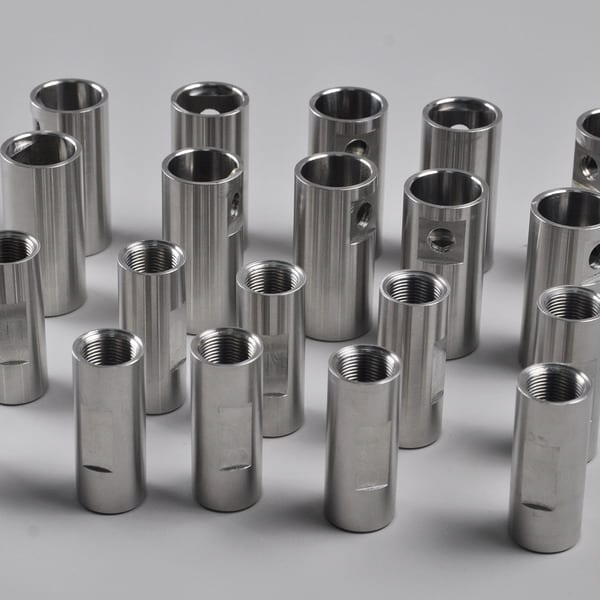
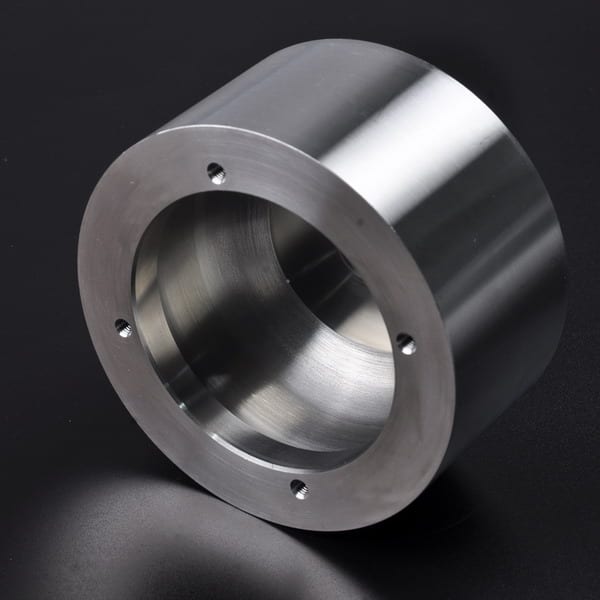
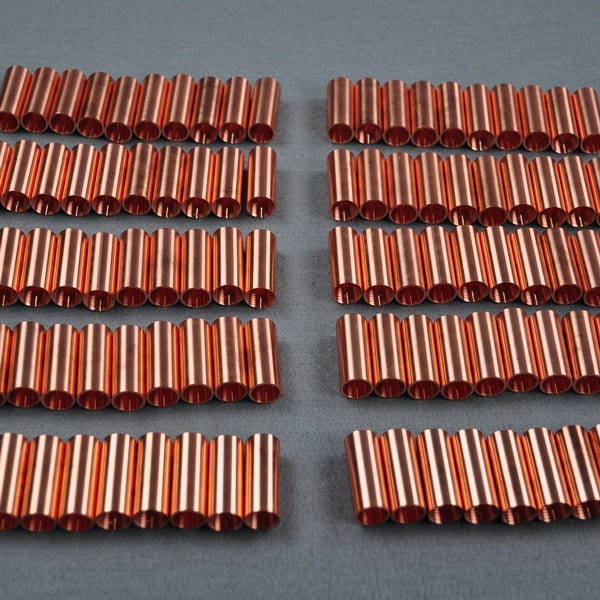
CNC turning and milling for precision turned parts
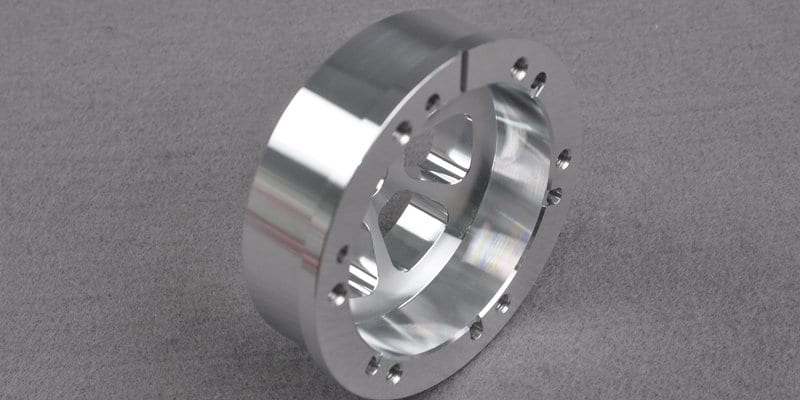
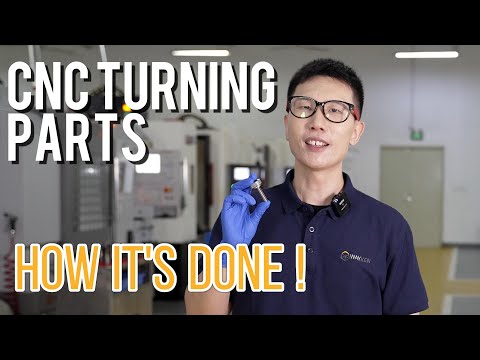
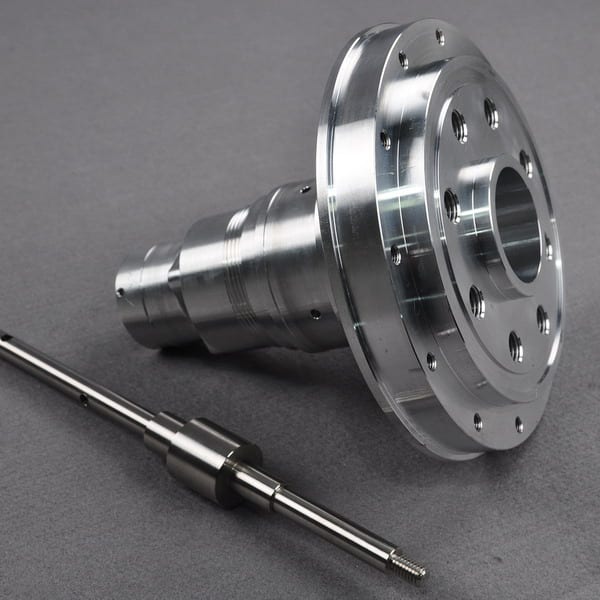
Sendot Technology provides CNC turning services for precision turned parts — CNC lathe work for shafts, pins and bushings, plus mill-turn with live tooling that adds milled features in the same clamping, holding ±0.05 mm on critical features with no minimum order and a 12-hour quote.
Turning capability
- Precision CNC turning: shafts, pins, bushings, spacers, threaded and grooved parts
- Mill-turn: live tooling cuts flats, cross-holes and slots without a second setup
- Pairs with milling: parts needing both are finished in one supply chain — see CNC milling services
- Materials: alloy & stainless steel, aluminium, brass, titanium, engineering plastics
- Tolerance: ±0.05 mm on critical features · Surface: to Ra 0.2 µm
- Volumes: no MOQ — one prototype through repeat low-volume production
Frequently asked questions
CNC turning explained — how does it work?
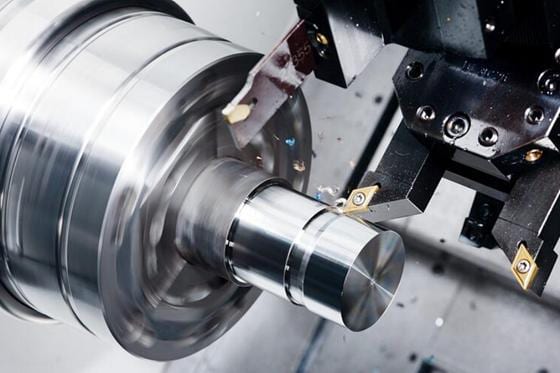
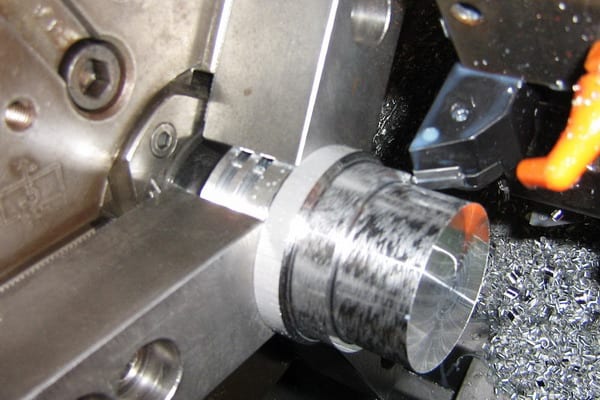
The workpiece is held in a chuck or collet and spun at speed while a stationary cutting tool is fed against it, removing material to produce a round profile. Because the part rotates about one axis, turning naturally produces concentric features — diameters, tapers, threads and grooves — far faster and more accurately than milling the same shape.
Do you offer CNC turning and milling on the same part?
Yes. Mill-turn machines with live tooling perform both in one clamping: the diameters are turned, then driven tools cut flats, cross-holes and slots without releasing the part. That keeps the milled features referenced to the turned axis, which a separate milling setup cannot guarantee.
What tolerance can you hold on turned parts?
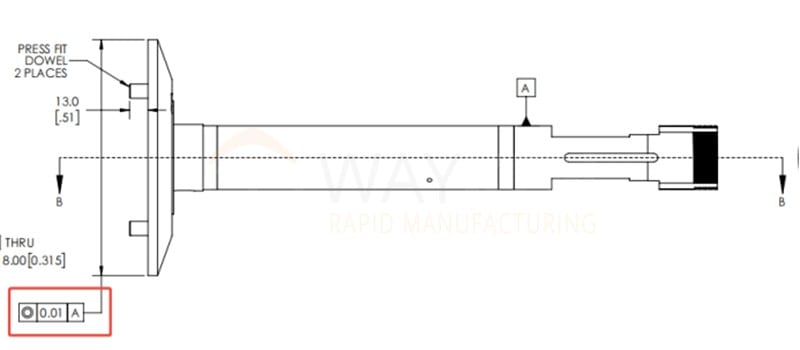
±0.05 mm on critical features, with tighter control on specific dimensions confirmed at quotation. Concentricity and runout between turned features are held by completing them in one clamping wherever the geometry allows.
What is the minimum order for CNC turned parts?
None. A single turned prototype is a valid order and the same setup scales to low-volume production. Samples typically run 3–5 working days.
Which materials do you turn?
Alloy and stainless steel, aluminium, brass, titanium and engineering plastics such as POM, PEEK and PTFE — 30+ materials in total. Tell us the duty and we will suggest options in the DFM review.