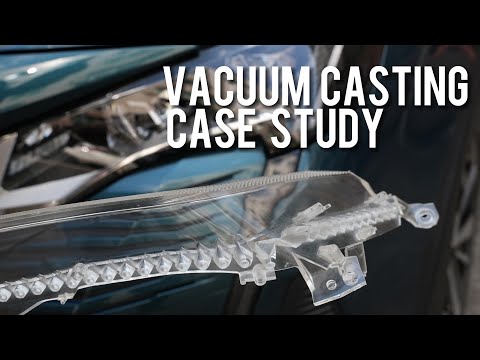
Vacuum Casting
Vacuum casting is a prototype manufacturing process that uses silicone molds to quickly create urethane casting parts for the production of small batches of functional parts.
What is Vacuum Casting?
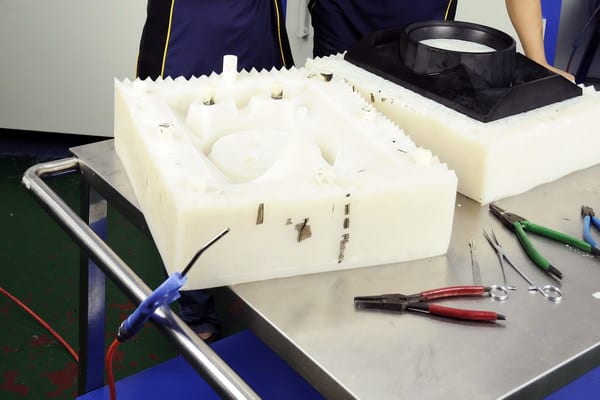
Vacuum casting (also known as urethane casting) is an economical alternative to low-volume injection molding of plastic parts and can be used to closely simulate final molded parts or finished products. Generally, molds are made from silicone rubber and use CNC machining or SLA part as a master pattern. These molds duplicate intricate details and textures and give consistent finishes from one part to the next.
You can get production-like results including mechanical traits, wall thickness, colors, and surface finishes.
Advantages of Vacuum Casting
Evaluate this route for plastic-like prototype or repeat low-volume requirements defined by the project.
Provide color, texture, visible-surface and acceptance references where they matter.
State assembly interfaces and material-property priorities for project review.
Material intent, quantity, finish and inspection scope are confirmed against the drawing and order.
Vacuum Casting Service
Fast Short-Run Production Option For Low Volume Plastic Prototype Parts
Compare a cast route with CNC machining, 3D printing, rapid tooling or injection molding against the released design and project requirements.
project-specific quotes On Vacuum Casting ServiceHow Vacuum Casting Works
The vacuum casting process has three steps: master pattern, molding, and casting.
Step 1. Master Pattern Making
The master-pattern route and visible surfaces should be reviewed against controlled CAD, drawing, appearance references and critical dimensions. Any process recommendation is subject to project review; the buyer retains design-release approval.
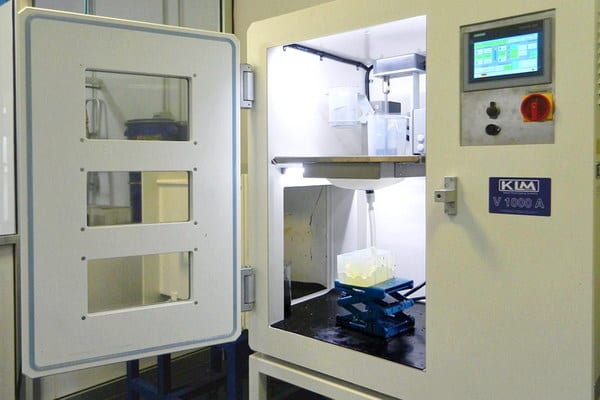
Step 2. Mold and casting-route review
Review the master pattern, material intent, visible surfaces, quantity range and acceptance criteria before a project-specific route is confirmed.
Step 3. Cast, inspect and review
Inspect against the drawing and agreed visual or dimensional requirements, then re-review the route when the revision, material, quantity, finish or acceptance plan changes.
Material and finish definition
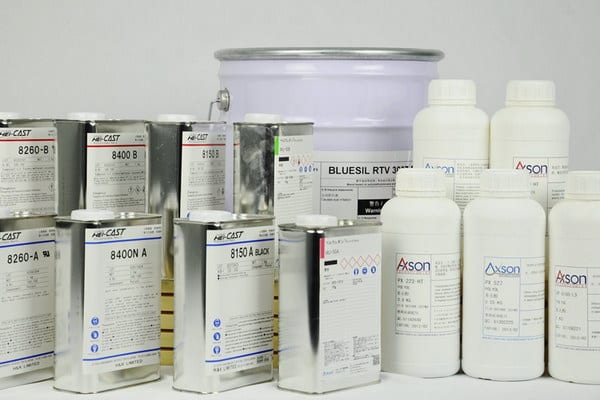
State material intent, functional or appearance priorities, color, texture and finish requirements in the RFQ. Availability and suitability are confirmed against the drawing and project review.
Project requirements to confirm
Material intent
Define required material behavior and permitted alternatives in the RFQ.
Appearance
Provide color, texture, visible-surface and acceptance references.
Geometry
Identify critical dimensions and interfaces for review.
Quantity
Share initial and expected repeat quantity ranges; route fit is confirmed per project.
Vacuum Casting Samples
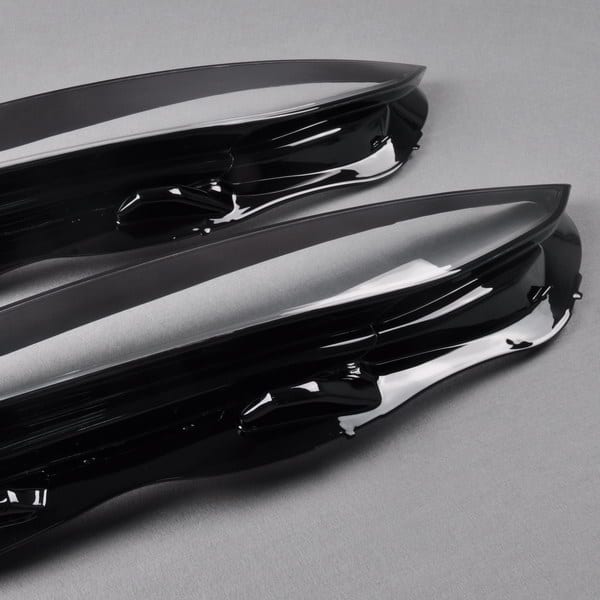 Cast urethane
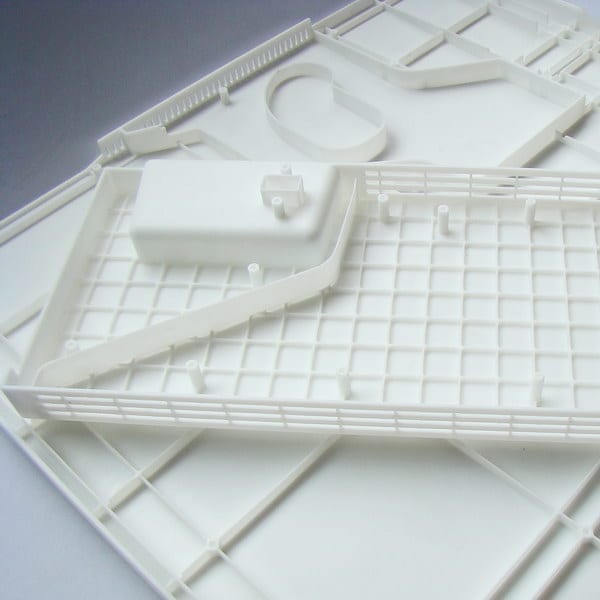 Casting polyurethane
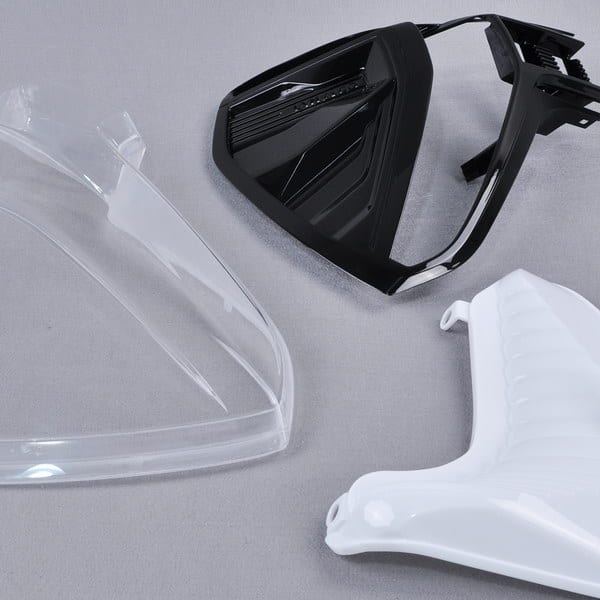 Casting parts
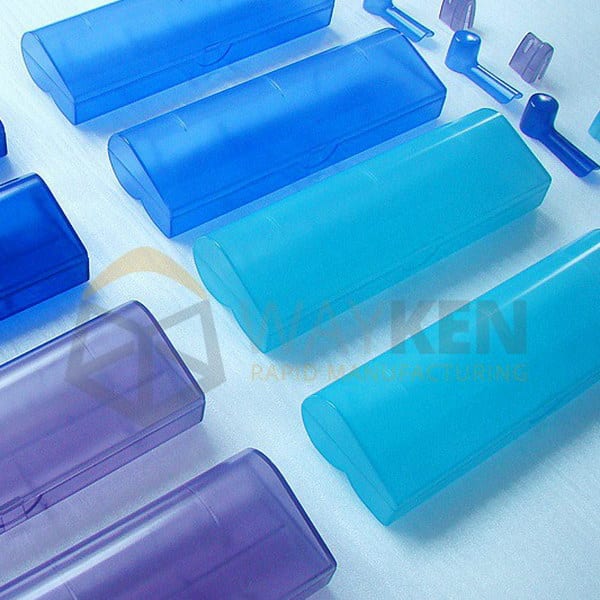 Small series of plastic prototype parts
The Applications of Vacuum Casting
Vacuum casting is a great method to manufacture low-volume production runs for functional prototypes and plastic parts and helps you strike the right balance between high-quality, end-use parts and production lead-time.
Low Volume Manufacturing / Short Production Runs
Consider the route where a tooling-based plastic-part approach is being evaluated for the current prototype or repeat low-volume requirement. Confirm design stability, material intent, quantity and acceptance plan before selection.
Aesthetic Models / Color & Texture Studies
For appearance studies, define approved color, texture, visible surfaces and the evaluation method. These inputs are project-specific rather than default outcomes.
Engineering Verification / Functional Testing
For engineering verification, define the intended test, material requirements, critical interfaces and acceptance criteria. The buyer controls final design and validation approval.
Marketing Ready / Display Models
For display or presentation models, identify viewing surfaces, handling requirements and appearance references for project review.
How Vacuum Casting Benefits Your Project
We’d like to hear about your projects and see how we can help.
Request a Quote