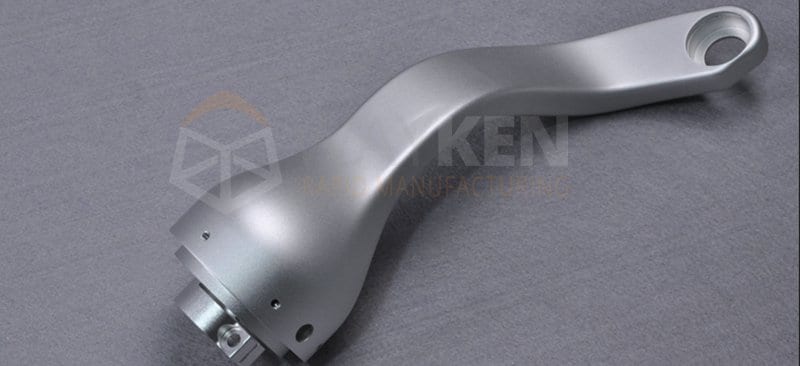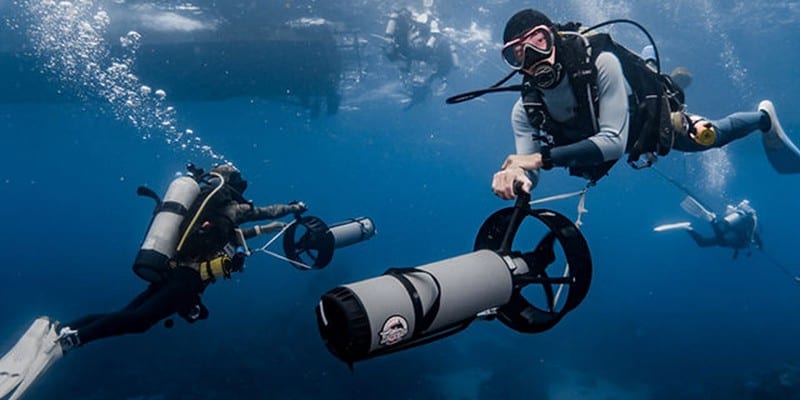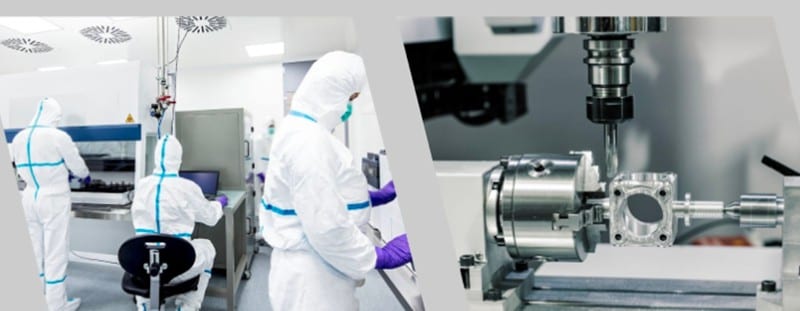
Functional Prototype Services for Testing
Functional prototypes support fit, assembly and test work before an engineering-verification or pilot release. Share CAD, drawing revision, material intent, finish and inspection needs so the build can be reviewed against the test objective.
What is Functional Prototype
Test the Functionality of Parts in Real-World Environments
A functional prototype is the most basic working prototype built to validate a product design. Additionally, it is an integral part of the assembly, testing, piloting, and market research process that evaluates design, materials, strength, tolerances, assembly, work mechanisms, manufacturability. Manufactured with several prototyping techniques and engineering-grade materials, functional prototypes are alternatives to finished products, allowing examination and testing on form, fitness, and functionality under extreme working conditions to improve designs.
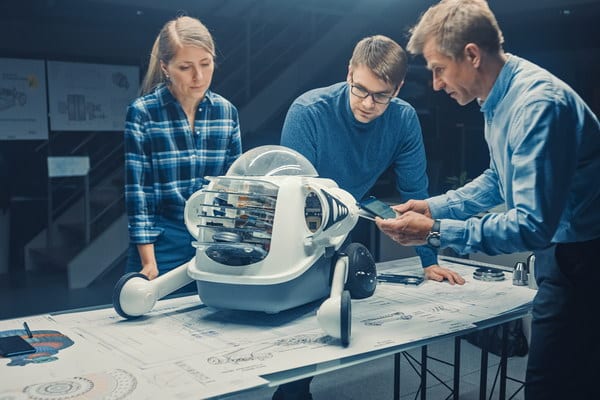
Application of Functional Prototype
Functional Prototype Used to Simulate the Final Product
- Create a functional prototype using production-grade materials to realistically simulate the final product’s mechanical function, chemical resistance, and thermal properties, indicating its performance before production.
- Create a working prototype for complex assemblies to check a component’s form and fitness, and ensure accuracy of pre-assembled parts.
- Produce high-precision functional prototypes to measure, compare, or check for design errors, dimensional variances, and acceptable tolerances.
- Functional optical prototyping to support engineering tests for optical development, including light transmission and refractive index.
- Add metal inserts, movable hinges, simulated over-moulding processes, and more, to functional prototype parts to mimic and verify the finished product functionality.
- Realistic functional prototypes aid the presentation of the final product’s aesthetics and functionality. It provides design scalability.
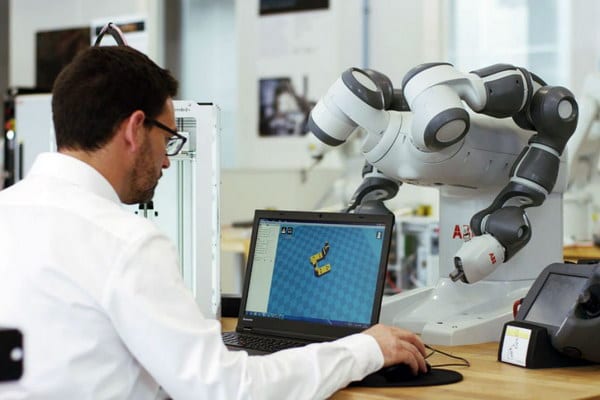
Facilitates Product Development
Reap the Rewards from a Functional Prototype
- Facilitate design testing, evaluation, and improvement in the product development process.
- Validate product performance to ensure quality standards.
- Identify and eliminate potential problems before investing in expensive production tooling.
- Ensure manufacturing feasibility and timely product delivery.
- Share ideas with stakeholders on time to showcase product value to customers and potential investors.
- Patent inventions to protect intellectual property
Functional Prototyping Technology
With All Our Power to Ensure the Success of Your Project
A functional prototype can be planned around a defined test, assembly or handling question. Manufacturing feedback can identify process considerations from the files provided; the buyer remains responsible for approving the final design, test method and acceptance criteria.
As such, you gain full design validation in functional testing and confidently implement full production. Functional prototype fabrication techniques include CNC machining, vacuum re-molding, rapid aluminum molding, etc.
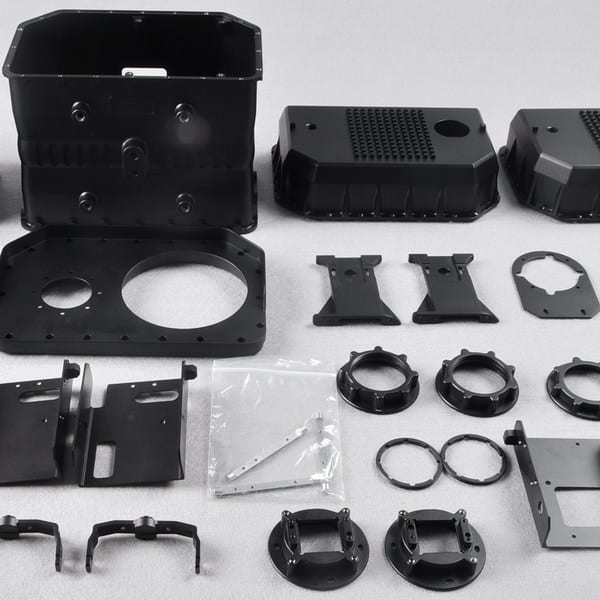
CNC Machining
CNC machining provides an ideal way to manufacture functional prototype. It offers a wide selection of engineering grade materials to give “functional prototypes” the right material properties, alongside precise dimensional tolerances and surface finish. Professional surface finishing gives the final product the top-notch aesthetics and texture.
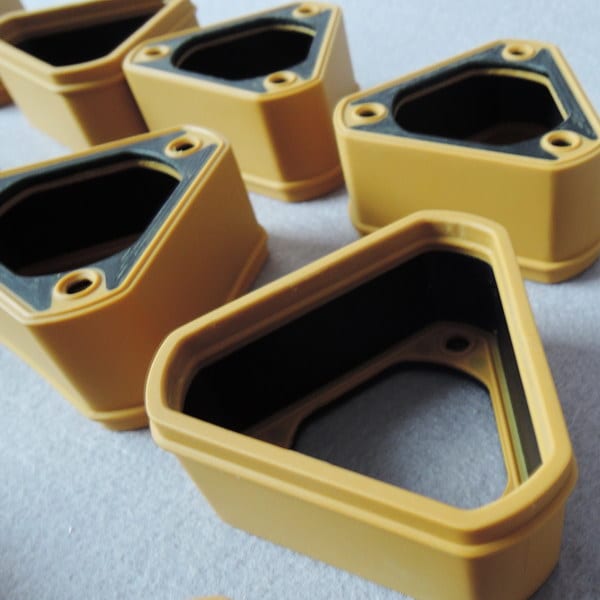
Vacuum Casting
Vacuum casting can be considered for short prototype or pilot runs when the geometry, material intent, appearance needs and test objective suit the process. Confirm the selected material and acceptance requirements before release.
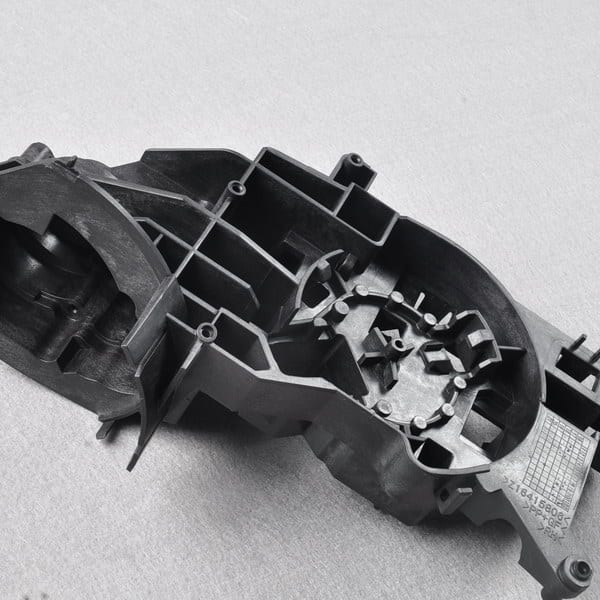
Rapid Tooling in Aluminum Molds
Rapid tooling can be reviewed when a design is sufficiently stable for a tooling discussion and the project needs repeated molded parts. Tooling approach, validation scope and quantity are confirmed per project.
Ready to Start Your Functional Prototype Project?
Upload CAD, a controlled drawing where available, material intent, quantity range, finish and inspection needs. Sendot can review manufacturing options; the buyer approves the final design and test release.
Functional prototype: define the question the build must answer
A functional prototype is for a defined fit, assembly, handling or test question. It differs from engineering verification, which requires a controlled revision and a documented verification plan, and from low-volume manufacturing, which plans a pilot or repeat release.
RFQ inputs for a functional prototype
- CAD and any 2D drawing, plus the current revision status
- The fit, assembly or test objective and the interfaces that matter
- Material intent, surface finish and quantity range
- Critical dimensions, inspection needs and requested documentation
- BOM context where the part must work with other components
Review CNC machining, urethane vacuum casting, rapid tooling, quality planning, this prototype CNC case study, and the DFM video. Sendot can provide manufacturing feedback; the buyer approves the final design and test release.