Plastic Machining
Need some custom plastic prototypes and end-use production parts? We offer CNC plastic machining services and manufacture high-quality machined plastic parts for global customers at competitive prices.
- Home
- Technologies
- Online Custom CNC Machining Services
- Plastic Machining
Plastic Machining and Manufacturing Services
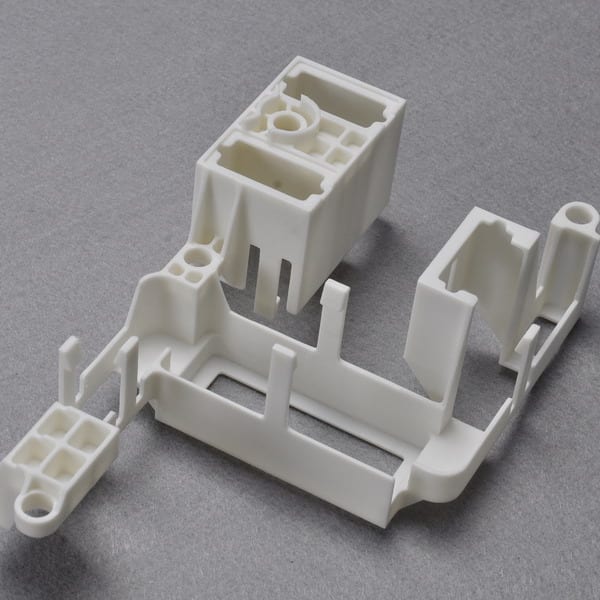
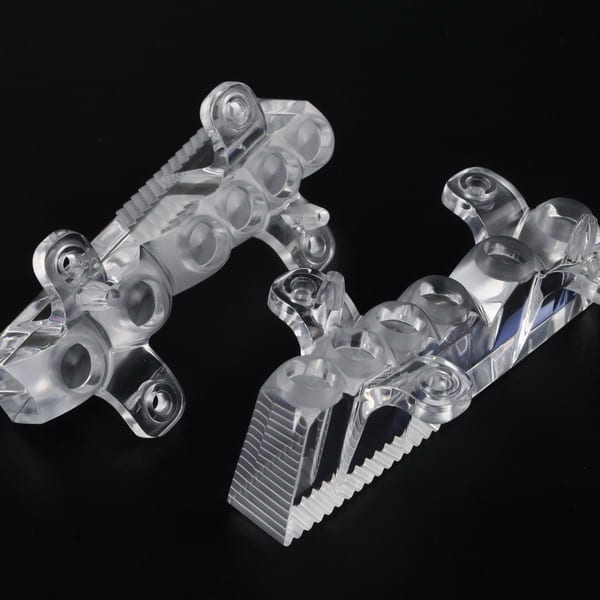
CNC plastic machining comes in handy when non-printable materials are needed. With this technology, we can not only make plastic concept models and precise functional components but also provide complete solutions for the production needs of low-volume machining.
We are able to manufacture high-quality CNC plastic machined parts from over 30 different materials, use processes such as 5-axis CNC machining methods to create high-performance precision machining of engineering plastics. Our knowledge of plastic materials allows us to customize your CNC plastic parts according to your application’s requirements.
Why Choose CNC Plastic Machining at Sendot Technology
Plastic Materials We Use To Machined Plastic Parts
Sendot Technology’s state-of-the-art plastics machine shop can carry out services, including milling, turning, drilling, thread cutting. We are capable of creating high-performance plastics of various materials in sheets, round rods, and more. Some of the plastic materials we use at Sendot Technology include.
Advantages of CNC Plastic Machining
Our experience in plastic part design and machining allows us to recognize the specific requirements of various industries and the ability to take on any plastic machining challenge. Equipped with state-of-the-art CNC machining equipment, our team of experts is capable of performing many different types of machining processes to execute the best manufacturing plan for your plastic parts.
CNC plastic machining offers a level of precision that is not available with injection molding or 3D printing. Machined plastic parts are also free from 3D printer layer lines and seams from injection molding parting lines which alter the appearance of the final part.
During prototype or low-volume production, we don’t require molds with plastic machining. This process allows the designers to create parts without molds, unlike other methods. The process is computer-controlled and only requires a CAD file with the design.
Parts can be machined directly from plastic sheet or plastic rod, so it’s easy for the engineering team to make modifications to the design during the production phase with no need to make any new tooling, and there is little cost involved in upgrading the parts.
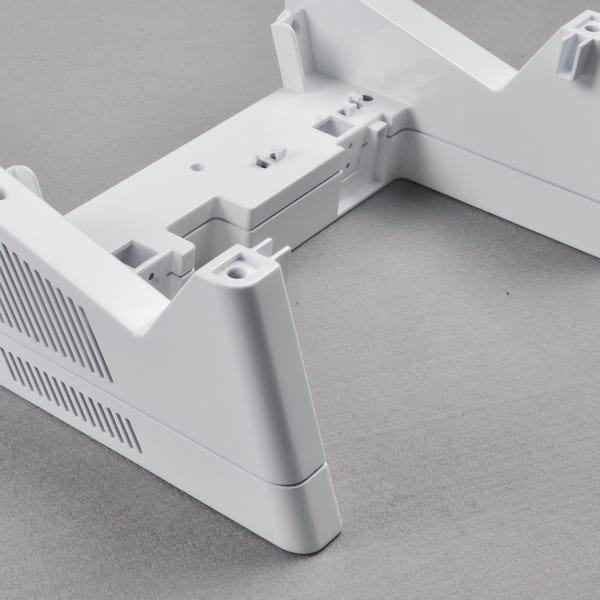
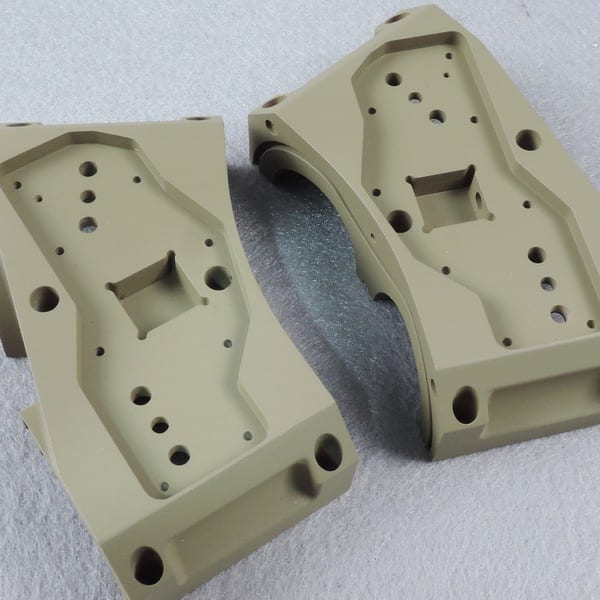
CNC machines are computer controlled and can be kept running 24/7 for optimum efficiency, quality, and process control throughout the production process, from programming to machining to finishing.
A variety of engineering-grade plastics are common structural materials for machined parts and products due to their excellent properties, including superior strength-to-weight ratios, excellent insulation properties, greater corrosion, chemical and wear resistance, ability to withstand high temperatures, and more.
Tips for Machining CNC Plastic Parts
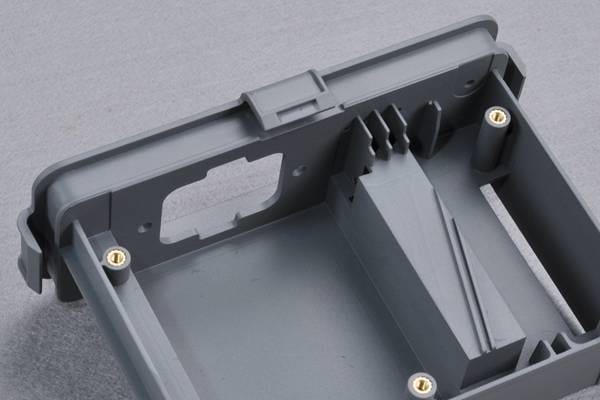
When you set up your CNC plastic blocks, be sure to remember. Plastic isn’t metal. You can easily leave a large mark on the surface if you clamp the blank with too much force. Actually, if you apply too much force, the part will probably just crack.
Choosing the best cutting tools for plastic parts is a complex job. The reason for that is that plastic as well as composite materials have a very variable composition. Some plastics are strengthened with hard carbide particles or have some additives that enhance flexibility, thermal resistance, or some other parameter. All of that changes the way a plastic reacts to machining. So, depending on the characteristics of the different plastics, you should select the right cut tool for the machined plastic part.
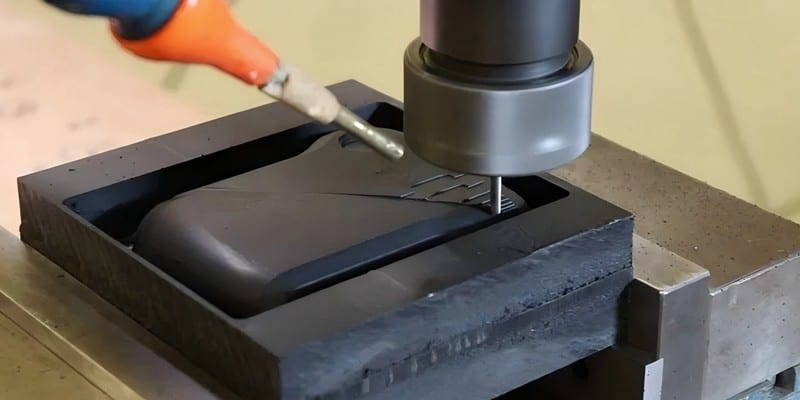
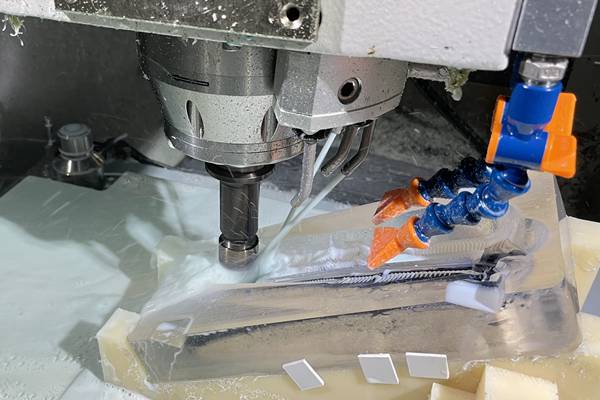
Let’s look at the choice for plastic cutting processes by using the example of the CNC Milling Plastic case. The main issue that you have to look out for is excessive friction and plastic deformation of the part. To avoid these issues, always keep the cutters sharp in the cutting process. In cases, when the material you use isn’t rigid enough, freeze it. However, You should be careful because plastic becomes hard and brittle under low temperatures.
In order to prevent the chip from melting into the CNC plastic part, you’ll need to keep that tool moving and prevent it from staying in one place for too long. Remove the chip as fast as you can. So, the feeds for plastic processing must be big, aggressive even. And with bigger feed rate parameters, the spindle speeds must be fast as well. The approximate estimation is about 3 times as fast as aluminum feeds and a corresponding cutting speed.
Why Choose CNC Plastic Over 3D Printing
Applications of CNC Plastic machining
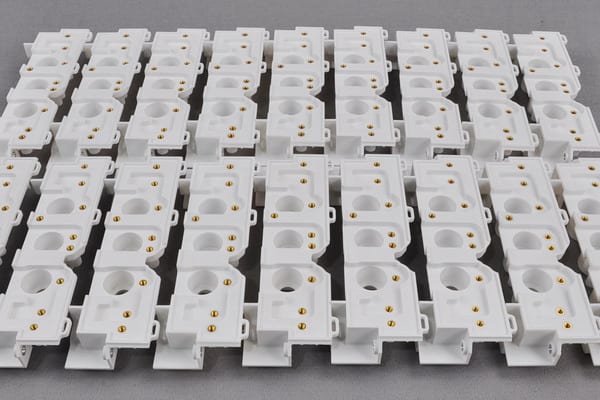
Our experienced team of manufacturing specialists, machinists, and engineers deliver high quality CNC plastic parts within your timeline. Whether you’re seeking a one-off prototype or a low-volume production run, we’ll work with you to turn your design into a reality.