Low-Volume Manufacturing Services
Low-volume manufacturing helps teams move from an approved prototype to a pilot build or repeat order without committing to dedicated production tooling too early. Send CAD, drawing revision, quantity range, material, finish and inspection needs so the manufacturing route can be reviewed for the project.
What is Low-Volume Manufacturing?
Low-volume manufacturing is a controlled stage between prototype work and repeat production. Quantity alone does not determine the process: design stability, material, finish, critical features, inspection needs and expected reorder pattern should be reviewed together before a process or tooling approach is selected.
Effective and Efficient Low Volume Production & Manufacturing
As product lifecycle shrink and new product development cycles shorten, flexible innovation and time-to-market remain critical. To meet customization and diversity demands, production lines gravitate towards low-volume manufacturing.
Advantages of Low Volume Manufacturing
- More flexible design iterations
Creating low volume manufacturing allows for more efficient verification of design, engineering and manufacturability. - Earlier process decisions
A pilot or repeat-order review can clarify whether a drawing-controlled process, tooling approach or further prototype iteration fits the current release. - Closing the gap to production
Low volume trial runs bridge the gap between prototype and production, timely identifying and resolving any issues before moving to mass production. - Reduced time to market faster
Low volume manufacturing services optimize the link between production to supply chain and consumer, providing rapid time-to-market for new products.
Why Choose Sendot Technology for Low Volume Manufacturing?
A Wide Range of Low Volume Manufacturing Process Options
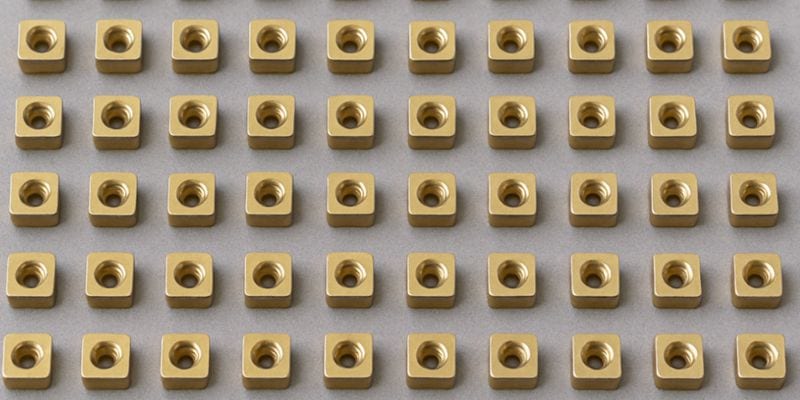
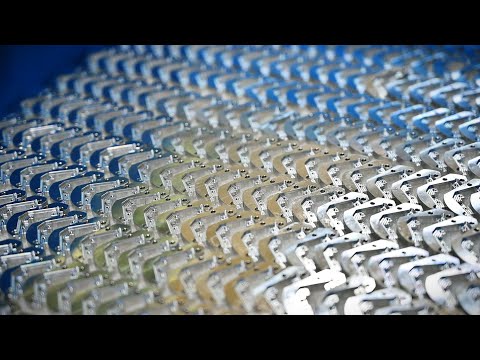
We offer a wide range of manufacturing services for low volume production needs of metal and plastic parts. Our services include CNC machining, plastic injection molding, metal casting, sheet metal fabrication and more, as well as one-stop surface finishing options.
Drawing and inspection alignment
Critical dimensions, acceptance criteria and any requested documentation should be defined in the drawing, inspection plan or order requirements before quotation. The buyer retains final approval of the design and requirements.
Leverage the Complete Resources of Our Chinese Supply Chain
Our extensive manufacturing technology, experience, and ability to consolidate resources can meet your machining needs. We offer low-volume manufacturing processes via top-notch facilities to undertake any project requirements.
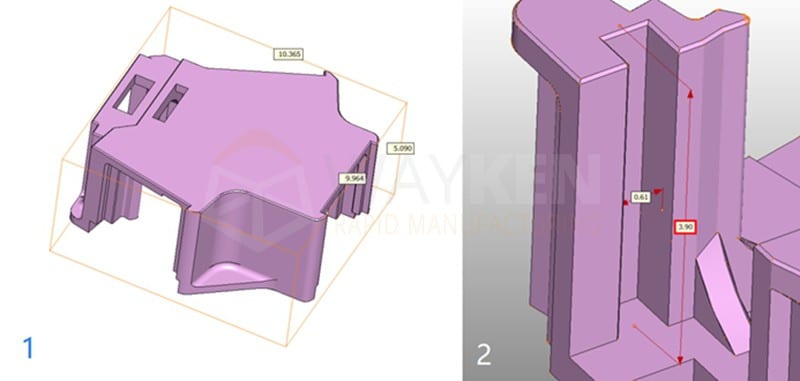
Project-specific DFM and quoting
Supplier feedback can identify manufacturability questions and available options. It does not replace the buyer’s final design approval; timing, pricing, quantity and process suitability are confirmed only after the project inputs are reviewed.
Our Low Volume Manufacturing Capabilities
Let Sendot Technology Handle All Your Custom Manufacturing Needs
Sendot Technology is committed to providing high-quality custom parts that strictly meet your design requirements and specifications via vast low-volume manufacturing services, including CNC machining, rapid injection molding, vacuum casting, metal casting, sheet metal, press forging, aluminum extrusion, and more. We continue to enhance production management, process improvement, supply chain collaboration, and cost control to continuously improve customer satisfaction with fast, efficient, and competitive pricing.
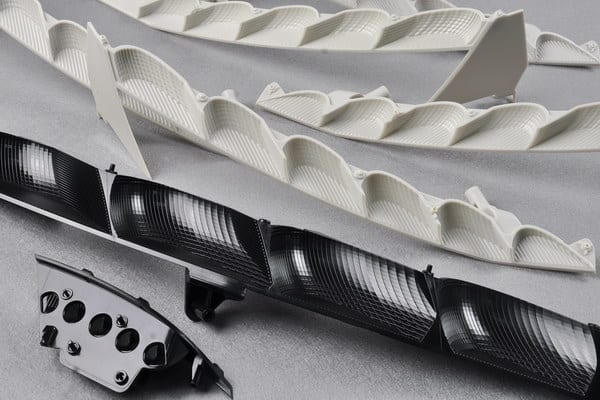
Rapid Injection Molding
We combine traditional injection mold machining methods with rapid mold manufacturing, ranging from voluminous test parts to on-demand molded parts. We handle the transition from small to mass production runs.
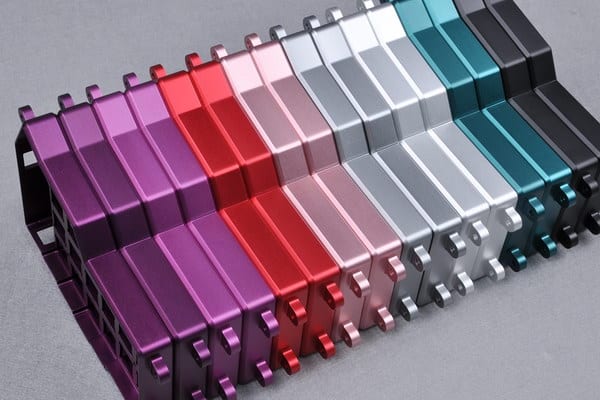
Low Volume CNC Machining
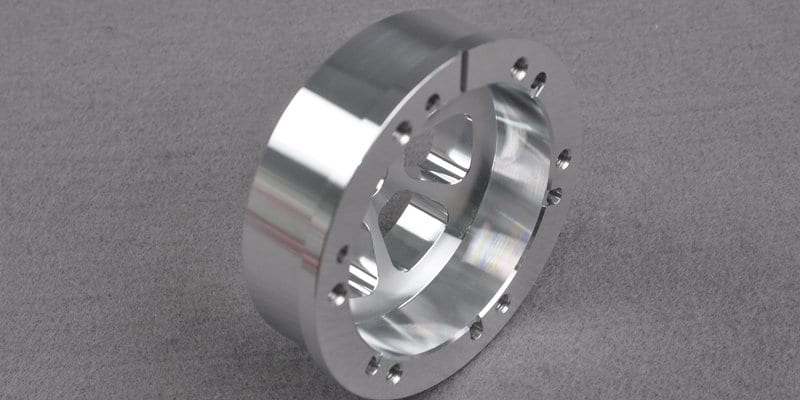
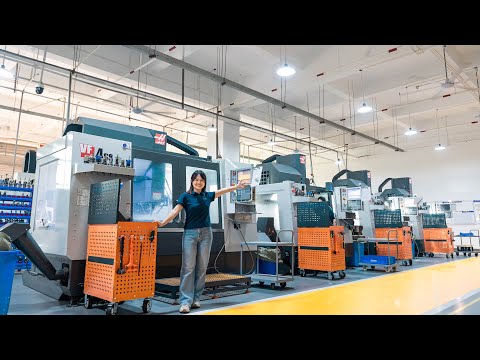
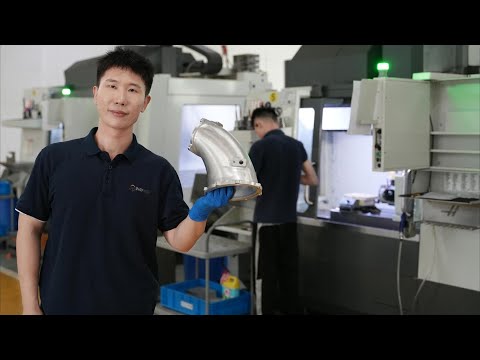
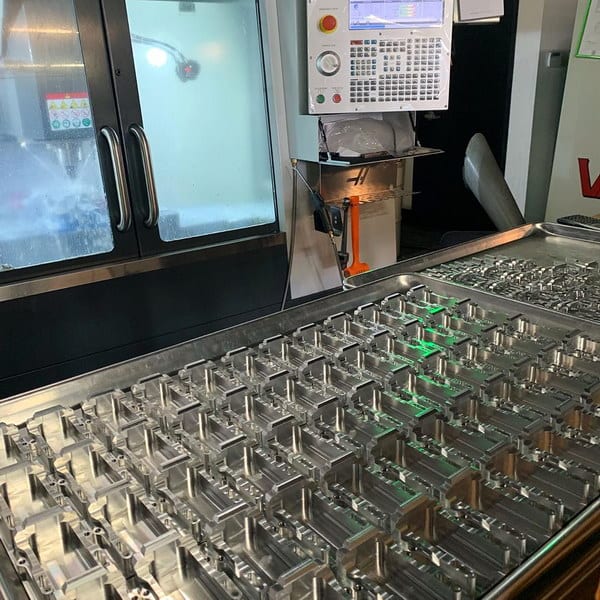
As a specialized manufacturer of CNC machining, we are equipped with advanced 3-axis, 4-axis, and 5-axis CNC machining centers to provide complex geometries and customized low volume CNC machining for vast manufacturing requirements.
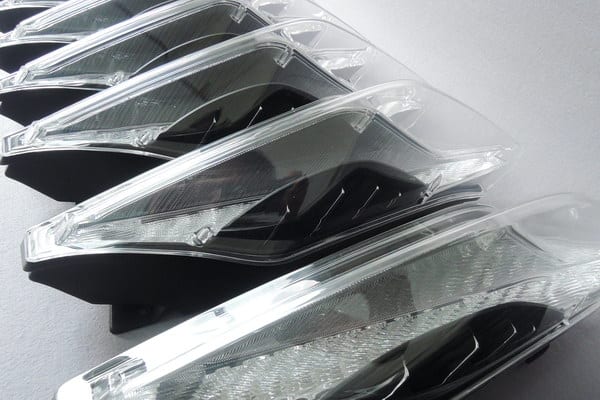
Urethane Vacuum Casting
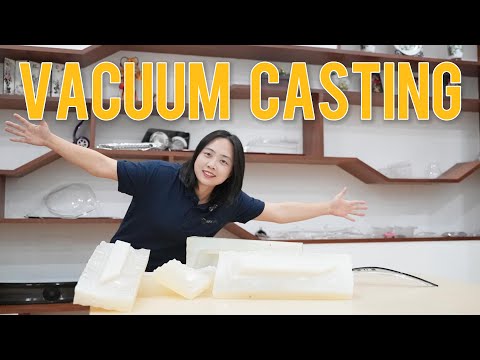
Silicone molds are made using additive manufacturing technology or CNC-machined masters to produce high-quality plastic-like polyurethane parts in low-volume for functional testing and pre-production evaluation.
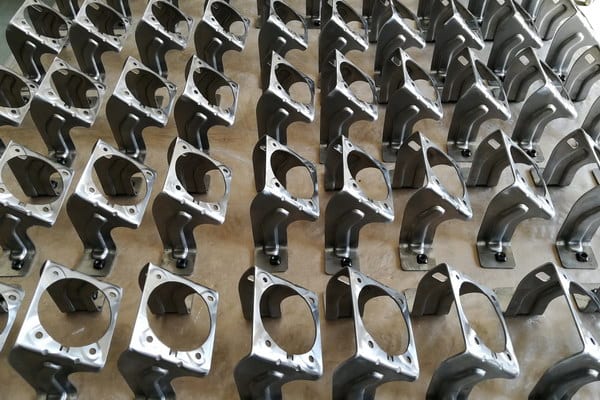
Sheet Metal Fabrication
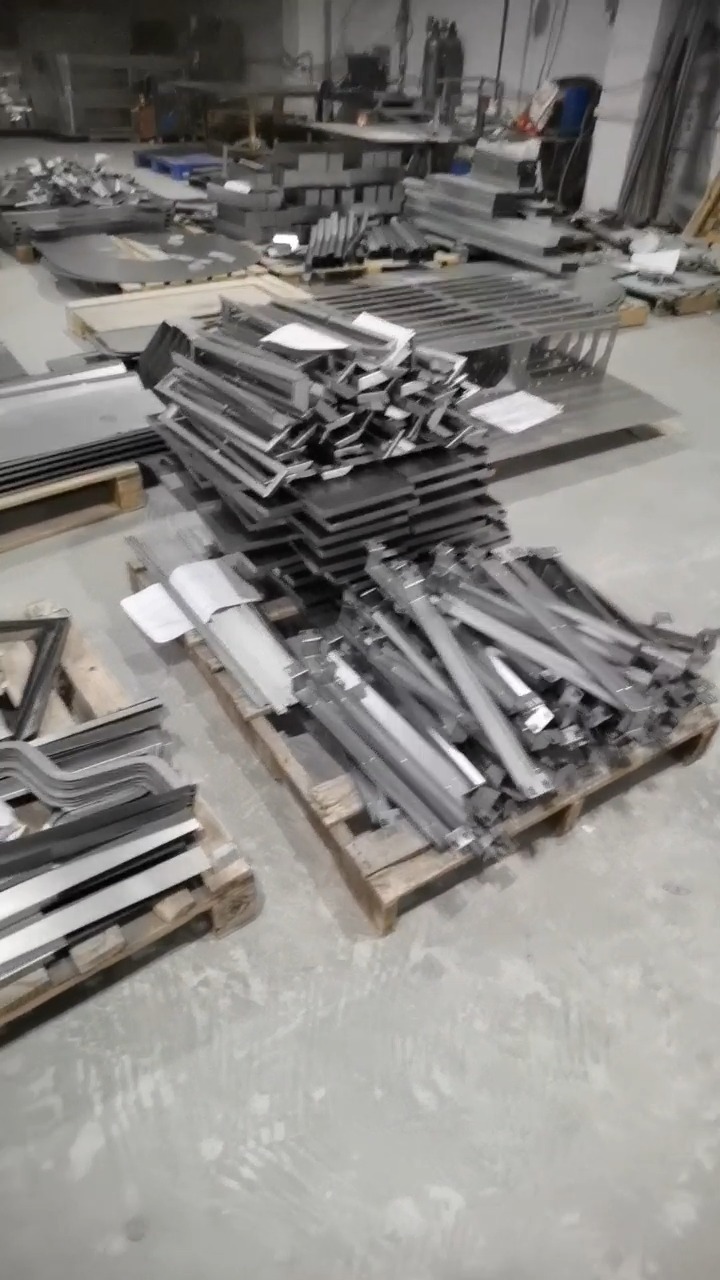
Our fabrication capabilities include stainless steel, steel, aluminum, brass, red brass, galvanized materials, and fabrication of frames, equipment panels, enclosures, chassis, brackets, and more. We cater to sheet metal fabrication, from low-volume prototypes to high-volume production.
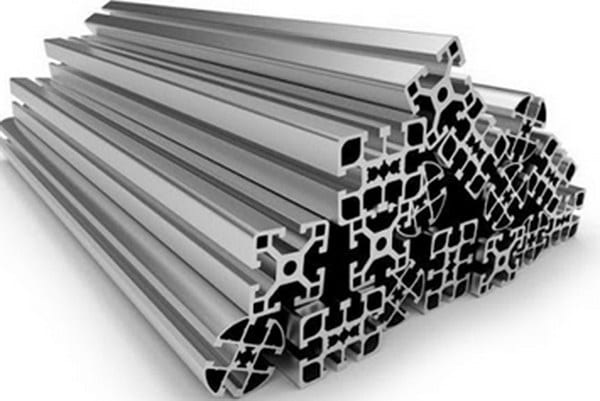
Aluminum Extrusion
Aluminum extrusion is suitable for manufacturing aluminium parts or profiles with consistent cross-sectional shape, usually using aluminum alloy 6061 and 6063 material extrusion. It also supplements CNC post-processing, including drilling, tapping, etc.
Rapid Metal Casting
We can provide pressure die-casting for aluminum, magnesium, and zinc, alongside investment casting for steel and copper. Additionally, we offer post-CNC casting finishing and flexible production methods for low-volume metal casting project requirements.
Ready to Start Your Low-Volume Manufacturing Project?
Upload CAD, a controlled 2D drawing where available, quantity range, material, finish and inspection requirements. Sendot can review manufacturing options; the buyer approves the final design and release.
Choose the release stage before choosing the process
Low-volume manufacturing is most useful after the team can state what is stable, what is still being tested and what a repeat order must control. It is not defined by one universal quantity or order quantity.
| Release stage | Design status | Buyer focus | Manufacturing review |
|---|---|---|---|
| Prototype | Learning and iteration | Test objective and critical interfaces | Process options and DFM questions |
| Pilot build | Controlled candidate revision | Quantity range, material, finish and inspection plan | Route, tooling discussion and documentation alignment |
| Repeat low-volume order | Released revision with managed changes | Reorder triggers and acceptance requirements | Repeatability, change review and project-specific quote |
What to include in a low-volume RFQ
- CAD model and a controlled 2D drawing where available
- Part number, revision status and BOM context for assemblies
- Quantity range and whether the order is prototype, pilot or a repeat build
- Material, surface finish and cosmetic requirements
- Critical dimensions, inspection requirements and requested documentation
Sendot can recommend manufacturing options from the project inputs. The buyer remains responsible for final design, compliance and release approval. Explore CNC machining, rapid tooling, quality planning, this low-volume CNC case study, and the low-volume production video.