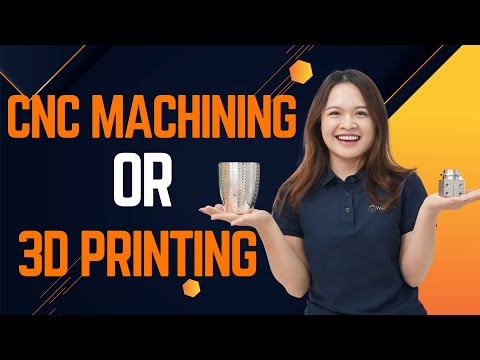
3D Printing Services
Evaluate 3D printing for prototype parts when the current decision prioritizes design learning, complex geometry or low tooling exposure. Process fit is confirmed against the drawing, intended use, material priorities, quantity and acceptance criteria.
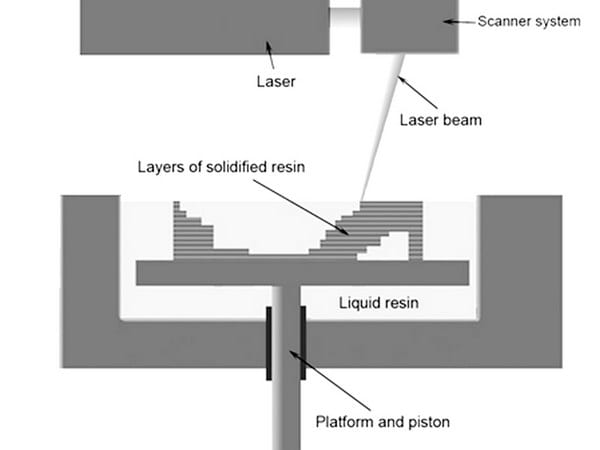
Resin-based route review
For a resin-based additive route, define geometry, visible surfaces, post-processing needs and the properties the prototype must represent. Material suitability is confirmed per project.
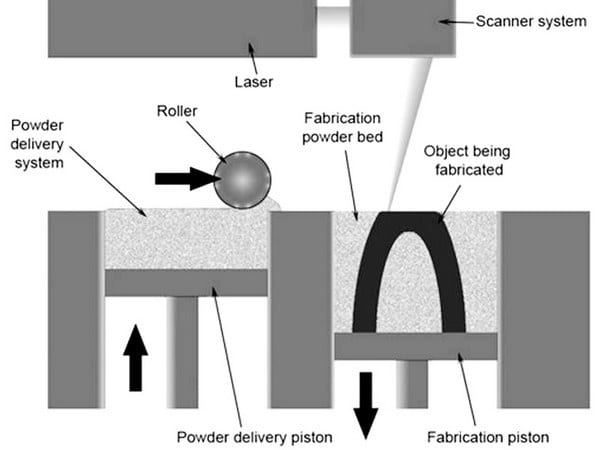
Powder-based route review
For a powder-based additive route, define the intended use, critical interfaces, material priorities, quantity and inspection requirements. Do not infer production equivalence without project validation.
Define the prototype objective
State whether the part must support a geometry, fit, appearance, assembly or functional learning decision.
Review the part definition
Submit CAD, drawing, critical interfaces, material priorities, post-processing needs and acceptance criteria.
Confirm the project route
Process, schedule, quantity and inspection requirements are confirmed for the specific order.
Ready to Start Making 3D Printed Prototypes?
Upload CAD for a project-specific 3D printing review.
Include the current revision, prototype objective, material priorities, quantity, visible surfaces and inspection needs. A route can then be reviewed against your actual requirements.
What is SLA 3D Printing?
SLA 3D Printing uses an ultraviolet laser that draws on the surface of liquid thermoset resin to create thousands of thin layers until final parts are formed. A wide selection of materials, extremely high feature resolutions, and quality surface finishes are possible with SLA.
How Does SLA 3D Printing Work?
- Import the 3D model into slicing software and add support structures when needed.
- Send the STL file to the SLA machine with the tank filled with liquid photosensitive resin.
- Lower the build platform into the tank while the UV laser scans the cross-section contour.
- Build settings are selected for the specific geometry, material route and prototype objective.
- Repeat until the full part is built.
What is SLS 3D Printing?
A powder-based additive route can be reviewed for complex prototype geometry. Material suitability, functional use and any production applicability must be confirmed for the project rather than inferred from the process name.
How Does SLS 3D Printing Work?
- Disperse powder in a thin layer across the platform inside the build chamber.
- Heat it just below melt temperature and scan the contour with the laser.
- Use unsintered powder to support cavities and overhangs.
- Lower the platform after each layer and spread fresh powder for the next pass.
- Repeat until the entire solid model is complete.
Prototype decision inputs
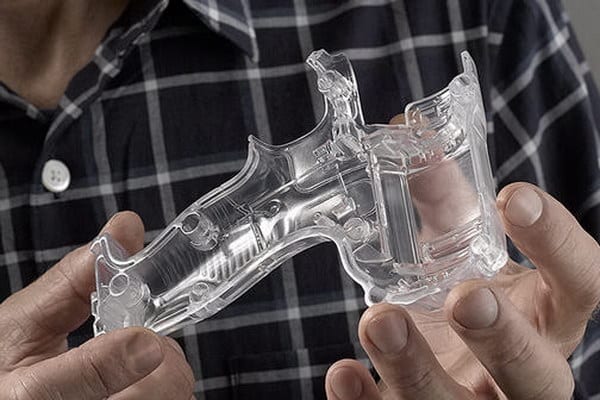
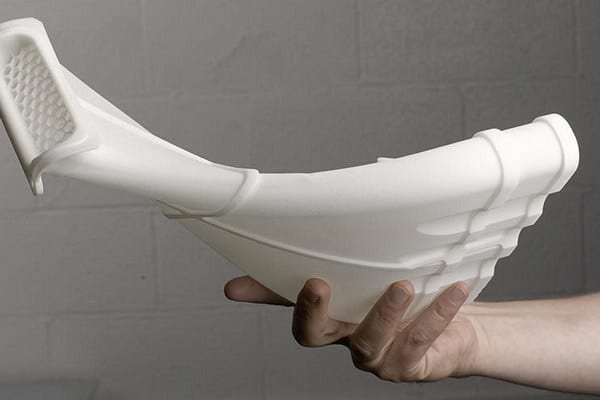
Appearance and form review
- Controlled CAD revision and visible surfaces
- Color, finish or post-processing references where required
- Assembly and handling requirements
Functional or assembly review
- Intended test or decision to support
- Material-property priorities and critical interfaces
- Quantity and inspection requirements
Ready to Get Started?
Upload your 3D printing files to Request a Quote.
Choose the route from the prototype requirement
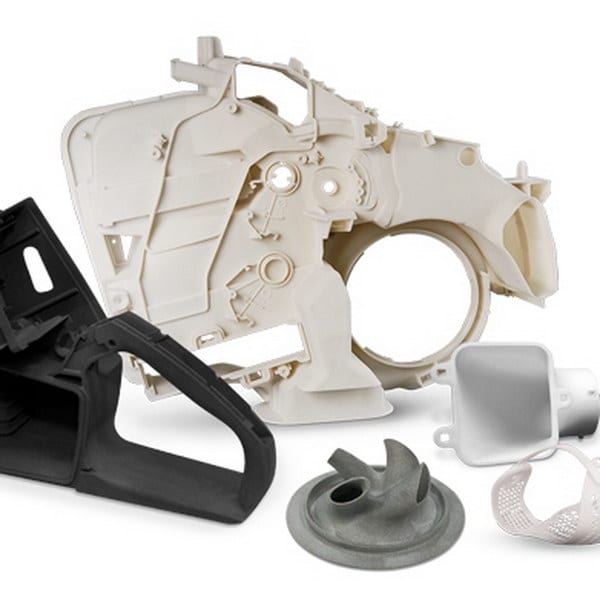
- 3D printing: evaluate when the next decision values additive geometry learning or low tooling exposure.
- CNC machining: evaluate when machined material, critical features or finish requirements lead the part definition.
- Vacuum casting: evaluate for plastic-like prototype or repeat low-volume requirements where a cast route is appropriate.
- Rapid tooling: evaluate when design stability and validation needs justify a controlled tooling review.
3D printing vs CNC machining: confirm against the drawing
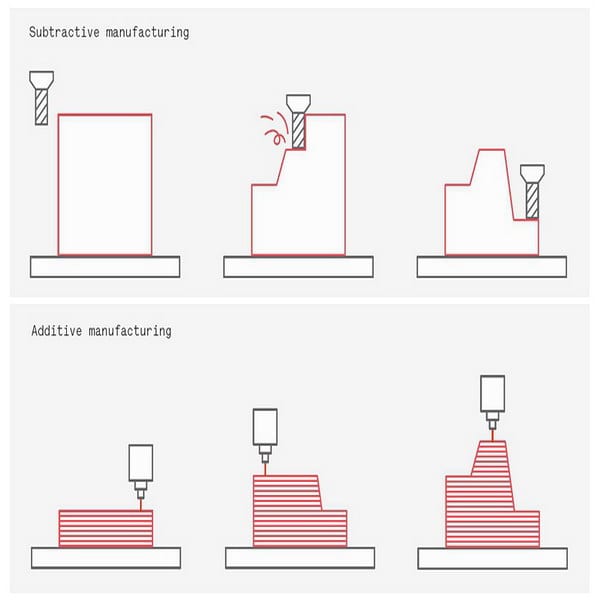
- Geometry: compare additive and machined routes against the released part geometry and interfaces.
- Material and finish: identify what the prototype must represent and any appearance or post-processing needs.
- Quantity and change control: provide initial and repeat quantities and flag expected design changes.
- Acceptance: agree critical dimensions, inspection scope and buyer approval before release.