Engineering Verification Prototypes & DFM Planning
Engineering verification prototypes help teams review a controlled design before pilot or repeat production. Submit CAD, 2D drawings, BOM, revision status, material, finish and inspection requirements for a project-specific manufacturing review.
What is Engineering Prototype
Use Engineering Prototypes to Ensure Design for Manufacturability
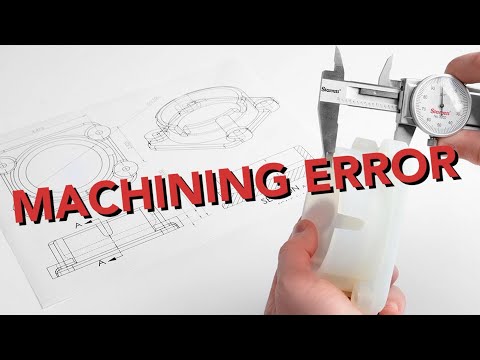
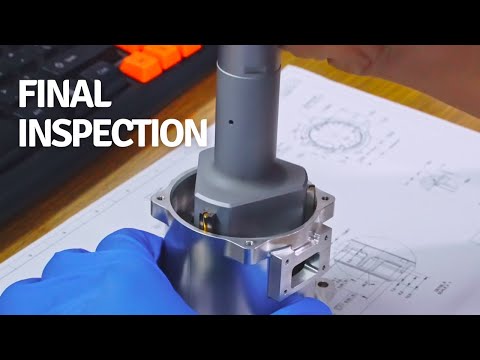
During product development phases, product validation testing procedures become paramount to provide test and analysis results. First, building an engineering prototype is essential. It is a series of components created by combining engineering and design to represent the end product. Such powerful and high-precision pilot production prototypes often manufactured using rapid prototyping undergo rigorous test and evaluation to validate product design, engineering, and manufacturability.
Why Validation and Testing
Prototype Engineering Focuses on Optimizing Mass Production
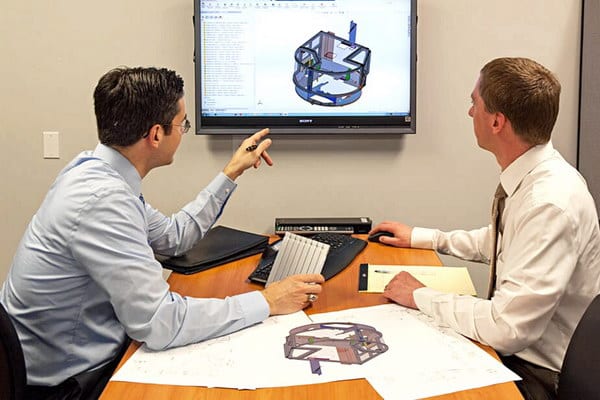
As product development moves into subsequent phases when design and engineering meet, engineering prototyping and testing help identify problems. Identifying improvements and iterating before investing in expensive tools and putting them into production makes the future production process as smooth and reliable as possible.
The design can be verified to meet the expected product specifications and performance through a series of verification test processes, including basic functional testing, manufacturing processes, performance parametric measurements and certification standards verification. The goal is to verify that the design has been properly implemented into production.
Choose the Right Prototype Partner for Your Design & Engineering Validation
- An engineering team with expertise in varying manufacturing processes.
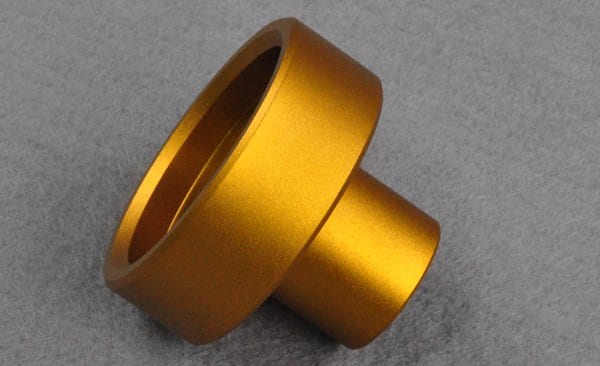
- Provides test parts similar to end-use products using CNC precision machining, rapid tooling, and injection moulding techniques.
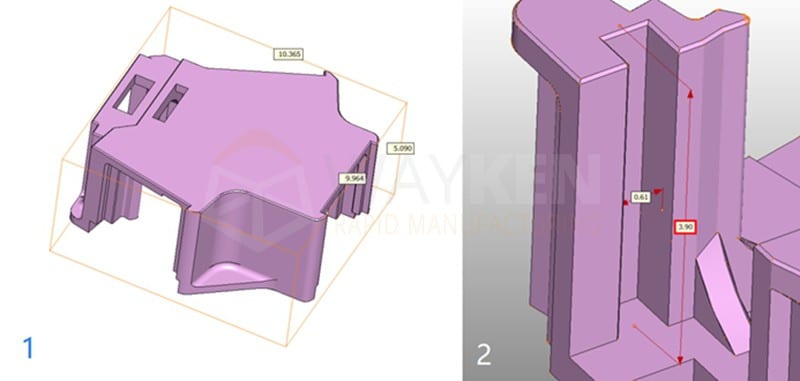
- Assisting with CAD design reviews to ensure compliance with predetermined production requirements before prototyping or manufacturing.
- Solving engineering challenges by providing advice on the best component design based on material, process, and accuracy requirements.
- Anticipate potential production problems and optimize solutions quickly, saving time and money.
How to Test in 3 Different Engineering Validation Stages
Verification is a progressively rigorous process that combines design and engineering development alongside prototyping and manufacturing and is designed to provide objective, comprehensive testing to meet the product’s intended design requirements, performance, specifications and standards, and to ensure that mass production can be sustained.
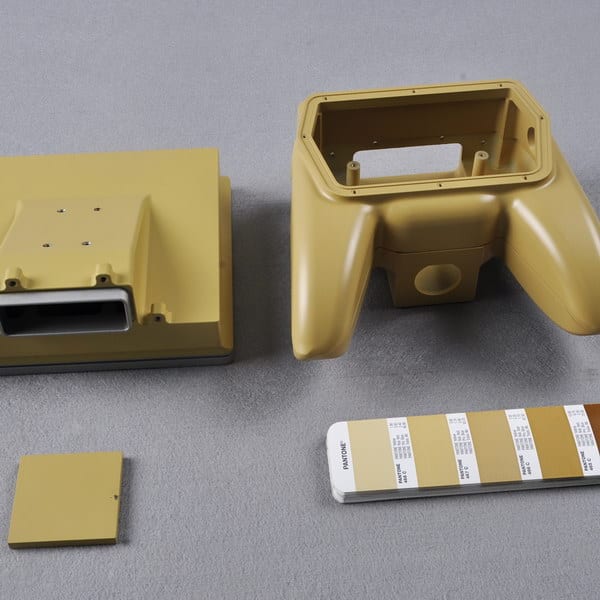
Engineering Verification Tests (EVT)
EVT verifies product compliance with a design specification functional requirements. EVT versions stem from CNC machining, vacuum casting, or rapid tooling.
- Quantity is set by the approved test plan and build objective
- Material and mechanical properties of parts must meet testing requirements
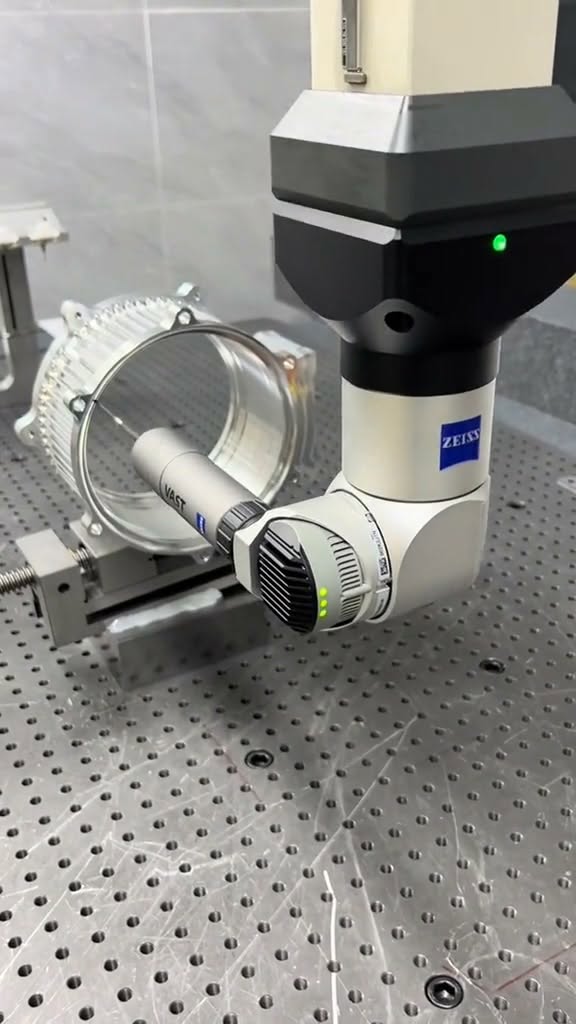
- Critical dimensions and inspection points should be identified in the controlled drawing
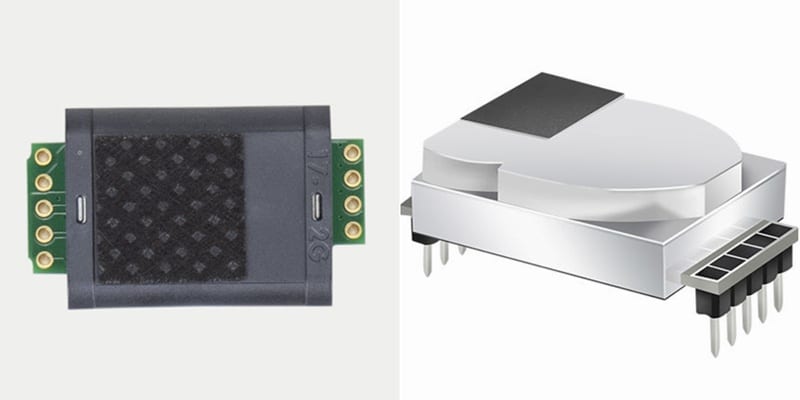
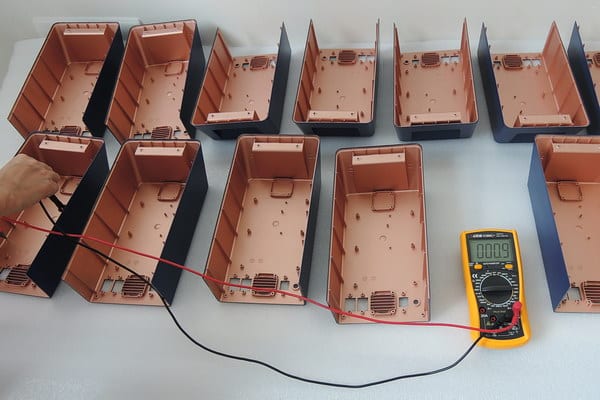
- Basic performance testing, including power, thermal, and EMI
- Identify design or process defects
- Determine design or process improvement options
- A second EVT is performed after making changes
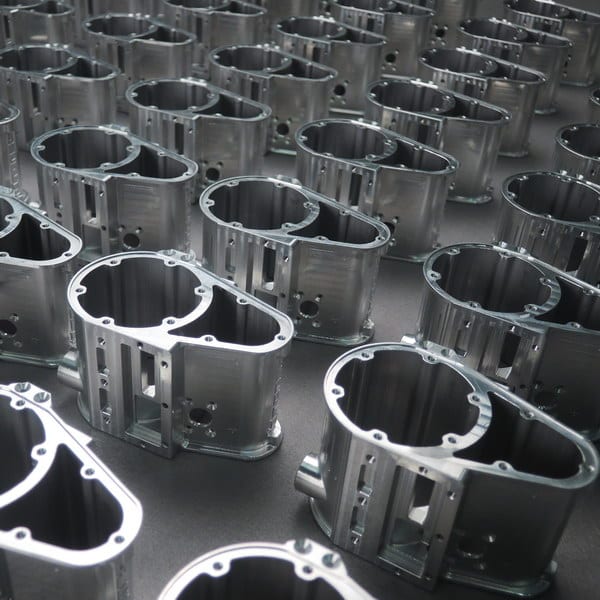
Design Validation Testing (DVT)
DVT is an intensive series of test procedures that verify product compliance with specifications, industry standards, and certifications. It also refines tools and processes for consistent production runs, while using pre-production components to meet ideal testing requirements.
- Quantity is set by the verification plan and release decision.
- All parts should come from a mould or pre-production process.
- Ensure production process meets chemical and environmental requirements.
- Extensive reliability and compliance testing, including flame retardant, drop, waterproof, battery safety, etc.
- Buyer-defined regulatory or industry requirements remain part of the buyer’s compliance plan.
- Need for rapid failure analysis and corrective action.
- Optimization of production schedules.
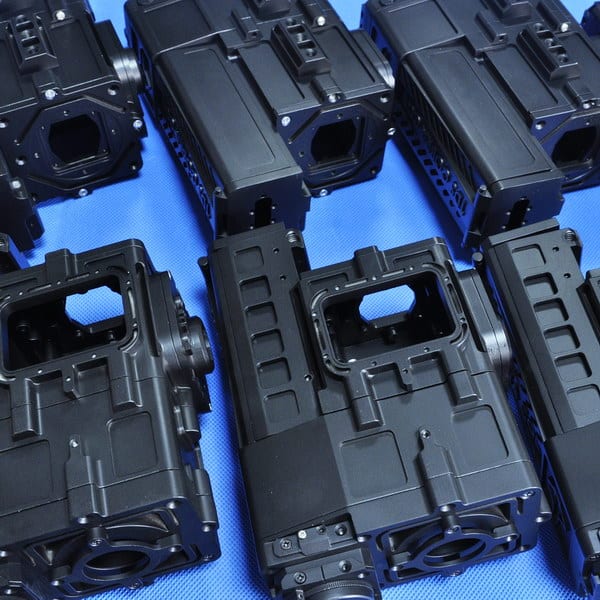
Production Validation Testing (PVT)
A repeat-production release checks whether the approved drawing, process route, inspection plan and change-control approach are ready for a repeat order.
- Quantity follows the approved order and release plan.
- Tooling commences without changes.
- Mass production validation (yield, time, target cost, rework time, etc.)
- Design for Assembly (DFA) validation to optimize the assembly process and reduce time and cost.
- Development and testing of Quality Assurance (QA) and Quality Control (QC) procedures.
- Standard Operating Procedure (SOP) development and employee training procedures.
Ready to Start Your Design Verification Project?
Upload CAD, a controlled 2D drawing, BOM where relevant, revision status, material, finish and inspection requirements. Sendot can provide manufacturing feedback; the buyer approves the final design and release.
Control the release before a verification build
Engineering verification is the stage for a controlled design revision and a defined verification objective. It follows exploratory functional prototype work and precedes a pilot or repeat low-volume release.
Buyer release checklist
- CAD, controlled 2D drawing and revision identifier
- BOM and assembly context where relevant
- Material, surface finish and cosmetic requirements
- Verification objective, critical features and inspection plan
- Quantity range, change-control owner and approval path
Use CNC machining and rapid tooling pages to compare process discussions, then align the drawing and inspection requirements with quality planning. See a prototype housing case study and the DFM communication video. Sendot may provide manufacturing feedback, while the buyer retains final design, compliance and release approval.