
Rapid Tooling Services
Review rapid tooling for prototype, pilot, bridge or low-volume molding programmes when the part definition is stable enough for a tooling decision. The appropriate route depends on the released design, molding material, finish, quantity scenario, validation plan and expected changes.
- One-stop Tooling Solutions
- Cost-effective and Fast Turnaround
- Free DFM for Excellent Results
What is Rapid Tooling?
Rapid tooling is often referred to as prototype tooling, bridge tooling, or soft tooling. Rapid tooling is a crucial step on the path to production. It involves the manufacture of tools used to create products, such as rapid injection molds, rapid die cast molds, sheet metal prototype molds, quick and easy jigs and fixtures, and other custom parts.
Therefore, creating rapid tooling to conduct trial production of hundreds or even thousands of parts before mass production is a very useful process for design optimization, functional testing, or pre-production verification.
Our Rapid Tooling Processes
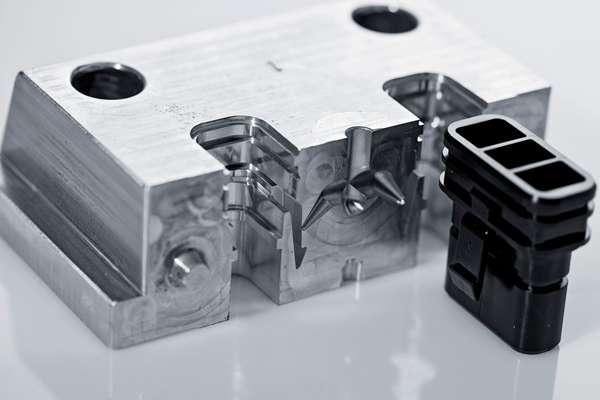
Fast Mold Tooling Making
Enjoy simplified mold design and quick mold making with soft steel or aluminum mold cavities for rapid results. Stock mold components and mold bases are also available for increased speed.
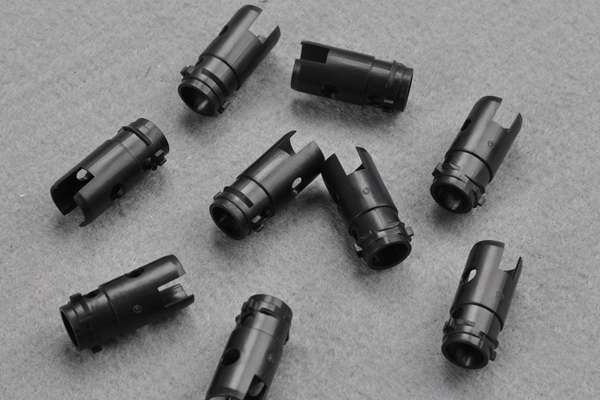
Low Volume Injection Molding
Asides from the regular production molds, we also combine injection molding with our rapid tooling capabilities, allowing us to produce low-volume injection molded parts quickly and cost-efficiently.
When rapid tooling is a fit
Rapid tooling can be considered when a product team needs molded parts for a controlled validation or bridge stage and the current design is stable enough to review tooling. It may not be the right next step when the design is still changing rapidly, when a CNC or vacuum-casting route better fits the current learning objective, or when the buyer has not yet defined the required material, appearance or acceptance criteria.
- Use the current CAD, drawing and revision as the controlled starting point.
- State the intended molding material, finish and visible-surface requirements.
- Give immediate and expected repeat quantity scenarios without treating an early estimate as a commitment.
- Identify validation evidence, critical features and who approves design changes.
Common Types of Rapid Tooling
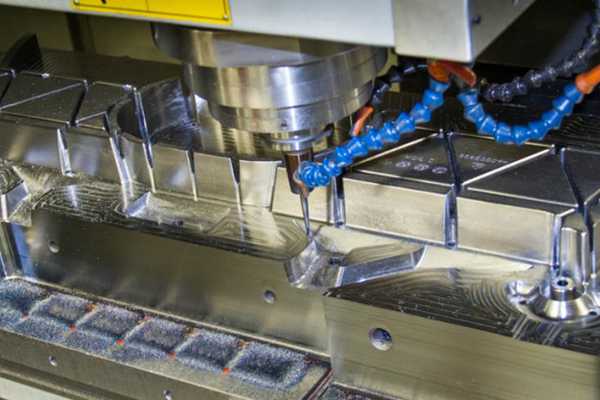
Aluminum Mold Tooling
This is the ideal choice for prototype injection molding because it is a cost-effective means of producing injection molded parts. Using aluminum ensures dimensional stability in the mold tooling, significantly reducing waste production and part deformation during production.
Aluminum molds are also easier to cut, thereby reducing tooling costs by up to 25%. Using aluminum molds also reduces cycle times by 30-40%. All of these combine to ensure faster turnarounds.
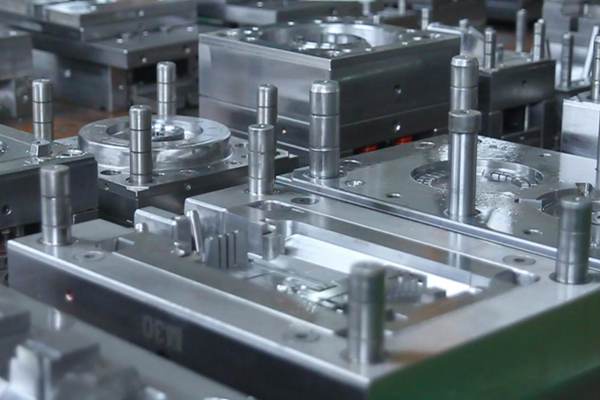
Steel Mold Tooling
Steel is a high-quality, solid, and sturdy material with a longer life cycle. It is more suitable for high-volume production runs and for producing molds from engineering-grade plastics.
Despite its long life cycle, it is more expensive than aluminum and may require more time to produce mold tooling and prototypes.
Rapid Tooling & Prototype Injection Molding Services
Prepare a rapid-tooling RFQ
A useful RFQ identifies the released part, molding material, finish, quantity scenario, critical features, validation scope and expected design changes. These inputs let the buyer and supplier discuss whether a prototype, bridge or other low-volume route should be reviewed.
Upload Drawing for Tooling Review →
Define material and appearance requirements before tooling review
State the required material, appearance, surface texture, color, visible surfaces and functional conditions in the RFQ. If the material selection is still open, describe the project requirement and validation objective rather than assuming that a named plastic or finish is universally available.
Decision criteria for prototype and bridge tooling
| Decision factor | What the buyer should define |
|---|---|
| Design stability | Which features are released, which may change, and who can approve a revision. |
| Validation purpose | What the molded parts must demonstrate and the acceptance criteria for the current stage. |
| Quantity scenario | Immediate requirement, possible repeat releases and forecast uncertainty. |
| Material and finish | Material intent, color, texture, cosmetic surfaces and any functional constraints. |
Compare rapid tooling with other low-volume routes
Use rapid tooling when a controlled mold route is the next project decision. Continue with CNC machining when the design is still changing or the current part is better made by machining. Evaluate vacuum casting when a plastic-like prototype or low-volume representation better matches the project. The right route follows the part, material, quantity, finish, validation and revision-control inputs.
For the broader staged-release context, see low-volume manufacturing and design engineering verification.
Request a project-specific tooling review
Send the released design with molding material, finish, quantity scenario, critical features, validation requirements and expected changes. A quote can then be scoped to the current project rather than a generic tooling promise.
Rapid tooling FAQ
What is the difference between rapid tooling and soft tooling?
These terms are often used for tooling routes evaluated before a long-term production-tool decision. The applicable route depends on the released part, material, quantity scenario, validation plan and design-change control for the project.
When should a buyer continue with CNC machining instead?
Continue evaluating CNC machining when the design is still changing, the part is better suited to machining, or the project has not yet defined the material, quantity, validation and approval inputs needed for a tooling review.
What should a rapid-tooling RFQ include?
Provide the released CAD and drawing revision, intended molding material, finish and visible-surface requirements, quantity scenario, critical features, validation requirements and expected design changes.
Review the tooling route from the released part definition
Provide controlled CAD and drawings, material intent, quantity range, finish, critical interfaces, validation and inspection requirements. Tool approach, schedule and acceptance scope are confirmed for the specific project; supplier DFM feedback does not replace buyer design-release or deviation approval.
See the mold structure exploded animation for a visual guide to common mold-component relationships, then use the drawing and project requirements to confirm the actual tool configuration.
Rapid tooling FAQ
What should I include in a rapid-tooling RFQ?
Include controlled CAD and drawings, revision, material intent, quantity scenarios, visible and critical surfaces, validation needs and inspection requirements.
How should soft and production tooling be compared?
Compare tool approach against design maturity, material requirements, quantity scenarios, validation scope, expected changes and total programme requirements.
Who approves DFM changes?
A supplier can identify manufacturing questions, but the buyer retains final design-release, deviation and acceptance approval.