Custom Aluminum Parts
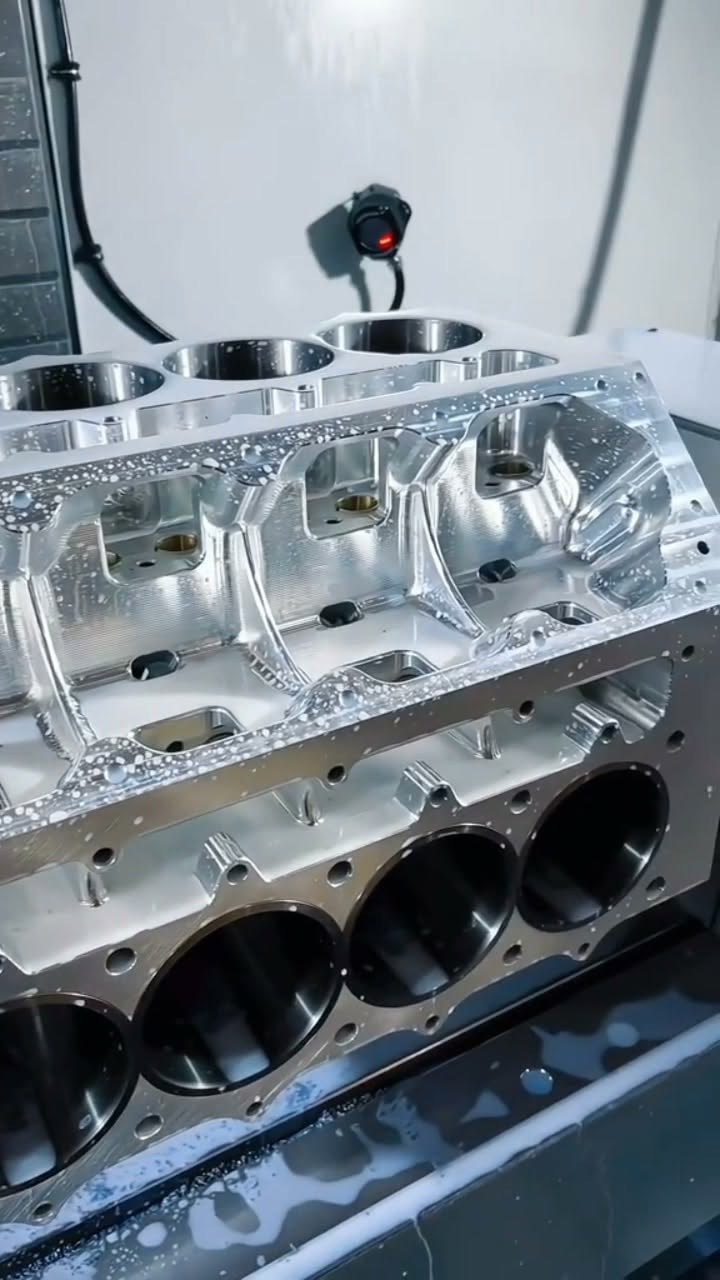
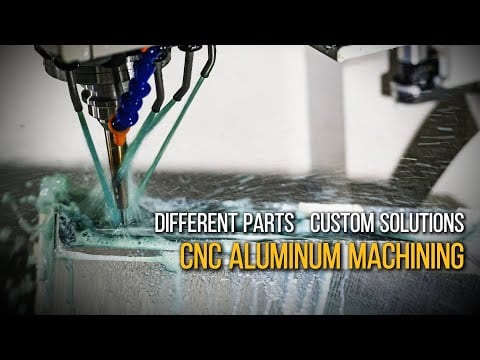
CNC Aluminum Machining
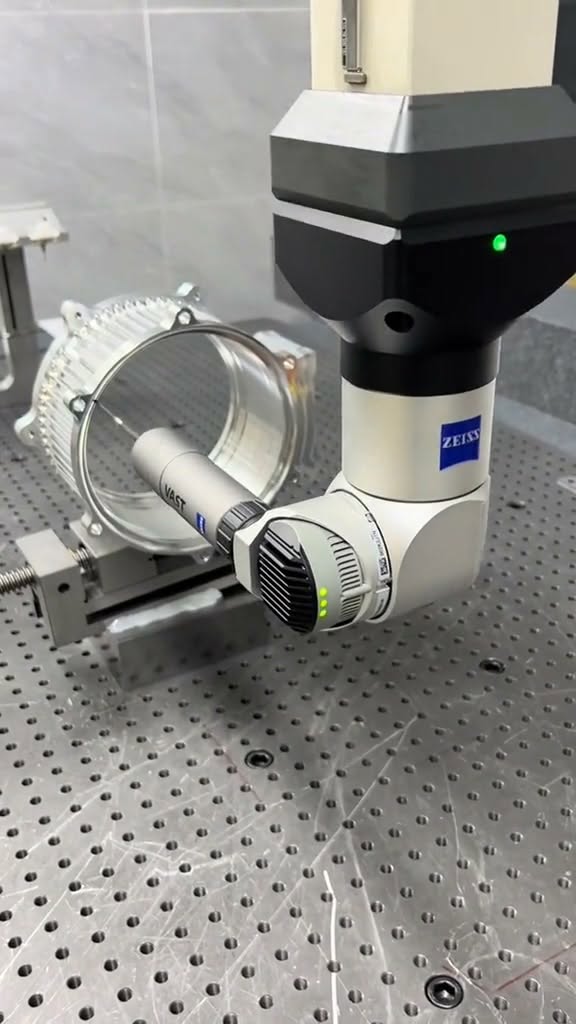
Define the aluminum alloy or functional material requirement, released CAD and drawing, quantity, finish and inspection scope before quotation. The selected machining and finishing route is confirmed against the project files.
Professional Team
Professional Aluminum Machining Team
Project timing is reviewed against the released design, material, finish, quantity and inspection requirements.
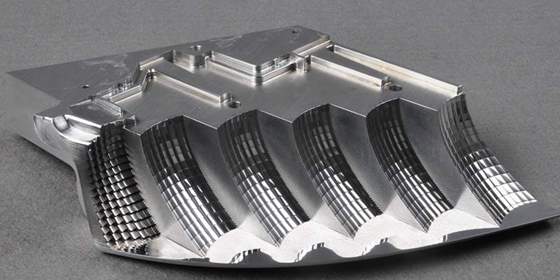
As lightweight metals are widely used, aluminum machining parts are becoming a choice of many industries. With all of our machining experience, CNC aluminum has been Sendot Technology’s expertise for many years.
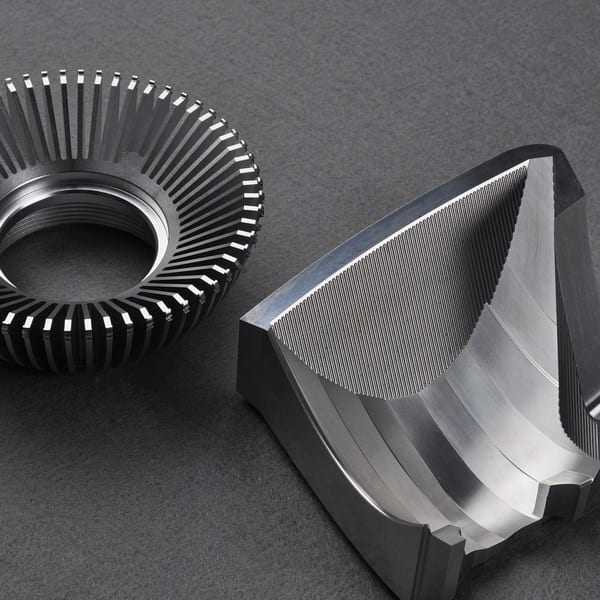
We focus on the manufacturing of non-standard precision aluminum parts with complex structures and are committed to delivering high accuracy and consistent components to our clients. We continue to invest in new CNC machine equipment and skilled employees to ensure that our team maintains a strong competitive advantage.
Machined Aluminum Prototypes
Before the mass manufacturing of aluminum parts, aluminum CNC prototyping is an effective way to handle complex design verification and pre-production testing. It allows you to find and solve problems faster and move towards production.
We review the aluminum prototype route against the released design, material requirement, finish and acceptance criteria. Our engineering team will review each project, analyze your design and meet any special needs such as a combination of welding, EDM, or wire EDM processes.
Manufacturing Of Custom Aluminum Parts
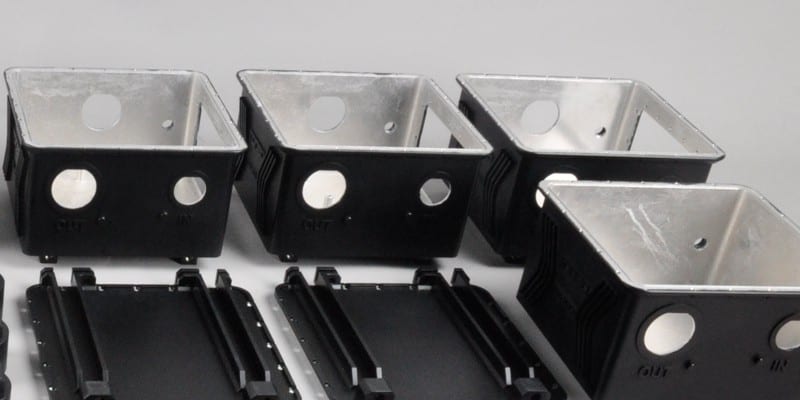
If you need assistance on your custom aluminum machining projects, we will be one of the most capable and affordable production sources with our technology, experience, and skills. Our strict implementation of ISO9001 quality system standards, and the combination of efficient production processes and flexible custom engineering enable us to deliver complex projects in a project-specific route and acceptance plan.
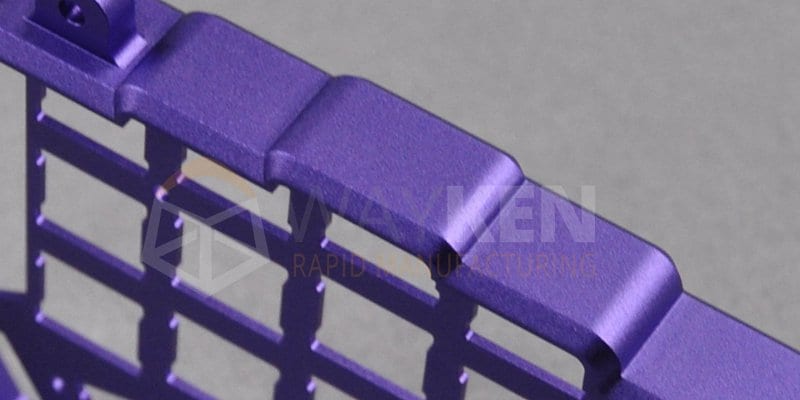
We also provide typical surface treatment operations for custom aluminum parts, such as sandblasting, shot blasting, polishing, electrophoresis, chromating, powder blasting, painting and more.
Material Advantage
Benefits of Using Aluminum in Machining Operations
Both Strong and Lightweight
Ideal for structural parts, housings and visual components that need stiffness without unnecessary mass.
Excellent Machinability
Supports efficient cutting, better tool life and reliable repeatability in prototype and low-volume production.
Excellent Corrosion Resistance
Aluminum helps projects that need a stable material with dependable performance in demanding environments.
Greater Electrical Conductivity
Useful for products where electrical performance and precision machining need to work together.
Resistant to Low Temperatures
Suitable for engineering programs that must retain reliable properties in colder operating conditions.
Surface Finishing and Anodization Potential
Supports sandblasting, polishing, painting and anodizing for both technical and cosmetic requirements.
Programme economics reviewed per project
Efficient machining behavior can reduce cycle time and help keep prototypes and launch volumes practical.
Recyclability
Aluminum remains a practical choice for teams balancing production performance with material efficiency.
5-Axis Precision
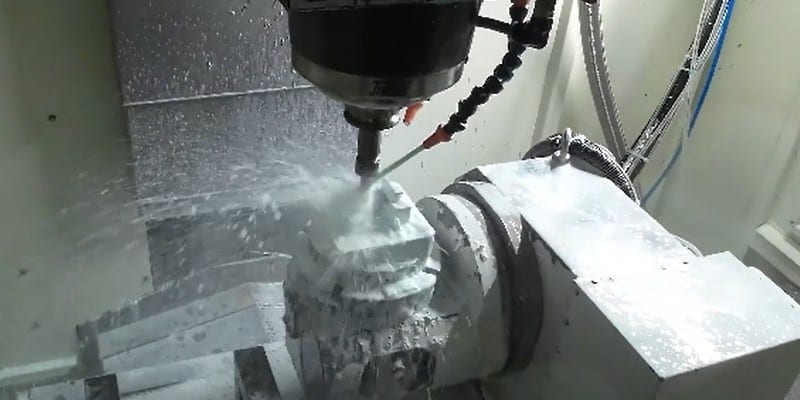
5-axis CNC Milling Aluminum
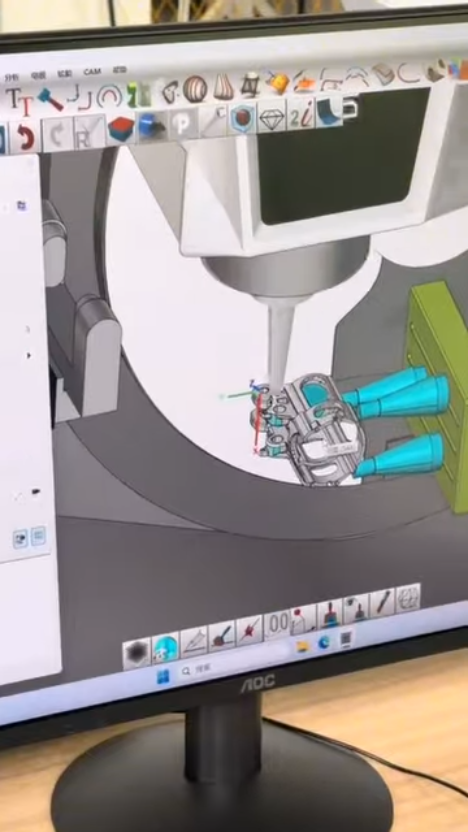
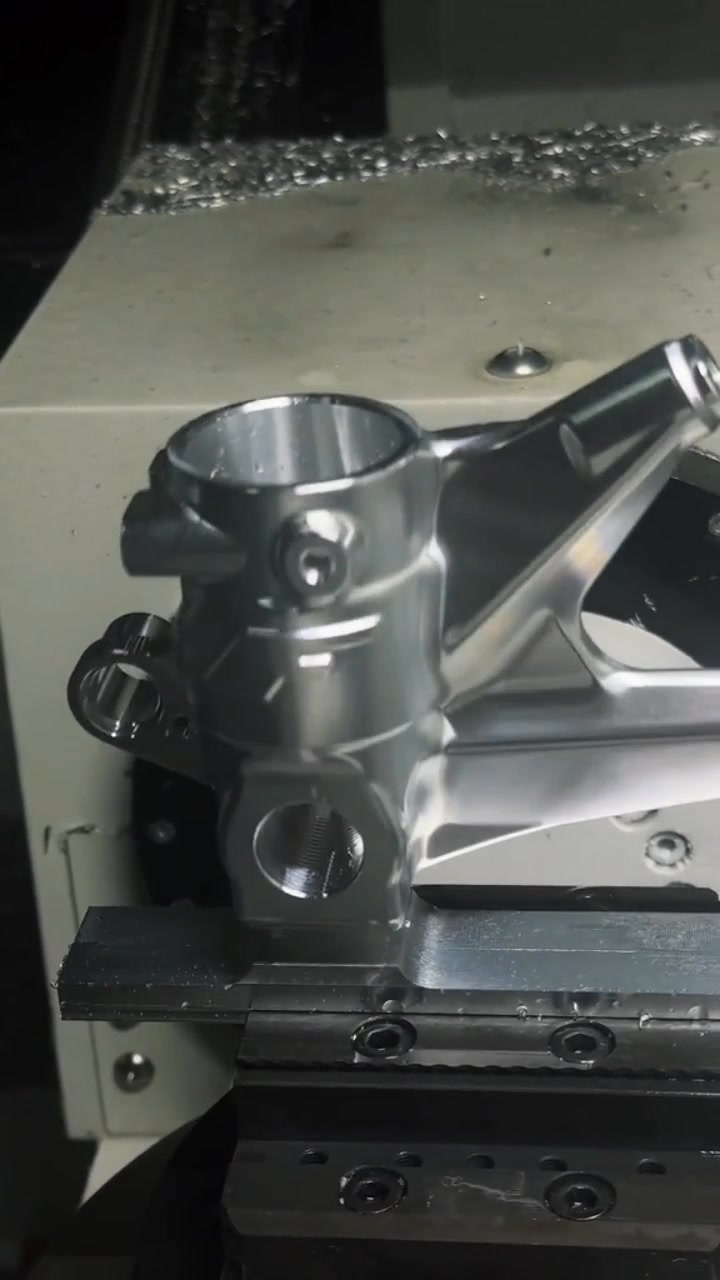
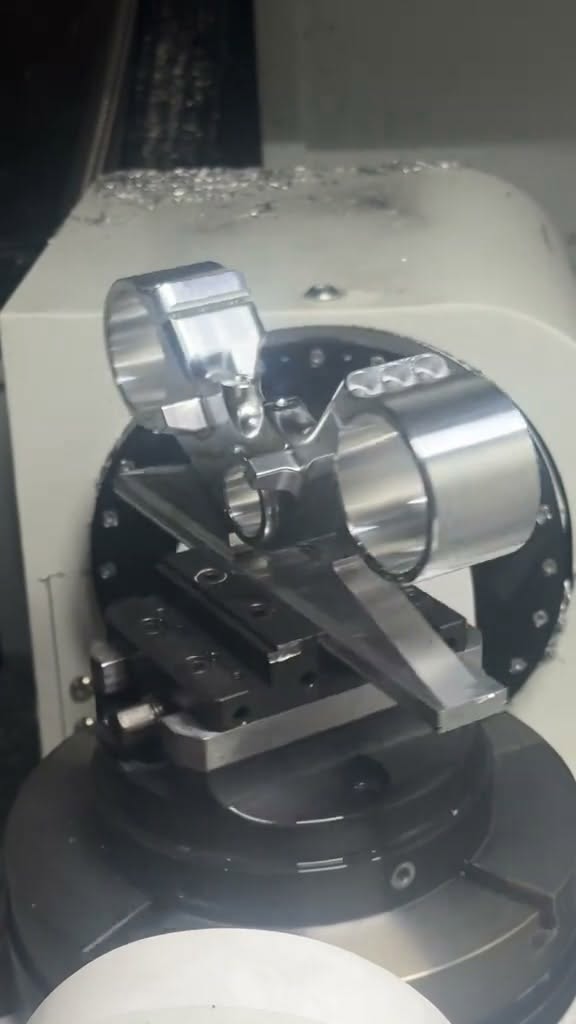
Sendot Technology offers advanced 5-axis CNC milling aluminum, which significantly increases the range of possibilities for machining various types of aluminum parts. No matter how many parts your assembly is composed of, we can handle all kinds of aluminum milling projects that require high precision and complex shape machined parts, and review access, critical features, finish and inspection requirements for the selected project route.
Advantages of 5-axis Milling Aluminum
- The machine is on 5 sides of a part with one single setup, saving setup time and increasing machining productivity.
- Higher accuracy and outstanding surface finish improve overall part quality.
- Workpieces are not moved through several workstations, reducing error and fixturing costs.
- Milling and drilling with compound angles improves tool life and cycle time by keeping the tool in an optimum cutting position.
- Shorter and more rigid tools may be used so higher spindle speeds and feed rates can be achieved while reducing tool load.
Dimensional Stability
5 Steps to Improve Dimensional Stability in CNC Aluminum
Eliminate Internal Stress
Use natural or artificial aging, vibration treatment, and staged roughing before finishing to reduce deformation caused by material stress.
Improve Clamping
For thin-wall aluminum parts, distribute clamping force carefully and use support media where needed to improve rigidity during machining.
Improve Tool Cutting Ability
The material and geometric parameters of the tool have an important influence on cutting force and cutting heat, so correct tool selection is essential.
Choose a Reasonable Process
Rough machining, semi-finish machining, clear corner machining and finishing should be arranged with a stable allowance strategy for high-precision parts.
Use Appropriate Operation Methods
Select the right feed speed, spindle speed and cutting depth, and use symmetrical machining plus drilling-then-milling where appropriate.
Project Kickoff
Challenges Faced When Starting Your CNC Aluminum Project
Aluminum CNC Machining Services Offered, Contact Now!
What needs to be resolved early
- Choose the aluminum alloy type that meets the function of the product.
- Ensure the rigidity of the machine can carry enough cutting loads.
- Set the right range of cutting parameters for a given tool in a given material.
- Solve chip clearing and cooling problems during machining.
- Use special fixtures to achieve high-precision and consistent machining.
Integrated Workflow
Integrated Machining Process of Aluminum Parts
Generally, aluminum CNC machining is not a standalone production process. When short-run production needs reach hundreds or more, you need a complete solution to achieve a more efficient, accurate and cost-effective process.
When manufacturing aluminum parts, we review each project based on the complexity and manufacturability of the part, evaluate the production cost, and create a process route that meets your design and specifications.
The process route may combine milling, turning or other relevant operations after the drawing, material, quantity and inspection requirements are reviewed. If another process is relevant, it is evaluated against the released project scope rather than assumed as a default capability.
Material Grades
Aluminum Material Grades We Work With
Specify the aluminum grade, temper or functional requirement in the RFQ. Examples such as 6061, 6082, 6063, 7075, 2024 and 5052 are material-selection inputs; availability, substitution and suitability must be confirmed against the project requirements.
Aluminum 6061
The most versatile of the heat-treatable aluminum alloys, with a great range of mechanical properties, good corrosion resistance and good workability in the annealed condition.
Aluminum 6082
A medium strength alloy with excellent corrosion resistance and the highest strength of the 6000 series alloys. It is commonly used for structural machining applications.
Aluminum 6063
Commonly known as an architectural alloy, with excellent finishing characteristics and high corrosion resistance, often used in extrusion applications.
Aluminum 7075
One of the highest strength aluminum alloys available, with an excellent strength-to-weight ratio and common use in aviation and high-stress parts.
Aluminum 2024
Chosen where high strength-to-weight ratio and fatigue resistance matter. It has average machinability and weaker corrosion resistance than some other grades.
Aluminum 5052
The highest strength alloy of the more non-heat-treatable grades, with excellent workability and strong resistance to marine atmosphere and saltwater corrosion.
Next Step
Prepare an aluminum CNC machining RFQ
Send the current CAD, controlled drawing, alloy or functional material requirement, quantity, finish, critical interfaces and inspection expectations. Buyer approval remains the final design release authority.
Upload CAD for DFM & Quote