CNC Milling vs CNC Turning: Differences & When to Use Each
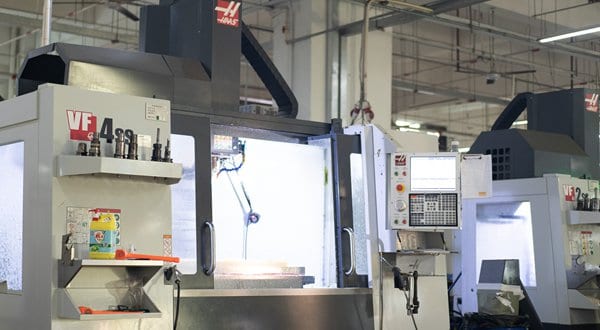
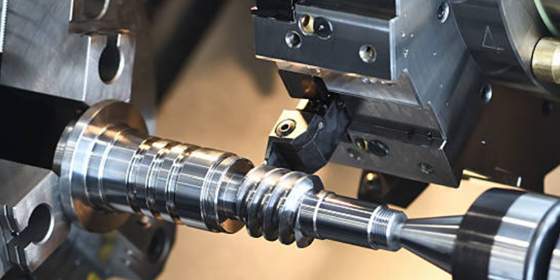
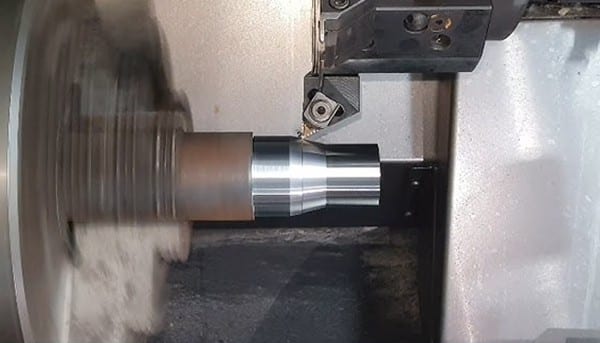
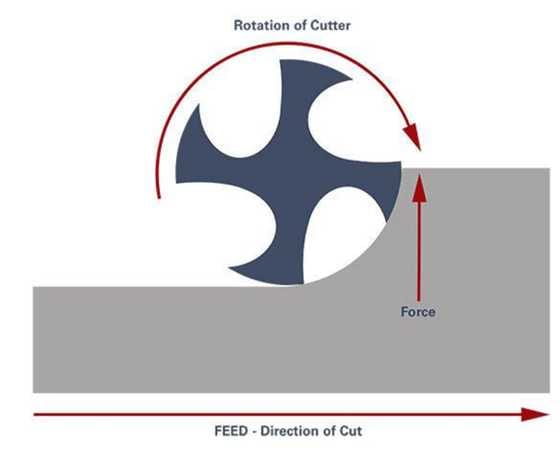
In CNC milling the workpiece is fixed and a rotating cutter removes material to make prismatic parts (brackets, housings, plates); in CNC turning the workpiece spins on a lathe while a stationary tool shapes it into round parts (shafts, pins, bushings). The simplest rule: turning for cylindrical parts, milling for everything else — and mill-turn machines do both in one setup.
Key takeaways
- Milling: part fixed, tool rotates → prismatic / 3D shapes.
- Turning: part rotates, tool fixed → round, axially-symmetric parts (fast & economical).
- Round part → turning; block/complex part → milling; both features → mill-turn.
- Many parts use both: turned first, then milled for flats, slots, or cross-holes.
This guide compares the two core CNC processes. To have parts made, see our CNC milling and CNC turning services.
CNC milling vs CNC turning at a glance
| Factor | CNC Milling | CNC Turning |
|---|---|---|
| What moves | Tool rotates, part fixed | Part rotates, tool fixed |
| Machine | Machining center (mill) | Lathe |
| Best part shape | Prismatic, 3D, multi-face | Cylindrical, conical, round |
| Typical parts | Brackets, housings, plates, molds | Shafts, pins, bushings, fittings |
| Speed for round parts | Slower | Very fast |
| Cost for round parts | Higher | Lower |
What is CNC milling?
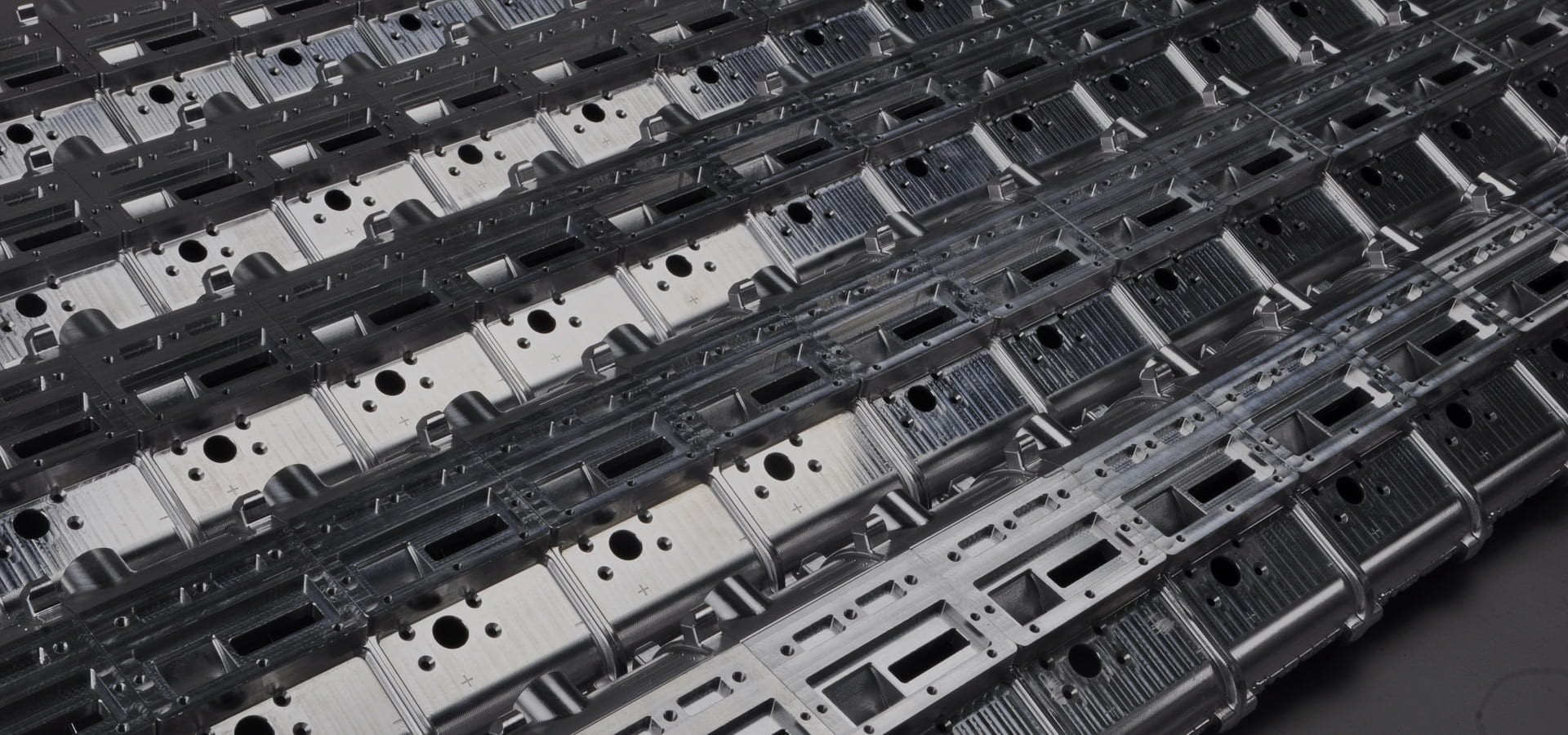
In CNC milling the part is clamped and a rotating multi-point cutter removes material along multiple axes to create flats, pockets, slots, holes, and complex 3D surfaces. It is the most versatile process for prismatic and free-form parts. Learn more in what is CNC milling.
What is CNC turning?
In CNC turning the part is held in a chuck and spun at high speed while a single-point tool cuts its outer and inner diameters, faces, tapers, grooves, and threads. For round, axially-symmetric parts it is far faster and cheaper than milling. Learn more in what is CNC turning.
When to use each — and mill-turn
- Round / cylindrical part (shaft, pin, bushing) → turning.
- Block, plate, or complex 3D part → milling.
- Round part with flats, slots, or cross-holes → mill-turn (turning + live milling tools in one setup) for accuracy and speed.
Both processes hold precise tolerances; general dimensions typically follow the ISO 2768-1 standard, with critical features toleranced per ASME Y14.5. See our CNC machining tolerances guide.
Frequently asked questions
What is the main difference between milling and turning?
Which is cheaper, milling or turning?
Can one machine do both milling and turning?
Do many parts use both processes?
Need milled or turned parts? Sendot Technology offers CNC milling, CNC turning, and mill-turn machining. Request a quote.
Manufacturing next step
Apply this guidance to your part
Continue to the relevant service page for process scope and buyer inputs. If your design is ready, send the current files for engineering review and quotation.
Related manufacturing resources
Continue with the process or project stage most relevant to this topic: