5-Axis CNC Machining a Turbine Blisk (One-Piece, No Weld Seams)
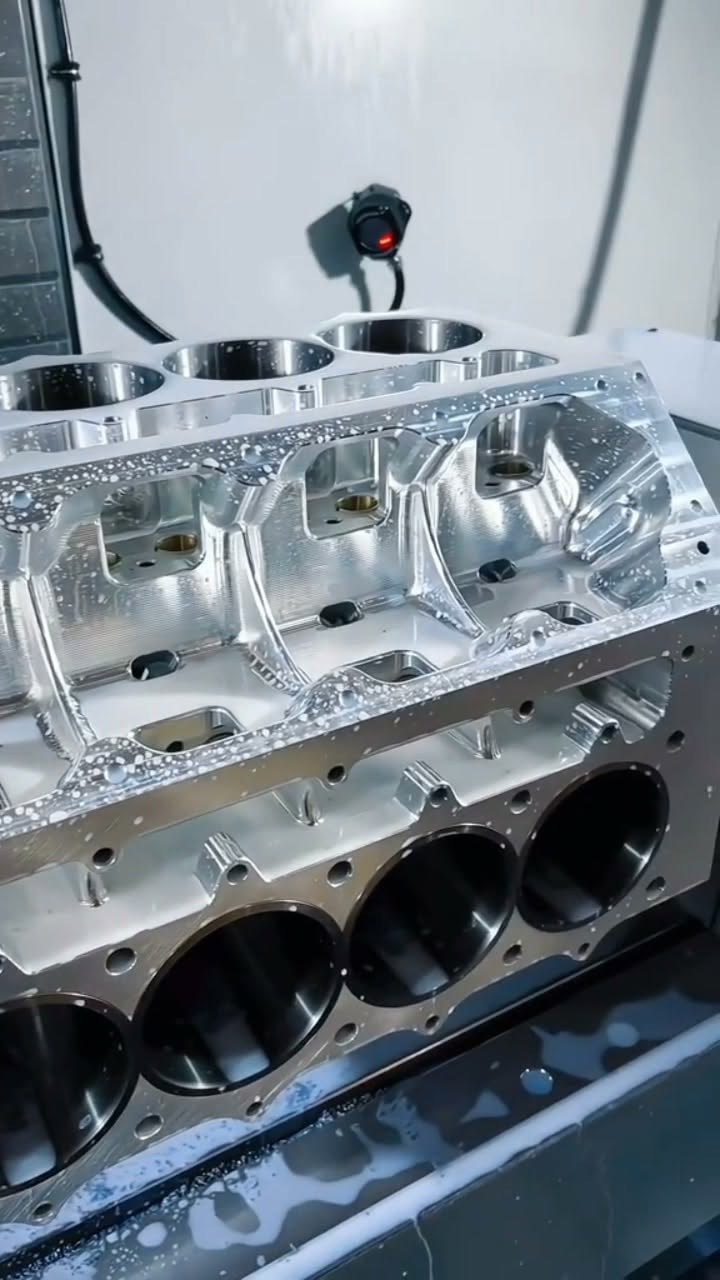
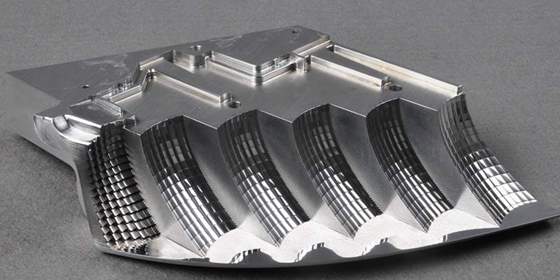
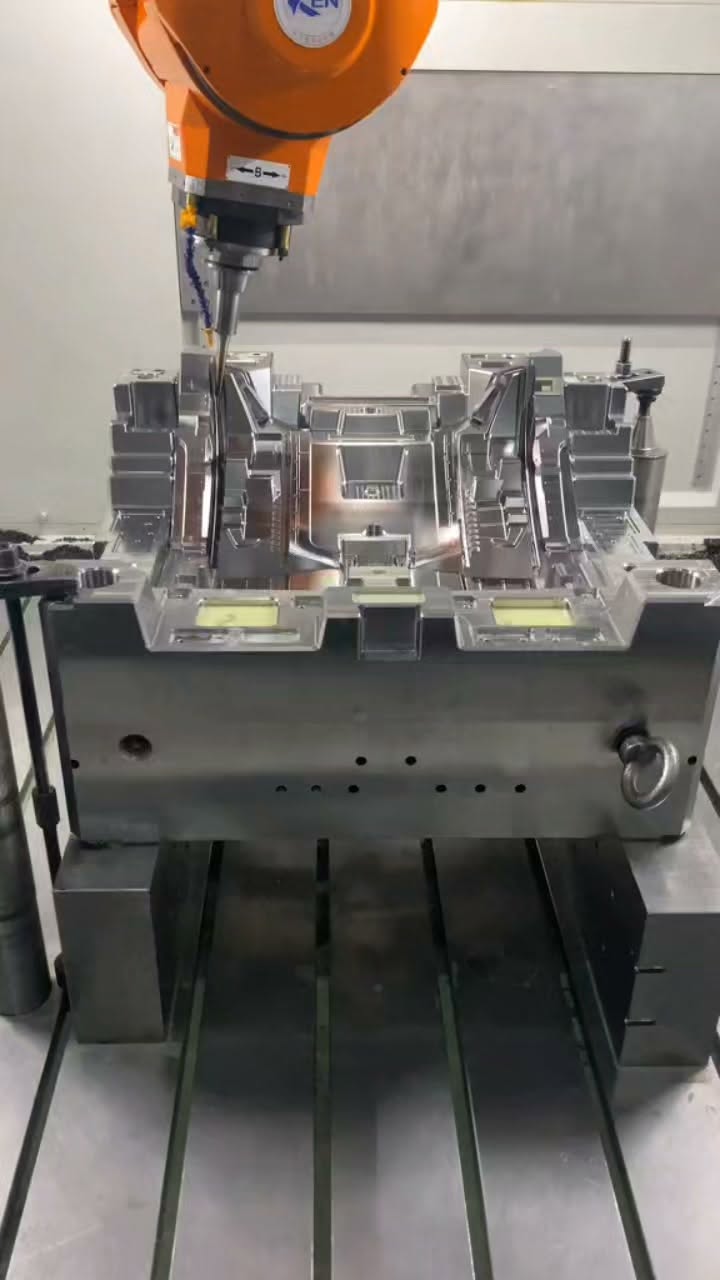
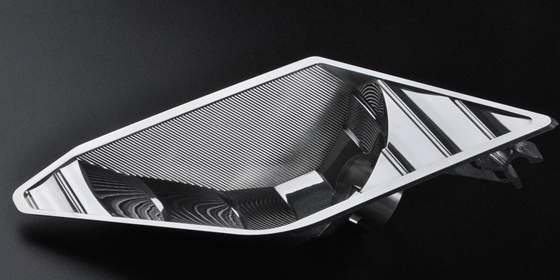
This reel shows a turbine blisk — a bladed disk with twisted, thin aerofoil blades — being milled from a single solid billet on a 5-axis CNC machine. Because the blades are twisted and closely spaced, a 3-axis machine simply cannot reach them; and machining the blisk as one piece removes the weak weld seams a bladed-disk assembly would otherwise have.
Key takeaways
- A blisk (bladed disk) integrates the blades and hub into one solid part — no root joints, no welds.
- 5-axis machining tilts the tool to reach the twisted, thin blades and their undercuts; 3-axis cannot.
- One-piece construction removes weld/joint seams, improving strength, fatigue life and balance.
- One-stop CNC metal parts service — machining, sheet metal, fixtures and custom molds (OEM).
▶ Watch this video on Facebook
What you are watching
A multi-axis machining center is finish-milling the aerofoil blades of a blisk. The spindle and the part move on five axes at once, so the cutter can follow each blade's curved, twisted surface and clear the tight channels between blades. The result is a single integrated rotor cut from one billet — the blades and disk are the same piece of metal, not blades fixed into a disk.
Why a blisk needs 5-axis machining
- Twisted, thin blades: each aerofoil changes angle along its length, which only a tilting 5-axis tool can follow accurately.
- Tool access: the narrow, curved channels between blades are unreachable for a fixed 3-axis spindle.
- One setup, one datum: machining every blade from a single setup keeps them true to each other for balance.
- No weld seams: a one-piece blisk avoids the blade-root joints (and their fatigue/failure risk) of a bolted or welded bladed disk.
Capabilities behind the part
| Capability | Detail |
|---|---|
| 5-axis CNC machining | Blisks, impellers, turbine & complex aerofoil parts |
| Materials | Aluminum, titanium, stainless & superalloys |
| Precision | Tolerances to ±0.01 mm; balanced, inspected rotors |
| One-stop service | Machining, sheet metal, fixtures & custom molds (OEM) |
Applications
- Aerospace & propulsion — compressor and turbine blisks for engines and APUs
- Turbochargers & pumps — impellers and bladed rotors
- Energy & industrial — turbomachinery and high-performance rotating parts
Blisks are typically machined in titanium or aluminum, and finished features are toleranced per ISO 2768. See our 5-axis CNC machining guide and the difference between 3-, 4- and 5-axis machining.
Frequently asked questions
What is a turbine blisk?
Why can't a blisk be machined on a 3-axis machine?
Why machine a blisk in one piece instead of welding blades on?
What materials can you machine blisks and impellers from?
Need a blisk, impeller, or complex 5-axis part? Sendot Technology offers one-stop precision 5-axis machining and CNC machining — from prototype to OEM production. Send us your drawings for a quote.
Related manufacturing resources
Continue with the process or project stage most relevant to this topic: