Aluminum 6061-T6 vs. 6061-T651: Compare Their Differences
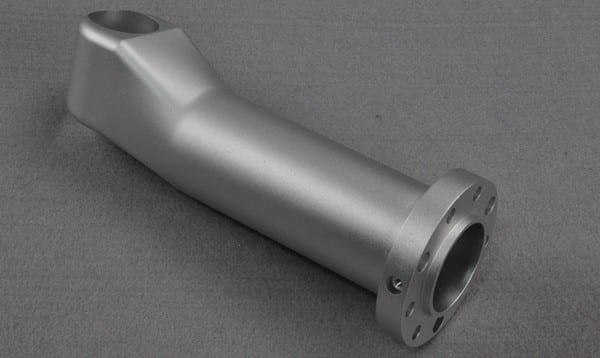
TL;DR
6061-T6 and 6061-T651 are the same alloy with the same core strength; T651 simply adds a stress-relieving stretch after quenching. That extra step lowers residual stress, so T651 machines more precisely and stays more dimensionally stable, while T6 is cheaper and adequate for most non-critical parts.
- Only difference: T651 adds a 1–3% stretch step; heat treatment is otherwise identical
- Shared strength: both reach ~290 MPa tensile, 276 MPa yield, Brinell 95
- Same physicals: density 2700 kg/m³, thermal conductivity 167 W/m-K, fatigue 96.5 MPa
- Machinability: T6 rated Good, T651 rated Excellent thanks to lower residual stress
- Trade-off: T651 costs more and takes longer to make; T6 is more common and cheaper
- Best fit: T651 for high-precision or thin-walled parts; T6 for general aerospace, automotive and marine frames
Aluminum 6061 (Al 6061) is a popular precipitation-hardened aluminum alloy with great mechanical properties, weldability, and strength-to-weight ratio. With a range of grades and different qualities and costs, it is arguably the most general-purpose aluminum alloy.
This article will present an in-depth discussion on the comparison of two common Al 6061 grades: Al 6061-T651 vs 6061-T6. We will compare their mechanical properties, manufacturability, and applications.
What is Al 6061 and Its Tempers?
Let us begin with a brief introduction to Al 6061 and its various tempers (grades). Al 6061 represents a group of aluminum alloys with magnesium and silicon additives, which give it its characteristic properties.
In addition, there are several tempers of Al 6061. These tempers differ in terms of heat treatment and other material conditioning techniques. Consequently, they also have different performance characteristics. Each temper has its designation as defined by standards such as ANSI H35.1/H35.1(M).
Aluminum alloy 6061-T651 and Aluminum alloy 6061-T6 are two common tempers of Al 6061. Now that we have an understanding of Al 6061 and its tempers, let us get into our debate about aluminum 6061 T6 vs T651.
Aluminum 6061-T6
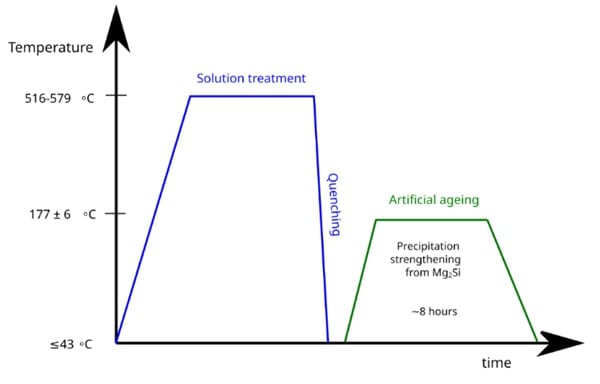
Aluminum 6061-T6 is arguably the more common grade among aluminum 6061 T6 vs T651. Its fabrication process compresses three main procedures:
- Solution Heat Treatment: Aluminum, along with its specific mixture of alloying elements, is heated to a temperature of approximately 550℃ for a certain time. This forms a homogenous solution of the alloying elements in the aluminum metal matrix.
- Quenching: The hot solution is then cooled down to room temperature at a very rapid rate. This ‘freezes’ the homogenous state of the solution, preventing any particulates from precipitating/aging during the cool-down period. Generally, the quenching media is water.
- Aging: In this step, the machine shop again heats the material to a temperature of around ~1770C for hours (often 6-10 hours). This aging process allows a very controlled and stable precipitation of alloying elements in the aluminum matrix, which leads to higher hardness and toughness. In the end, a very gradual cooling brings the material back to room temperature.
Pros and Cons of Al 6061-T6
Al 6061-T6 is known for its excellent tensile strength (~290 MPa), resistance to corrosion, and high thermal conductivity. It performs well for high-performance applications like aerospace structural components or automotive chassis frames.
At the same time, it has some disadvantages as well. For example, it carries some residual stress due to its quenching cycle, as we will discuss shortly. Moreover, although compatibility with welding techniques like MIG and TIG is one of its strong points, there is a risk of quality deterioration in the heat-affected zone.
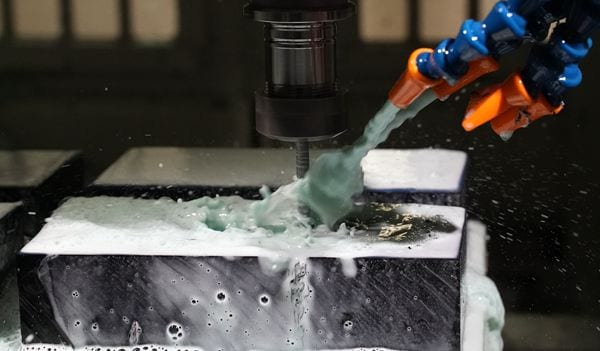
Aluminum 6061-T651
Aluminum alloy 6061-T651 is of a very similar grade to the Al 6061-T6, with slight differences in fabrication process, material characteristics, and applications. In fact, it has only one extra process in its heat treatment cycle. Let us take a look at its fabrication method from the lens of Al 6061-T651 vs 6061-T6.
- Solution Heat Treatment: The same as Al 6061-T6.
- Quenching: The same as Al 6061-T6.
- Stretching: The material is stretched using special machines from 1-3%, both towards the end of the quenching phase and after it. This relieves internal stress that builds up during solution heating and quenching.
- Aging: The same as Al 6061-T6.
It is clear that the only difference between the 6061 T6 and 6061 T651 grades is the extra step of stretching during fabrication. Although a minute difference, it leads to some obvious differences in terms of performance.
Pros and Cons of Al 6061-T651
Stretching the material de-stresses it, which helps it retain its shape and material properties better than the T6 temper. Therefore, Al 6061-T651 is slightly more dimensionally stable, weldable, and machinable than its counterpart Al 6061-T6.
It is, however, more costly and time-consuming to make due to the additional processing. Moreover, it does not bring many outstanding benefits to the table in comparison to Al 6061-T6 and is useful in very specific applications. Consequently, research is required to source it from markets and use it in a financially viable manner.
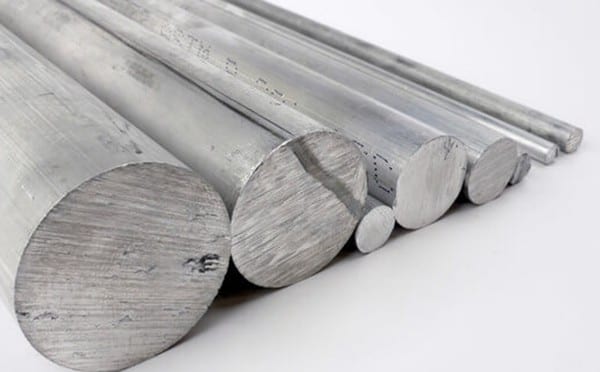
Al 6061-T651 vs Al 6061-T6
With a better understanding of the difference between 6061 T6 and 6061 T651, we can now move on to some of the specifics of our discussion on aluminum 6061 T6 vs T651.
Machinability
Aluminum machining is a large industry that serves important industries like marine, aerospace, mold and dies, and automotive. When it comes to 6061-T651 vs 6061-T6, there are notable differences in terms of performance.
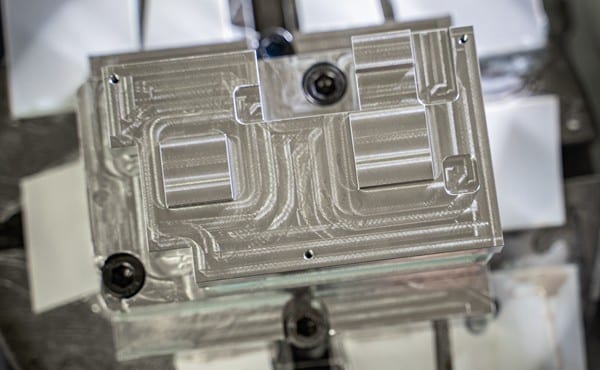
Al 6061-T6 is generally an easy-to-machine material but since it carries residual stresses from solution heating and quenching, it is susceptible to issues like warping or distortion under intense machining conditions.
Aluminum alloy 6061-T651, on the other hand, has superior performance due to lower residual stresses. It can resist permanent deformations under machining forces better and conduct heat slightly more efficiently from the machining area. Due to this, manufacturers prefer the T651 temper over the T6 grade for higher precision and aluminum surface finish in machining.
Dimensional Stability
Dimensional stability differs slightly between 6061 T6 and T651 due to their respective heat treatment processes. Both alloys undergo solution heat treatment and quenching, but T651 is subjected to a stress-relieving stretching process after quenching. This reduces residual stresses within the material. In contrast, 6061 T6 may exhibit slightly higher internal stresses, which can lead to dimensional changes, especially when machining large or thin-walled parts.
Key Differences
The contrast between aluminum 6061 T6 vs T651 is not stark, but very subtle in numerous ways. In this section, we will present the difference between 6061 T6 and 6061 T651 in a clear and concise manner to help decision-makers save time and effort.
| Property | Aluminum alloy 6061-T6 | Aluminum alloy 6061-T651 |
| Yield Strength | 276 MPa | 276 MPa |
| Density | 2700 kg/m3 | 2700 kg/m3 |
| Hardness (Brinell) | 95 | 95 |
| Thermal Conductivity | 167 W/m-K | 167 W/m-K |
| Fatigue Strength | 96.5 MPa | 96.5 MPa |
| Machinability | Good | Excellent |
| Weldability | Excellent | Excellent |
| Dimensional Stability | Good | Excellent |
| Corrosion Resistance | Excellent | Excellent |
| Applications | General aerospace components (beams, non-critical housings), automotive body panels, piping, bicycle frames, and marine frame components. | High precision aerospace (wing spars, critical frame components), military-grade machining, marine propellers, high-accuracy heat sinks. |
Other Tempers of Al 6061
Aluminum 6061 is a versatile alloy with a wide range of applications. While our focus is on aluminum alloy 6061-T651 and aluminum alloy 6061-T651, it is good to also take a look at some of the other tempers of Al 6061.
| Temper | Heat Treatment | Strength |
| 6061-O | Full annealing; softest, and most ductile. | Low: Tensile ~125 MPa |
| 6061-T4 | Solution treatment and natural aging; good formability. | Moderate: Tensile ~207 MPa |
| 6061-T62 | Reheat treatment and artificial aging after cooling; weld friendly. | High: Tensile ~290 MPa |
| 6061-T6511 | Extruded, stress-relief version of T651; consistent machining performance. | High: Tensile ~290 MPa |
| 6061-T6 | Solution treatment and artificial aging; high strength to weight ratio. | High: Tensile ~290 MPa |
| 6061-T651 | T6 + stress relieving by stretching; better machinability. | High: Tensile ~290 MPa |
Get Aluminum CNC Machining Services at Sendot Technology
Sendot Technology specializes in high-precision aluminum CNC machining services, offering expertise in working with various aluminum grades, including 6061-T6 and 6061-T651. Our advanced machining techniques ensure exceptional dimensional stability, surface finish, and quality control. Contact us for custom machining solutions to meet your manufacturing needs, from prototyping to production runs.

Conclusion
With a simple difference in aluminum 6061 T6 vs T651 heat treatment process, both grades exhibit remarkable mechanical properties like strength, thermal conductivity, and weldability. However, there are differences in terms of machinability, dimensional stability, and cost that render aluminum alloy 6061-T651 a slightly better material.
FAQs
Is T651 always superior to T6 for machining?
No, it depends on the applications. While Al 6061-T651 is markedly more machinable than Al 6061-T6, it is also more expensive. Therefore, manufacturers should choose between them based on their application. For example, using T651 for a low-precision non-critical product would be over-engineering and costly.
Is there a cost difference between 6061-T6 and 6061-T651?
Yes. 6061-T651 is generally a bit more expensive due to the additional heat treatment processing. However, the cost difference is also generally justifiable due to better machinability and smaller machining times.
Can 6061-T6 distort during heat exposure or machining?
Yes. Heat exposure or machining can induce residual stress in 6061-T6, which can cause minute distortions. For this reason, 6061-T651 is often preferred in applications where dimensional stability is required.
Frequently asked questions
What is the actual difference between 6061-T6 and 6061-T651?
Which temper machines more accurately?
Do 6061-T6 and T651 have the same strength?
When should I pay extra for 6061-T651?
Can Sendot Technology machine both 6061-T6 and 6061-T651?
Manufacturing next step
Apply this guidance to your part
Continue to the relevant service page for process scope and buyer inputs. If your design is ready, send the current files for engineering review and quotation.
Related manufacturing resources
Continue with the process or project stage most relevant to this topic: