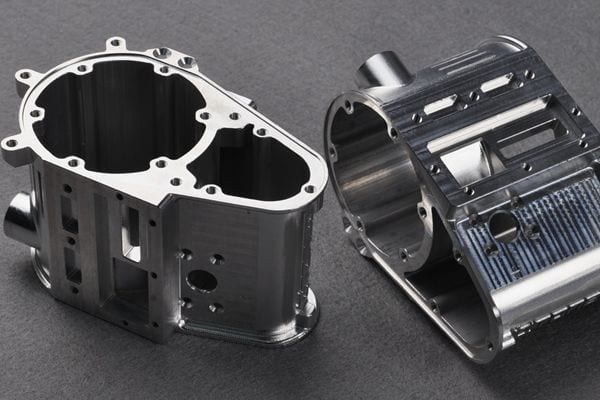
Automation equipment components
Custom Automation Equipment Parts Machined to Your Drawing
Sendot supports machine builders and automation solution providers that need custom mechanical parts rather than standard catalog hardware. Submit controlled CAD and drawings for brackets, mounting plates, housings, shafts, spacers, locating parts and other equipment components. The machining route, material, quantity, finish and inspection scope are confirmed against the actual RFQ; production-line design and automation integration are outside the service scope.
- Custom mechanical components from CAD and drawings
- Prototype, pilot and repeat low-volume planning
- Project-specific DFM and inspection review
Direct answer
What are custom automation equipment parts?
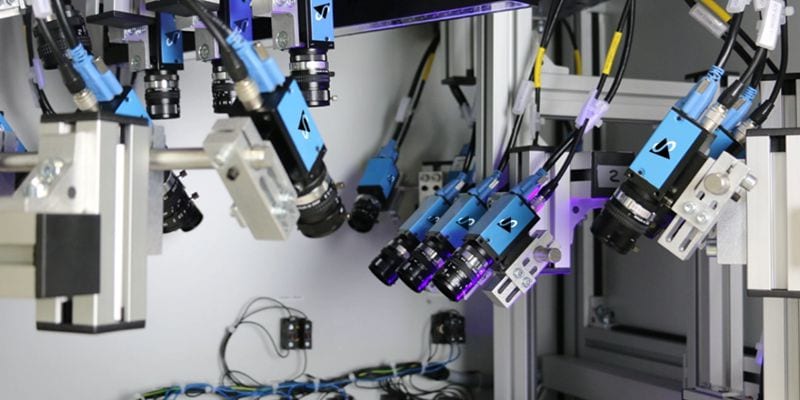
Custom automation equipment parts are non-standard mechanical components made for a specific machine, station or assembly interface. Buyers usually source them from controlled CAD and drawings, with the supplier reviewing material, geometry, quantity, finish, critical interfaces and inspection requirements before quoting.
Component families
What buyers can group into one drawing-based sourcing page
Keep related component families on one strong commercial page until GSC data and first-party evidence justify a separate URL.
Mounting plates and base plates
Drawing-controlled plates for equipment frames, stations and subassemblies, including hole patterns, pockets and mounting interfaces.
Brackets and structural supports
Custom brackets, support members, connector plates and stiffening parts shaped around a machine assembly.
Housings and covers
Machined housings, covers and enclosures whose bores, faces, fasteners and access features must match mating items.
Shafts, spacers and sleeves
Rotational or cylindrical parts defined by diameters, shoulders, grooves, threads, fits and overall assembly length.
Locating and alignment parts
Blocks, pins, stops and alignment features used to establish repeatable mechanical references in an equipment assembly.
Custom parts to drawing
Other non-standard mechanical components reviewed as a BOM or part family rather than forced into unrelated catalog categories.
Manufacturing route
Match geometry, revision and order stage to the machining plan
CNC milling, CNC turning and 5-axis access can be evaluated where the geometry supports those routes. Final process selection remains drawing- and project-specific.
Control the files
Release the CAD, 2D drawing, revision and BOM relationships that apply to the quote.
Map interfaces
Identify mounting faces, bores, hole patterns, datums and mating components that drive function.
Review the route
Evaluate machining access, workholding, material, finish and inspection requirements.
Release the order
Confirm quantity, approved files, documentation and change authority before production.
Materials and finishes
Specify the material condition and finish with the released files
Specify the required grade and condition rather than only a broad family such as aluminum, stainless steel, steel, brass, copper or engineering plastic. Material substitutions and finish interactions require buyer approval.
Use the site's metal machining, plastic machining and parts finishing routes to define the relevant manufacturing context.
Tolerance and inspection
Control critical interfaces on the drawing
Automation assemblies often depend on positional relationships between mounting faces, bores and hole patterns. Put functional requirements on the controlled drawing; do not rely on a general website tolerance to define part acceptance.
Send the datum scheme, critical characteristics and requested records with the RFQ. The quality assurance page explains how inspection requirements are scoped for an order.
Buyer decision table
Prototype release vs pilot release vs repeat low-volume release
| Decision | Prototype | Pilot | Repeat low volume |
|---|---|---|---|
| Design status | Learning revision; changes expected | Controlled candidate release | Approved release with change control |
| Workholding | Flexible setup where practical | Review repeatable locating and loading | Maintain the released setup or revalidate changes |
| Inspection focus | Critical learning interfaces | Assembly and manufacturing validation | Order-specific recurring inspection plan |
| Buyer risk | Over-specifying an unstable design | Releasing before validation is complete | Mixing revisions or changing requirements without review |
Quantity alone does not select the route. Design stability, fixtures, material, finish, inspection depth and revision control must be reviewed together on the low-volume manufacturing path.
RFQ checklist
Files and project inputs to submit
- STEP or other supported 3D CAD plus the controlled 2D drawing
- Part number, revision and BOM or assembly context
- Specified material and acceptable substitutions
- Prototype, pilot and repeat-order quantity ranges
- Finish, cosmetic surfaces and masked features
- Critical datums, interfaces and requested inspection records
- Target delivery requirement for project-specific schedule review
Drawing confidentiality
State file-handling requirements before transfer
If an NDA, access restriction or other drawing-handling requirement applies, state it before sending controlled files so the commercial team can confirm the project process. Do not assume a generic website statement overrides your purchasing or confidentiality requirements.
Supplier DFM feedback can flag machining, workholding, tolerance or inspection questions. The buyer remains the final authority for design changes and released revisions. See design and engineering verification.
Related evidence and guides
Continue from the component page to relevant manufacturing evidence
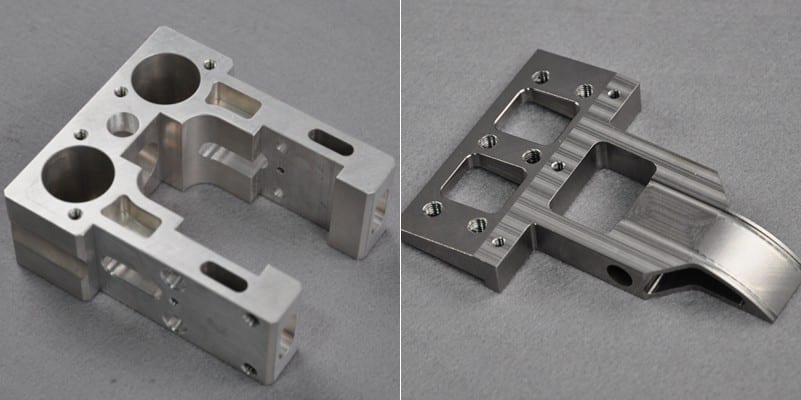
Automation bracket machining case
A published case involving machined brackets for automation equipment.
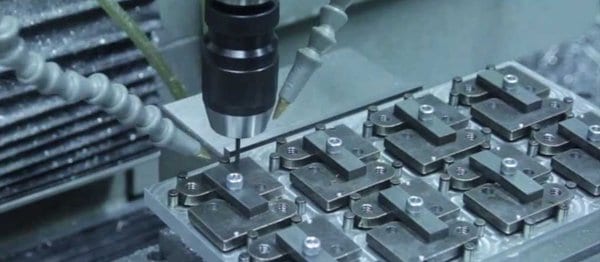
CNC machining service
Review the primary service route for drawing-based custom metal and plastic components.
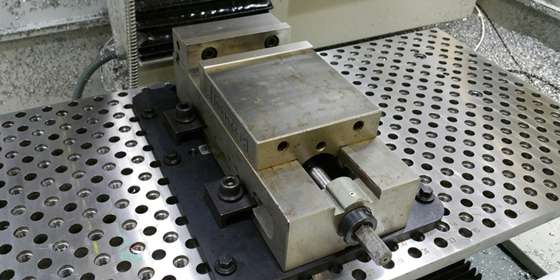
Low-volume manufacturing
Plan prototype, pilot and repeat releases without treating quantity as the only decision input.
Request a project review
Send drawings, quantity ranges, material, finish and inspection requirements.
FAQ
Questions buyers ask before requesting a quote
Can Sendot manufacture custom automation parts from STEP files?
Does Sendot build complete automation systems or production lines?
Can several automation components be quoted as one BOM?
How are prototype and repeat quantities handled?
What quality information belongs in the RFQ?
Request a quote for custom automation equipment parts
Upload the current CAD and drawings with part revisions, quantities, materials, finishes and inspection requirements.