Robotics component machining
CNC Machining for Custom Robot Parts and Structural Components
Sendot supplies drawing-based mechanical components used by robotics and automation product teams; it does not manufacture complete robots or integrate robot systems. Submit CAD and drawings for joint housings, structural links, arm brackets, base plates, actuator mounts, shafts and related parts. Material, process, quantity, finish, datum strategy and inspection requirements are reviewed for the specific project before quotation.
- Joint housings, links, brackets, plates and mounts
- Drawing-based prototype and low-volume sourcing
- Functional interface and inspection-plan review
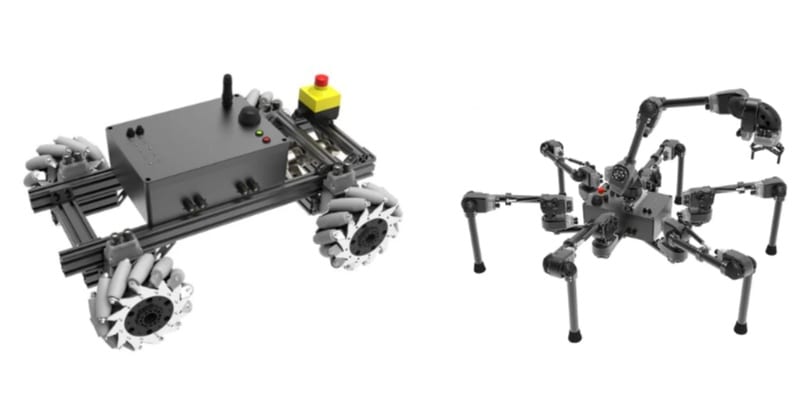
Direct answer
What robot parts can be sourced from a custom CNC supplier?
A custom CNC supplier can review drawing-defined structural and mechanical robot components such as joint housings, links, arm brackets, base plates, actuator mounts and shafts. The supplier needs the functional interfaces, material, revision, quantity, finish and inspection plan; robot performance and system qualification remain the buyer's responsibility.
Component families
What buyers can group into one drawing-based sourcing page
Specific robot-component searches are covered as strong sections until search performance and evidence support a separate page.
Robot joint housings
Housings around bearing, shaft, gearbox, motor or mounting interfaces, controlled by the buyer's functional datum scheme.
Structural links and arm parts
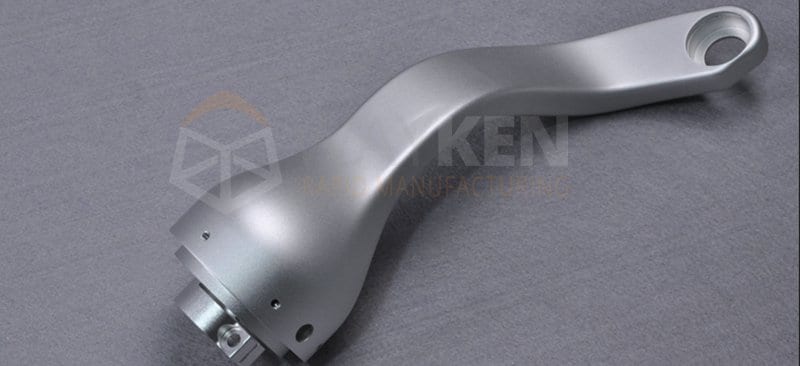
Custom links, rocker arms and structural members whose interfaces, envelope and material come from the released design.
Arm brackets and mounts
Brackets for sensors, tools, covers or other buyer-defined mechanical interfaces within a robot assembly.
Robot base plates
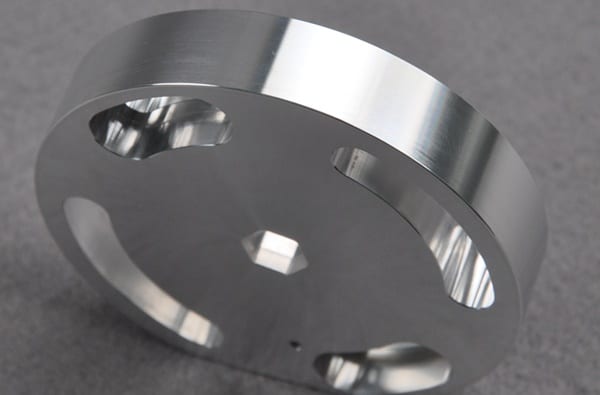
Base and mounting plates with drawing-defined faces, hole patterns, locating features and assembly relationships.
Actuator and motor mounts
Custom mechanical mounts connecting actuators or motors to the buyer's structure; component supply does not include system integration.
Shafts, spacers and covers
Rotational, spacing and protective mechanical parts specified by mating geometry, material, finish and acceptance needs.
Manufacturing route
Match geometry, revision and order stage to the machining plan
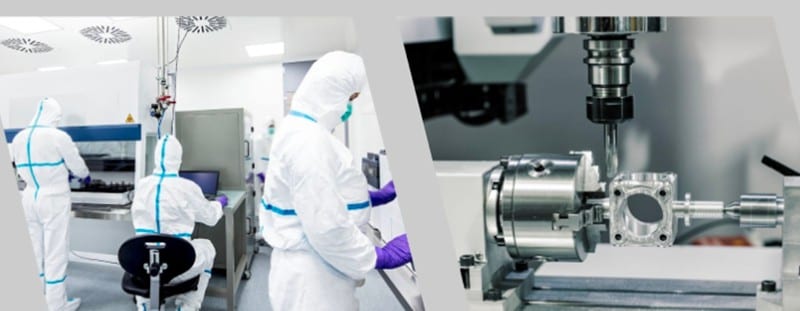
Robotics parts can combine multi-sided prismatic geometry, rotational features and interacting interfaces. CNC milling, turning and 5-axis access are evaluated against the released part rather than promised as a generic route.
Map function
Identify bearing, shaft, gearbox, motor, sensor and mounting interfaces that control assembly.
Release datums
Connect critical bores, faces, hole patterns and axes through the controlled drawing.
Review manufacturing
Evaluate setup access, workholding, material, finishing order and measurement approach.
Verify the part
Inspect the agreed characteristics and return design or system validation to the buyer.
Materials and finishes
Specify the material condition and finish with the released files
Choose the specified alloy, steel, stainless steel, copper alloy or engineering plastic from functional needs such as stiffness, mass, wear, corrosion, insulation and finish. The buyer must approve material changes.
Use the site's metal machining, plastic machining and parts finishing routes to define the relevant manufacturing context.
Tolerance and inspection
Control critical interfaces on the drawing
Joint housings and structural parts may depend on bore, face, axis and mounting-pattern relationships. Define the functional datum structure and requested inspection evidence on the drawing and purchase requirements.
Send the datum scheme, critical characteristics and requested records with the RFQ. The quality assurance page explains how inspection requirements are scoped for an order.
Buyer decision table
Prototype release vs pilot release vs repeat low-volume release
| Decision | Prototype | Pilot | Repeat low volume |
|---|---|---|---|
| Design status | Learning revision; changes expected | Controlled candidate release | Approved release with change control |
| Workholding | Flexible setup where practical | Review repeatable locating and loading | Maintain the released setup or revalidate changes |
| Inspection focus | Critical learning interfaces | Assembly and manufacturing validation | Order-specific recurring inspection plan |
| Buyer risk | Over-specifying an unstable design | Releasing before validation is complete | Mixing revisions or changing requirements without review |
Quantity alone does not select the route. Design stability, fixtures, material, finish, inspection depth and revision control must be reviewed together on the low-volume manufacturing path.
RFQ checklist
Files and project inputs to submit
- 3D CAD and controlled 2D drawing
- Part function and mating-component context
- Material grade and approved alternatives
- Critical bores, faces, fits, datums and geometric controls
- Prototype, pilot and repeat quantity ranges
- Finish sequence and masked or mating features
- Inspection characteristics, sampling and report requirements
Drawing confidentiality
State file-handling requirements before transfer
If an NDA, access restriction or other drawing-handling requirement applies, state it before sending controlled files so the commercial team can confirm the project process. Do not assume a generic website statement overrides your purchasing or confidentiality requirements.
Supplier DFM feedback can flag machining, workholding, tolerance or inspection questions. The buyer remains the final authority for design changes and released revisions. See design and engineering verification.
Related evidence and guides
Continue from the component page to relevant manufacturing evidence
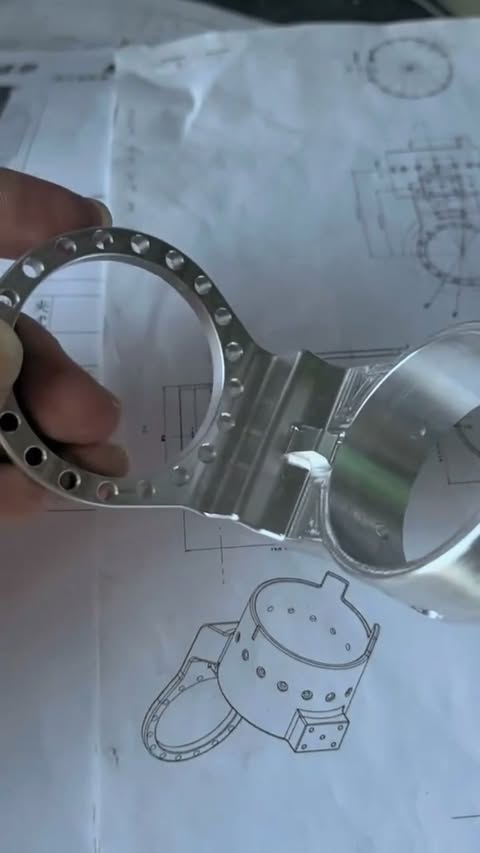
Robot-joint machining video
A current Video Detail page connecting a robot-joint drawing to a 5-axis machining route.
Modular robotics production case
A published case about project management and in-process quality control for modular robotics parts.
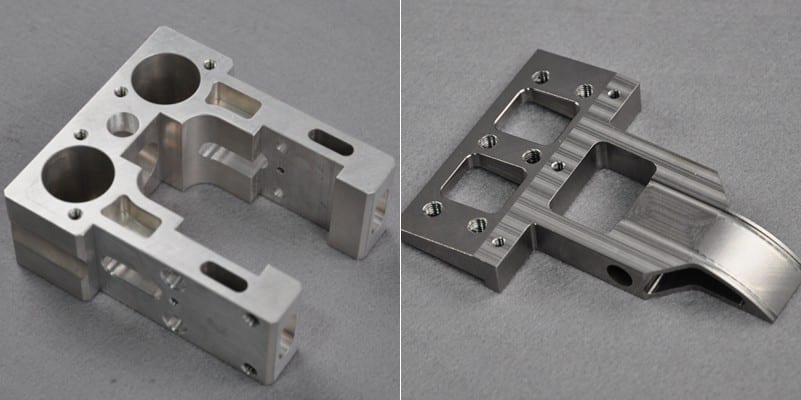
Robotics and automation CNC guide
Supporting information for teams evaluating machined mechanical components.
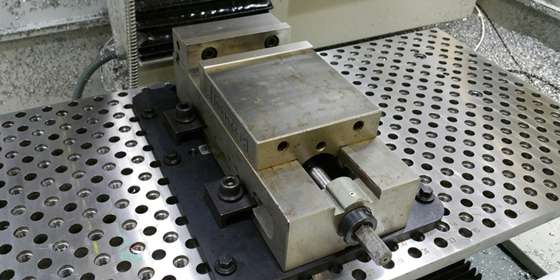
Quality assurance
Plan drawing characteristics, sampling and order-specific documentation before quotation.
FAQ
Questions buyers ask before requesting a quote
Does Sendot manufacture complete robots?
Which robot components fit a CNC machining RFQ?
What should a robot-joint drawing control?
Can prototype and repeat robot components use the same release?
Does machining a robot part make it robot- or safety-qualified?
Request a CNC review for a custom robot component
Upload the controlled model and drawing with material, quantity, finish, critical interfaces and inspection requirements.