
5-Axis CNC Precision Metal Components
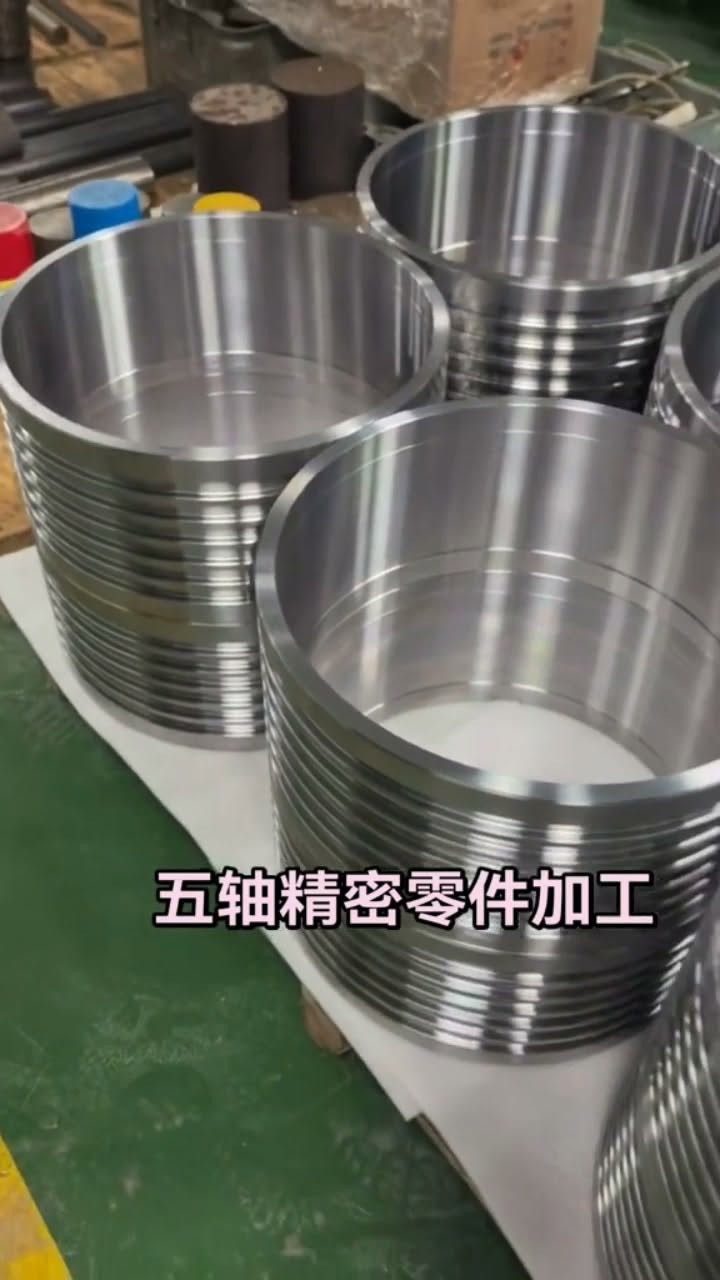
This Reel shows finished cylindrical metal components with machined surfaces and visible threaded features. The accompanying post labels the subject as 5-axis CNC and CNC machining. For a sourcing team, the useful next step is not to infer a universal part specification from the video; it is to use the visible geometry as a prompt to prepare the controlled CAD and drawing, revision, material requirement, interfaces, thread callouts, finish, quantity and inspection requirements. That project package supports a drawing-led review of a custom machined component and a project-specific quote.
Direct answer
What does this 5-axis CNC precision metal components Reel show? The Reel shows finished cylindrical metal components with machined surfaces and visible threaded features. Its post labels reference 5-axis CNC and CNC machining. It is useful as visual context for a custom-part discussion, while the controlled CAD and drawing define the actual material, dimensions, threads, finish, quantity, inspection scope and acceptance requirements for a specific project.
What the Reel shows
The visible components are cylindrical metal forms with machined surfaces and external threaded features. The image provides a useful visual starting point for a component conversation; it is not a substitute for the controlled model, drawing or released acceptance criteria.
Turn visible features into RFQ inputs
For a custom machined component, identify the current CAD and drawing revision, material requirement, mating interfaces, thread callouts, finish, quantity scenario, critical characteristics and inspection needs. These inputs let the supplier review the project definition instead of estimating from an image alone.
5-axis CNC labels and project review
The Reel post uses 5-axis CNC and CNC machining labels. For an actual component, manufacturing method is assessed against the released geometry, access, feature orientation, material, workholding needs and project requirements. Supplier feedback supports that review; buyer approval controls the released design and acceptance scope.
Related route for cylindrical geometry
Where a part's functional definition is driven by rotational geometry, compare the drawing-led requirement with CNC turning. Where non-rotational features, interfaces or multiple orientations are central, review the complete part definition through CNC Machining Services.
Explore similar manufacturing options
Move from the Reel's visual reference to the service, route and design-review path that matches the buyer-defined component.
- CNC Machining Services — Primary service for drawing-led custom metal component review
- CNC Turning — Related route to evaluate for rotational part geometry
- Design and Engineering Verification — Controlled design and DFM review path
Technical specifications and sourcing inputs
| Attribute | Current video or sourcing definition | Source and scope |
|---|---|---|
| Media format | Vertical CNC component Reel | Original Reel footage Video-specific |
| Visible subject | Finished cylindrical metal components | Original Reel footage Video-specific |
| Visible feature | Machined surfaces and external threaded features | Original Reel footage Video-specific |
| Post labels | 5-axis CNC and CNC machining | Original Reel post labels Video-specific |
| Material and finish | Define in the controlled drawing and RFQ | Buyer project package Project input |
| Dimensions, threads and acceptance | Define against the controlled drawing and agreed order scope | Buyer drawing and order inputs Project input |
Video reference vs controlled part definition
| Review need | Video reference | Controlled part definition |
|---|---|---|
| Visible form | Shows cylindrical metal components and visible features | Defines the released geometry and revision |
| Material and finish | Provides visual context only | Defines the specified material and finish requirements |
| Threads and interfaces | Helps identify questions for review | Defines callouts, datums and functional interfaces |
| Inspection and acceptance | Does not replace the project plan | Defines agreed characteristics and buyer approval requirements |
From visible component to a drawing-led CNC RFQ
- Observe: Use the Reel to identify the cylindrical form, threaded features and interfaces that need definition.
- Define: Prepare controlled CAD, drawing, revision, material, quantity, finish and inspection inputs.
- Review: Ask for manufacturing feedback on the buyer-defined part and sourcing scope.
- Approve: Keep design release, substitutions, deviations and acceptance approval with the buyer's authorized owner.
- Quote: Review the project-specific quotation against the agreed drawing and order scope.
Buyer checklist for a custom cylindrical metal component
- Current 3D CAD, controlled drawing, part number, revision and units.
- Material, finish, cosmetic-surface and handling requirements.
- Thread callouts, mating interfaces, datums and critical characteristics.
- Quantity scenario, validation needs and requested inspection scope.
- Named buyer authority for design changes, substitutions, deviations and acceptance.
When the package is ready, Upload CAD for DFM & Quote.
Frequently asked questions
What parts are visible in this CNC Reel?
Does the Reel define the exact 5-axis CNC process for my part?
What should a cylindrical metal component RFQ include?
When should CNC turning be evaluated for a cylindrical part?
Who approves a design change after DFM feedback?
Related videos and guides
- CNC Machining from 3D Model to Metal Part
- One-Setup 5-Axis CNC Aluminum Machining
- Complex Aluminum CNC Machining
- How to Write a Machining RFQ