3-Axis vs 4-Axis vs 5-Axis CNC Machining Explained
3-axis CNC machining moves the cutting tool in three linear directions (X, Y, Z); 4-axis adds one rotary axis (A) so the part can turn for machining on multiple faces; and 5-axis adds a second rotary axis (A + B or C) so the tool can approach the part from almost any angle — cutting complex, contoured parts in a single setup. More axes mean more geometry in fewer setups, higher accuracy, and higher cost.
Key takeaways
- 3-axis — X, Y, Z linear moves. Best for flat, prismatic parts; lowest cost.
- 4-axis — adds one rotary axis (A); machines multiple faces without re-fixturing.
- 5-axis — adds a second rotary axis; cuts complex contours (impellers, turbine blades) in one setup.
- Fewer setups = better accuracy (no re-clamping stack-up) but higher machine and programming cost.
This guide compares the three so you can choose. To have parts made, see our CNC machining services; for the process basics read what is CNC machining.
3-axis vs 4-axis vs 5-axis at a glance
| Factor | 3-Axis | 4-Axis | 5-Axis |
|---|---|---|---|
| Axes | X, Y, Z | X, Y, Z + A | X, Y, Z + A + B/C |
| Part complexity | Simple, prismatic | Multi-face, rotational features | Complex contours & undercuts |
| Setups | Multiple | Fewer | Often one |
| Accuracy | Good | Better | Best (one datum) |
| Cost | Lowest | Medium | Highest |
| Typical parts | Plates, brackets, housings | Cams, shafts, manifolds | Impellers, blades, molds |
3-axis CNC machining
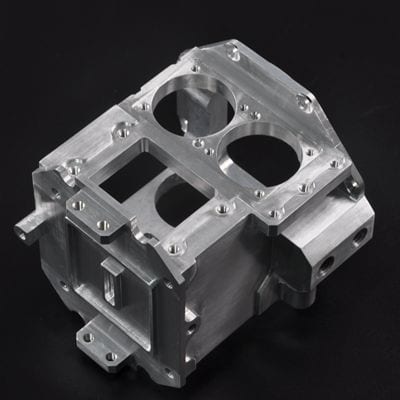
A 3-axis machine moves the tool (or table) along the X, Y, and Z linear axes. It is the workhorse of the shop — simple to program, fast, and economical for flat and prismatic parts such as plates, brackets, and enclosures. The limitation is access: features on multiple faces need re-fixturing, and deep pockets or undercuts may be unreachable. See our CNC milling services.
4-axis CNC machining
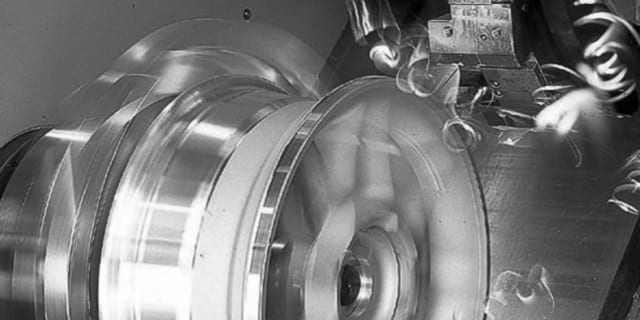
A 4-axis machine adds a rotary A axis (rotation about X). The part can be turned to present different faces to the tool without unclamping, which reduces setups and improves consistency. It suits parts with features around a cylinder — cams, shafts, and manifolds — and enables continuous machining like engraving around a curved surface.
5-axis CNC machining
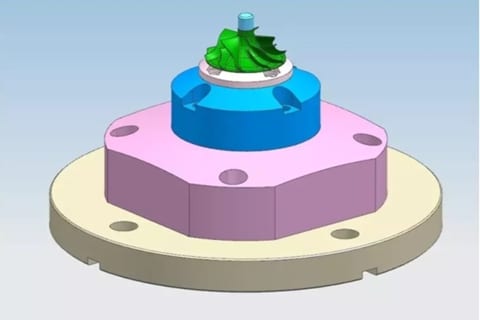
A 5-axis machine adds a second rotary axis (A + B, or A + C), letting the tool approach the workpiece from virtually any direction. Complex, organic geometries — impellers, turbine blades, medical implants, and mold cores — are machined in a single setup. Because everything references one datum, 5-axis holds the tightest true position and eliminates the stack-up error of re-clamping. Read more on 5-axis CNC machining.
How to choose
- Flat/prismatic part, tight budget? Choose 3-axis.
- Features on several faces or around a cylinder? Choose 4-axis to cut setups.
- Complex contours, undercuts, or the tightest tolerances? Choose 5-axis (one setup).
- Not sure? Send your CAD and we will recommend the most cost-effective approach.
Tolerances on drawings usually follow the ISO 2768-1 general tolerances standard and, for geometric callouts, ASME Y14.5 GD&T — 5-axis is often required to hold the tighter geometric tolerances.
Frequently asked questions
Is 5-axis always better than 3-axis?
What is the difference between 3+2 and full 5-axis?
Does 5-axis machining cost more?
Which axis count do I need for my part?
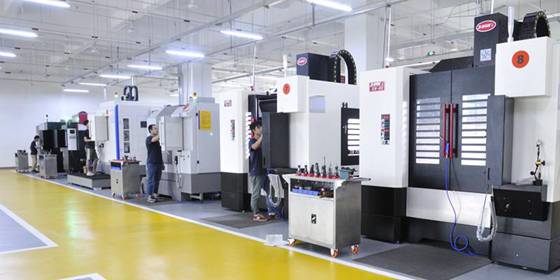
Need complex parts machined? Sendot Technology runs 3-, 4-, and 5-axis CNC machining for metal and plastic parts. Request a quote.
Manufacturing next step
Apply this guidance to your part
Continue to the relevant service page for process scope and buyer inputs. If your design is ready, send the current files for engineering review and quotation.
Related manufacturing resources
Continue with the process or project stage most relevant to this topic: