Injection Molding Materials: ABS vs PP vs PC vs Nylon
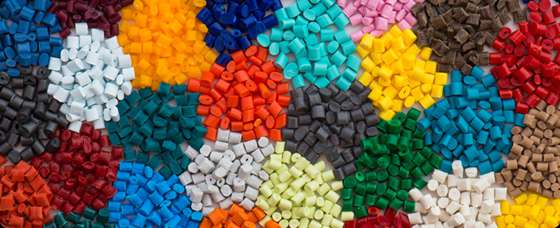
ABS is the rigid, tough, easy-to-mold all-rounder; PP (polypropylene) is flexible with excellent chemical and fatigue resistance (great for living hinges); PC (polycarbonate) is clear with high impact and heat resistance; and nylon (PA) is strong and wear-resistant for mechanical parts. Here's how the four most common injection molding resins compare so you can pick the right one.
See our rapid tooling & injection molding service, or the injection molding design guide.
Key takeaways
- ABS — rigid, impact-tough, easy to mold and finish; consumer & electronic housings.
- PP — lightweight, flexible, excellent chemical & fatigue resistance; living hinges, containers, automotive.
- PC — optically clear, very high impact and heat resistance; lenses, guards, enclosures.
- Nylon (PA6/PA66) — strong, wear- and chemical-resistant; gears, bushings, mechanical parts (must be dried before molding).
- Blends and glass-filled grades (e.g. PC/ABS, 30% GF nylon) tune strength, heat and cost.
- Not sure which resin? Our engineers advise with your quote.
Injection molding materials compared
| Material | Key properties | Best for | Notes |
|---|---|---|---|
| ABS | Rigid, impact-resistant, good finish | Housings, electronics, consumer parts | Easy to mold; not for outdoor UV without additives |
| PP | Flexible, chemical & fatigue resistant, low density | Living hinges, containers, automotive | Great for snap-fits/hinges; lower stiffness |
| PC | Clear, very high impact & heat resistance | Lenses, guards, enclosures | Tough & transparent; must be dried; higher cost |
| Nylon (PA) | Strong, wear- & chemical-resistant | Gears, bushings, mechanical parts | Absorbs moisture — dry before molding; often glass-filled |
ABS (Acrylonitrile Butadiene Styrene)
ABS is the everyday workhorse — rigid, impact-tough, dimensionally stable and easy to mold, paint, plate and glue. It's the default for consumer product housings, electronic enclosures and toys. It isn't naturally UV- or weather-stable, so outdoor parts need additives or a different resin.
PP (Polypropylene)
PP is light, flexible and has outstanding chemical and fatigue resistance — which makes it the go-to for living hinges (it can flex millions of times without breaking), containers, closures and automotive parts. It's cheaper than most engineering resins but less stiff and harder to bond/paint.
PC (Polycarbonate)
PC is optically clear with exceptional impact strength and good heat resistance, used for lenses, machine guards, and rugged transparent enclosures. It must be dried before molding, costs more, and can be notch-sensitive — the PC/ABS blend trades a little clarity for easier molding and lower cost.
Nylon / PA (Polyamide)
Nylon (PA6, PA66) is strong, tough and wear- and chemical-resistant, ideal for gears, bearings, bushings and structural mechanical parts. It absorbs moisture, so it must be dried before molding and its dimensions shift slightly with humidity. Glass-filled grades (e.g. 30% GF) add stiffness and heat resistance for demanding parts.
How to choose
- General rigid housing, easy to finish: ABS
- Chemical resistance, living hinge, low cost: PP
- Clarity + high impact/heat: PC (or PC/ABS)
- Strength, wear, mechanical parts: nylon (glass-filled if needed)

Frequently asked questions
What is the most common injection molding material?
Which injection molding plastic is strongest?
What plastic is best for a living hinge?
Why does nylon need to be dried before molding?
What is PC/ABS?
Sources & further reading: MatWeb — thermoplastic properties · ISO 2768 general tolerances.
Manufacturing next step
Apply this guidance to your part
Continue to the relevant service page for process scope and buyer inputs. If your design is ready, send the current files for engineering review and quotation.
Related manufacturing resources
Continue with the process or project stage most relevant to this topic: