
CNC Machining a Packaging-Machine Tooling Fixture
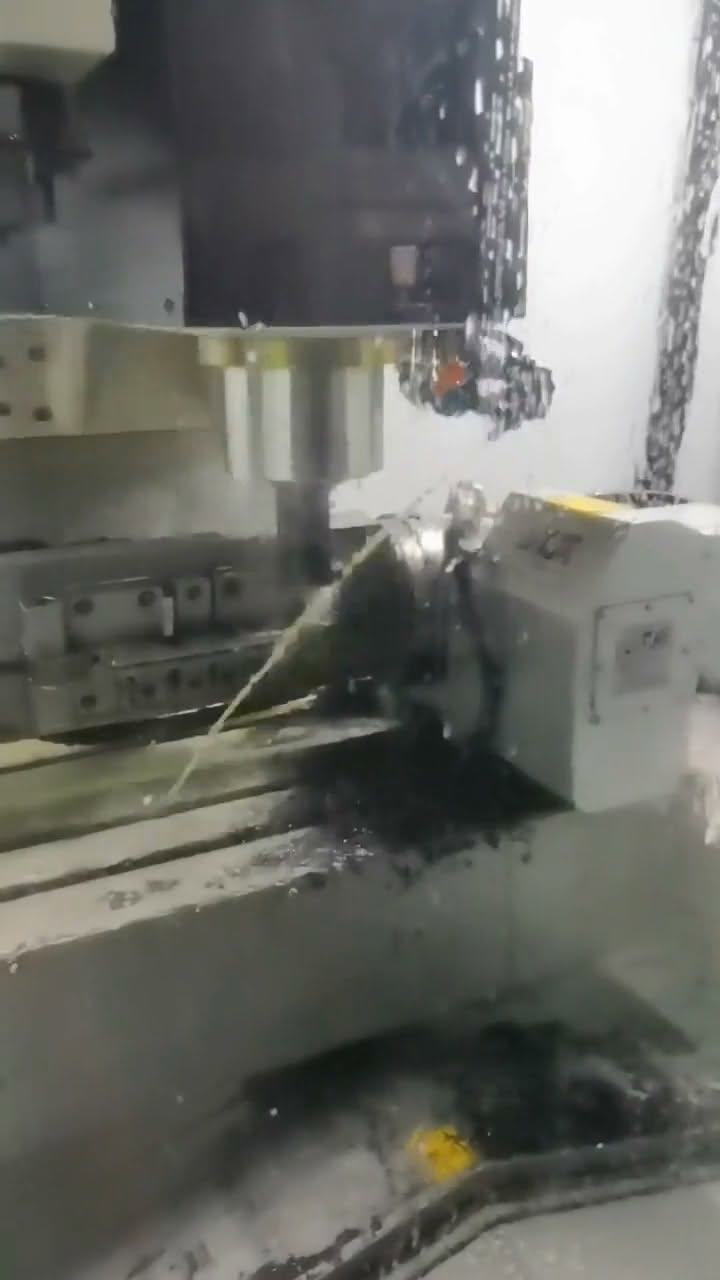
This Reel shows CNC machining of a tooling-fixture component described for packaging equipment. The cutting footage provides process context, but fixture sourcing begins with interfaces: where the component locates, how it clamps, what it clears and which features control alignment. Buyers should provide the controlled assembly context, part model, drawing revision, material, quantity, finish and inspection requirements. The supplier can then review access, datum transfer, workholding and manufacturability. Any proposed geometry change, deviation or acceptance adjustment still requires the buyer's documented approval before production release.
Direct answer
What information is needed to quote a packaging-machine tooling fixture? Provide the controlled part model and drawing, relevant assembly context, locating and clamping interfaces, material, quantity, finish, critical datums and inspection deliverables. This lets the supplier review tool access, workholding and manufacturability while keeping design release, deviations and final acceptance under the buyer's documented approval process.
What the packaging-machine fixture Reel shows
The video shows a rotating cutter working on a tooling-fixture component inside a CNC machine. The original caption identifies the application as packaging-machine tooling. Buyers evaluating jig and fixture component machining should connect that visible process to controlled assembly interfaces.
Why fixture interfaces lead the RFQ
A fixture part can only be reviewed in relation to its locating, clamping, clearance and mounting functions. Include assembly context and interface requirements with the drawing, then use design and engineering verification to record questions without transferring final design authority away from the buyer.
Explore similar manufacturing options
Use these routes for fixture-component design review, machining, and low-volume sourcing:
- Jig and Fixture Components — Primary component service
- CNC Machining Services — Primary manufacturing service
- Low-Volume Manufacturing — Related production application
- Design and Engineering Verification — Interface and DFM review
Technical specifications and sourcing inputs
| Attribute | Current video or sourcing definition | Source and scope |
|---|---|---|
| Process shown | CNC machining | Original Reel description and footage Video-specific |
| Component context | Packaging-machine tooling fixture | Original Reel description Video-specific |
| Cutting stage | Rotating tool machining a fixture component | Original Reel footage Video-specific |
| Material and quantity | Define in RFQ and drawing | Buyer project package Project input |
| Interfaces and critical datums | Define from assembly and controlled drawing | Customer design data Project input |
| Finish and inspection deliverables | Agree per quote and order | Buyer and supplier agreement Project input |
Isolated fixture part vs interface-controlled RFQ
| Sourcing need | Isolated part model | Interface-controlled RFQ |
|---|---|---|
| Part geometry | Supports feature review | Adds the controlled revision and drawing |
| Equipment fit | Provides limited assembly context | Defines locating, clamping, mounting and clearance interfaces |
| Manufacturing plan | Supports an initial access review | Adds material, quantity, finish and critical datums |
| Acceptance | Leaves project evidence open | Records inspection characteristics and ordered deliverables |
Fixture-component sourcing flow
- Contextualize: Identify the component's locating, clamping, mounting and clearance functions.
- Release: Provide controlled CAD, drawing, revision, material, quantity and finish.
- Review: Evaluate access, workholding, datums, critical interfaces and inspection needs.
- Approve: Route design changes and deviations through the buyer's approval process.
- Produce: Machine and verify the part against agreed order requirements.
What to include in a fixture-component RFQ
- Controlled part model, drawing revision and relevant assembly context.
- Locating, clamping, mounting and clearance interfaces.
- Material, quantity, finish and edge-condition requirements.
- Critical datums, threads, fits and replaceable wear interfaces.
- Inspection characteristics and records required with the order.
Identify which dimensions control equipment fit so the supplier can distinguish manufacturing feedback from buyer-approved design intent.
Frequently asked questions
Why should assembly context accompany a fixture-part RFQ?
Which fixture dimensions should the drawing prioritize?
Can the supplier change a fixture design during DFM?
What material information is needed for the quote?
What inspection requirements should be included?
Related videos and guides
- Pneumatic Clamping Fixture for Long Parts
- CNC Machining from 3D Model to Metal Part
- Deep-Cavity Alloy Steel Housing Machining
- How to Write a Machining RFQ