Vietnam vs Mexico vs China for Machined Parts (2026)
TL;DR
For a North-American buyer, Mexico can be a strong fit when replenishment distance, regional coordination and a relatively straightforward part family matter most. China can be a strong fit when a part needs several linked processes, specialised material or finish choices, and a supplier ecosystem that can be qualified together. Vietnam can be a useful diversification candidate when the chosen factory already makes comparable parts and the buyer verifies its process chain. No country wins by default: choose against the drawing, the required evidence, the delivery model and the total landed risk.
- Start with the part: geometry, material, tolerance, finish and linked processes.
- Then test the factory: comparable work, inspection evidence, change control and a sample route.
- Treat trade rules separately: origin and qualification are product-specific, not a country shortcut.
This comparison is for a buyer with an active RFQ for a machined or fabricated metal part—not for a generic debate about where manufacturing is "best." Vietnam, Mexico and China each contain capable suppliers, and each choice can be wrong if the supplier has not made a part like yours. The useful question is: which regional supplier base gives this drawing the clearest path from DFM review to verified delivery?
Use the framework below with your engineering, sourcing and logistics teams. If you are comparing an offshore quote with a domestic option too, first read our domestic vs overseas CNC cost framework; it keeps unit price, freight, inventory and qualification work in the same decision.
Quick answer: match the region to the part and the operating model
A practical regional comparison has two layers. The first is technical: can the prospective supplier reliably make the geometry, material, finish and inspection package on your drawing? The second is operational: can your team qualify, communicate with and replenish from that supplier in a way that fits the programme?
| Decision factor | Mexico can be a good fit when… | Vietnam can be a good fit when… | China can be a good fit when… |
|---|---|---|---|
| Buyer operating model | North-American coordination and regional replenishment are central to the programme. | You are deliberately diversifying and have identified a factory with relevant reference work. | You need to coordinate several processes or suppliers around one part family. |
| Part profile | The exact supplier has demonstrated the required machining, fabrication or assembly work. | The exact supplier has demonstrated the specified material, dimensions and finish—not merely a similar commodity part. | The part needs an integrated path across machining, tooling, finishing, inspection or assembly. |
| Qualification focus | Confirm drawings, material traceability, inspection format and the actual export route. | Confirm the full process chain, subcontracted operations and sample/FAI evidence. | Confirm process ownership, revision control, finish controls and independent inspection evidence. |
| Trade and origin | Check the product-specific rules of origin and your broker's interpretation; location alone does not establish preference. | Check origin, materials and documentary requirements for the destination market. | Check classification, origin and any applicable destination-country measures with a broker. |
This is intentionally a decision matrix, not a league table. The U.S. Department of Commerce describes advanced manufacturing activity in Mexico across aerospace, automotive, medical equipment and electronics, while its current Vietnam guide describes a growing role in diversified supply chains. Those are useful market signals, not proof that a particular factory is qualified for your part. Review the Mexico advanced manufacturing guide and the Vietnam market overview alongside factory-specific evidence.
Compare the manufacturing path, not a country headline
1. Map the process chain before requesting a final quote
Break the part into every operation that affects its result: material procurement, rough machining, heat treatment if specified, finishing, critical-feature machining, cleaning, inspection and packing. A simple turned bushing may be easy to qualify in many locations. A deep-cavity housing with several tight relationships, cosmetic finish and multiple bought-in components creates more interfaces to control.
Ask every candidate supplier the same questions: Which operations are in-house? Which are subcontracted? Who owns the revision-controlled work instruction? What inspection report can you provide for the drawing's critical characteristics? The answer should be comparable across Mexico, Vietnam and China.
2. Put tolerance and finish requirements in the RFQ, not in a follow-up email
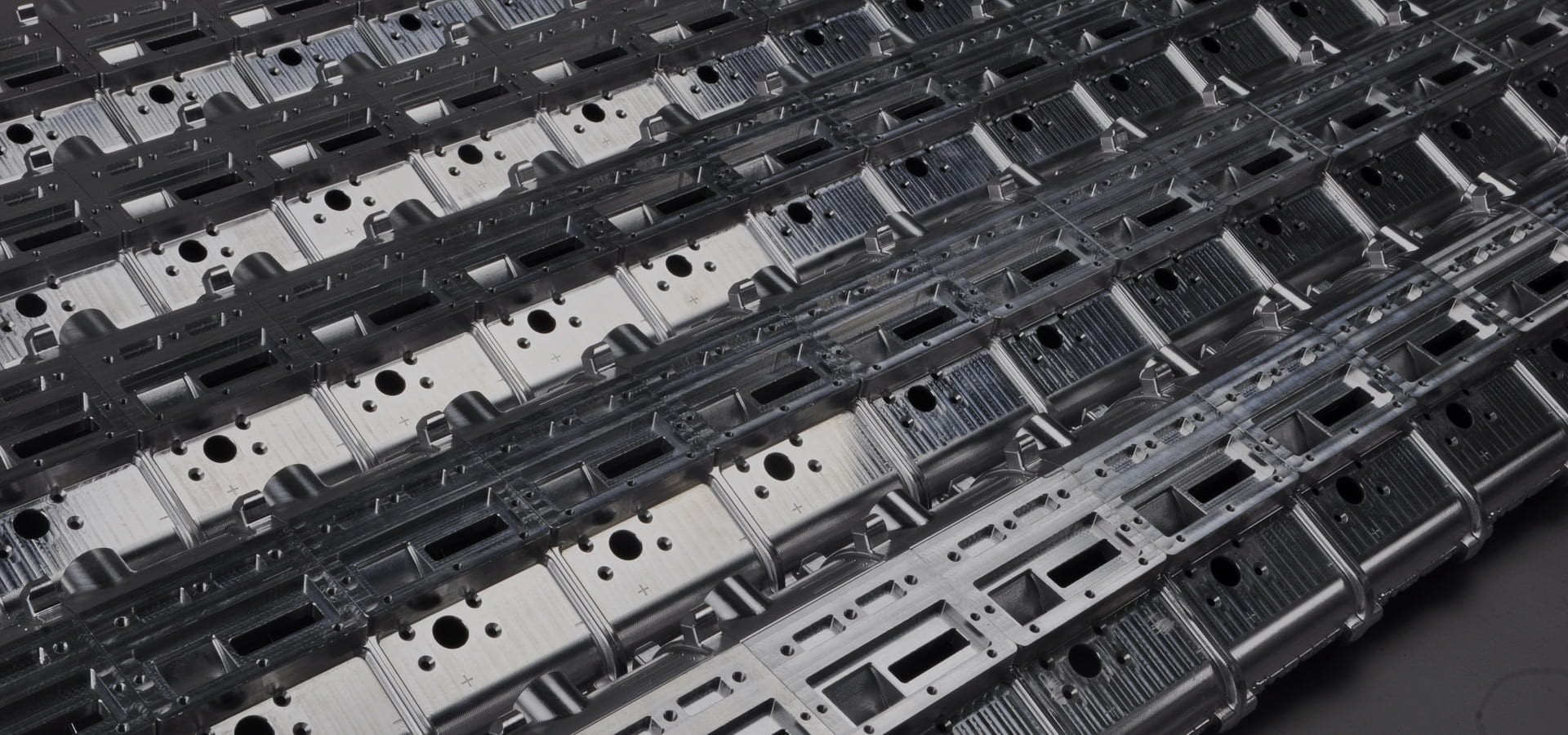
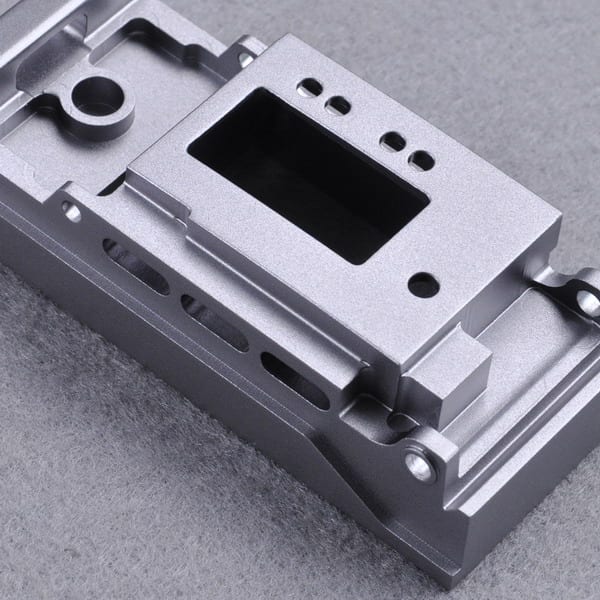
Do not ask a supplier whether it can hold "tight tolerances." Identify the exact critical dimensions, datum scheme, material grade, finish callout, cosmetic zones and inspection method. A supplier may be a very good fit for brackets, turning work or fabricated assemblies but not for your multi-axis surface, sealing face or cosmetic anodised enclosure. That is not a regional weakness; it is a scope question.
For a new CNC programme, a documented CNC machining review and first-article route are more meaningful than a broad capability claim. Sendot's quality process includes RFQ review, in-process controls and final inspection; specify the reporting and acceptance requirements you need before a quote is compared.
3. Separate physical proximity from total response time
For North-American buyers, Mexico may reduce some coordination and transport distance. That does not remove the need to confirm production queue, inspection release, carrier hand-off and border procedures for the actual shipment. Conversely, a more distant source can be the right option when the part's process chain is stable and the supplier has the materials, finishing and inspection path already proven. Ask for a milestone plan rather than accepting an unqualified lead-time promise.
Do not treat USMCA as an automatic outcome of sourcing in Mexico. The agreement has rules of origin and product-specific requirements; the U.S. Trade Representative publishes the agreement and supporting guidance, and an importer or broker should confirm whether a particular product qualifies. See the official USMCA overview.
A 5-step RFQ decision process
- Classify the part. List material, tolerance bands, surface finish, critical interfaces, annual volume, target destination and any required documentation.
- Screen by comparable work. Ask for evidence of comparable geometry and process scope, not only a machine list or a country brochure.
- Request the same evidence package. Compare DFM feedback, sample plan, first-article inspection format, material documentation where specified, revision control and nonconformance handling.
- Model the operating risk. Price production, freight, inventory buffer, qualification effort and the cost of a late or rejected lot together. Our landed-cost guide explains why a quote is not a total cost.
- Start with a controlled trial. Use a representative sample or first article before volume release, then preserve the approved drawing revision and inspection baseline.
When each option deserves a closer look
Consider Mexico first when your North-American programme values geographic proximity, regional coordination or more frequent replenishment, and you have identified a supplier whose demonstrated process matches the part. Mexico's industrial base serves demanding sectors, but qualification still needs the same drawing-level and documentation checks as any other source.
Consider Vietnam first when diversifying the supply base is an objective and the candidate factory can show comparable parts, a transparent subcontracting path and a credible inspection plan. Vietnam's place in diversified supply chains is a valid reason to research it; it is not a reason to lower requirements for materials, finishes or change control.
Consider China first when your part benefits from coordinating machining with tooling, finishing, inspection, assembly or several specialist suppliers. The commercial advantage is the ability to qualify an integrated process chain, not a claim that every Chinese supplier is right for every tolerance or product category. A China+1 strategy can also preserve a proven primary while creating a second source; see how to structure China+1 qualification evidence.
Questions to put on every supplier scorecard
- Which operations are completed by your own team, and which are externally controlled?
- What comparable material, tolerance and finish examples can you document?
- Which drawing revision drives the job traveller and inspection report?
- How do you handle a material substitution, process change or nonconforming lot?
- What packed dimensions, shipping hand-off and Incoterm assumptions are in the quote?
These questions let a buyer compare Mexico, Vietnam and China fairly. They also prevent a false choice between "cheap" and "near." The better supplier is the one whose evidence and operating model fit the programme.
Get a comparable CNC machining quote
Send a CAD file, material, finish, tolerances, quantity, destination and required inspection documents through our request-a-quote form. We will review manufacturability and give you a documented basis to compare a CNC machining route against other qualified options—without treating a country label as a substitute for engineering evidence.
Frequently asked questions
Is Mexico, Vietnam or China best for machined parts?
Does sourcing from Mexico automatically qualify a part for USMCA treatment?
What should I compare besides unit price?
How do I qualify a new overseas machine shop?
When is China+1 better than moving all production?
Manufacturing next step
Apply this guidance to your part
Continue to the relevant service page for process scope and buyer inputs. If your design is ready, send the current files for engineering review and quotation.
Related manufacturing resources
Continue with the process or project stage most relevant to this topic: