Small-Batch CNC Machining for Hardware Startups

TL;DR
Small-batch CNC machining fits a hardware startup when the team needs production-intent material and geometry, but the design or demand is not yet stable enough for dedicated tooling. Choose the release stage by design maturity, validation purpose, material, finish and inspection needs—not by a presumed minimum order. A useful RFQ states quantity ranges, revision, material, finish and required evidence.
- Prototype batches answer fit, function and integration questions while the design can still change.
- Pilot batches test a released design and its manufacturing route before repeat releases.
- Repeat small batches need controlled revisions, agreed inspection and a realistic demand pattern.
- Send CAD, a dimensioned drawing, quantity bands, finish and inspection requirements to start a scoped review.
For a hardware startup, the manufacturing decision is rarely just “CNC or no CNC.” The real question is whether the next release needs production-grade material and geometry, how likely the design is to change, and what evidence the team needs before asking for another build. Small batch CNC machining can bridge engineering learning and early market validation without forcing a startup to treat an unproven design as a final production program. This buying guide separates prototype, pilot and repeat small-batch decisions, then turns those decisions into an RFQ package a supplier can review without guessing.
Direct answer: when is small-batch CNC machining right for a startup?
Small-batch CNC machining is usually worth considering when a startup needs functional parts in the intended material, has a defined release purpose, and expects some design or demand uncertainty to remain. It is less suitable when the design is only a visual concept, when a stable high-volume program clearly justifies dedicated tooling, or when the required process or qualification is outside the agreed supplier scope.
Which hardware startup stages fit CNC machining?
A prototype, pilot and repeat small batch are different purchasing decisions even when the same CNC process makes the parts. The label matters because it changes what the supplier should review, what the buyer should inspect and how much design flexibility remains.
| Release stage | Design state | Primary purpose | Workholding and tooling decision | Inspection focus | Buyer risk to manage |
|---|---|---|---|---|---|
| Prototype batch | Likely to change after fit, function or integration learning | Learn whether the part works in the assembly and application | Prefer flexible setups and avoid locking in dedicated tooling before the design earns it | Critical interfaces, fit, function and visible defects that affect the test | Paying to optimize a design that will be revised |
| Pilot batch | Released for a controlled build, with open validation questions | Test the manufacturing route, assembly and early user or field feedback | Confirm whether the proposed fixture, sequence and finishing route are repeatable enough for the next release | Critical characteristics, drawing compliance and agreed sample or first-article evidence | Confusing a successful pilot with permanent production approval |
| Repeat small batch | Stable enough for scheduled releases, with revision control | Supply early demand, service parts or a high-mix product family | Use repeatable workholding where justified, but review changes before reusing the route | Released inspection plan, lot identity and any agreed delivery records | Letting a forecast or undocumented change silently redefine the job |
How quantity, design stability and material change the decision
There is no universal “small batch” threshold that decides the process for every startup. The useful quantity is the quantity pattern: how many parts are needed now, whether another release is likely, and whether the same revision will be repeated. A single immediate build with frequent changes has a different risk profile from a recurring release of a stable part.
- Quantity pattern: Give the supplier an expected range or release scenario rather than only one optimistic number. This lets the quote distinguish setup, material and finishing assumptions without inventing a minimum.
- Design stability: Flag features that are still being tested. A supplier can comment on manufacturability, but the buyer remains responsible for approving the design revision.
- Material: State the grade or the performance requirement. Substituting a different material can affect strength, weight, thermal behavior, finish and inspection.
- Surface finish: Separate cosmetic surfaces from functional or sealing surfaces. “Good appearance” is not a complete finish specification.
- Inspection: Identify critical dimensions, datum relationships, threads, fits and the evidence needed at delivery. Do not wait until after production to define what “acceptable” means.
When should a startup avoid early hard tooling or dedicated fixtures?
Early hard tooling or a dedicated fixture can be the wrong commitment when the design is still learning, the part family is changing, or the demand forecast is too uncertain to support the investment. That does not make tooling bad; it means the timing should follow design release and programme evidence. Ask for the supplier’s manufacturability and workholding suggestions, then compare the cost and change implications before approving a route.
For plastic parts or a product moving toward molded production, review the options on rapid tooling services. For a broader process decision, the low-volume manufacturing page explains how CNC machining, tooling, casting and finishing can fit different release needs. The startup’s RFQ should still make the current part and current purpose explicit.
What should a hardware startup include in an RFQ?
A complete RFQ reduces back-and-forth and gives the supplier a fair basis for a conditional quote. Use this checklist before sending files to a CNC machining service:
- Part identity: part number, assembly context and whether the request is prototype, pilot or repeat small batch.
- Quantity bands: immediate quantity, possible follow-up quantity and whether the releases are identical or revision-dependent.
- File control: current CAD model, dimensioned 2D drawing, BOM if relevant, revision letter or number and a clear superseded-file rule.
- Material: named grade where known, or the required functional properties if engineering input is requested.
- Finish: coating, anodizing, blasting, polishing, masking, color and the surfaces where appearance or adhesion matters.
- Inspection: critical dimensions, GD&T, sampling or first-article expectations, measurement method and documents required with shipment.
- Commercial and logistics inputs: destination, packaging needs, requested release timing and any change or approval gate before production.
For the file side of the request, see CNC quote file formats. For design questions that may change the route, use the design for manufacturing guide before treating a supplier suggestion as an approved revision.
How to make the small-batch decision without MOQ pressure
Instead of asking only “what is your MOQ?”, ask what the quoted release assumes. A supplier may be able to review a prototype, a pilot or a repeat lot, but the commercial answer depends on the part, material, finishing, inspection and order conditions. Compare at least two release scenarios: the smallest learning build that answers the engineering question, and the next build that would be justified if the design passes.
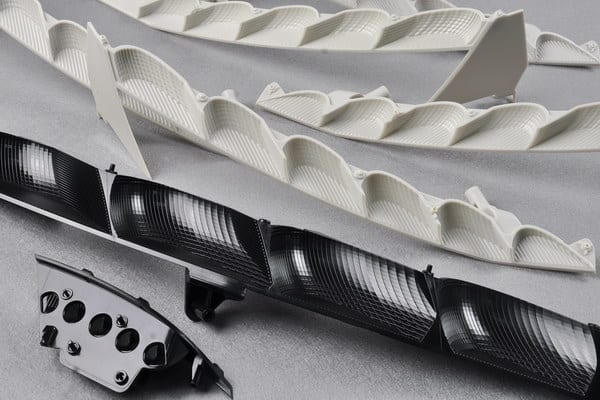
For complex parts, ask the supplier to separate three things in its response: manufacturability suggestions, assumptions used for the quote and items that need buyer approval. This makes it easier to revise the design without treating a suggestion as a mandatory requirement or a quote as proof that the design is finally released.
If the startup is building its own release and supplier-control routine, the official ISO 9001 overview is a useful reference for quality-management principles. It does not replace the project’s drawing, inspection plan or buyer approval.
Small-batch CNC machining process for a startup
- Define the learning or supply goal: write what the next release must prove or deliver.
- Freeze the RFQ package: identify the model, drawing, revision, material, finish, quantity scenario and inspection request.
- Review manufacturability: collect supplier questions about access, workholding, tolerances, finishing and evidence.
- Approve the build scope: the buyer confirms the released design and the commercial assumptions before production.
- Inspect and learn: compare delivered parts and agreed records with the released requirements, then decide whether to revise, pilot or repeat.
Frequently Asked Questions
Frequently Asked Questions
Is small-batch CNC machining suitable for an early hardware prototype?
How do I avoid MOQ problems when ordering prototype CNC parts?
Should a startup order a prototype, pilot batch or repeat small batch?
What should I send for a prototype CNC machining service quote?
When should a startup consider rapid tooling instead of CNC machining?
Next step: request a scoped small-batch review
Sendot Technology can review a startup RFQ around the current drawing, quantity scenario, material, finish and inspection needs. Use the request a quote page to submit the files and state whether the request is a prototype, pilot or repeat small batch. For the next planning question—how to control the handoff from prototype into repeat production—read Prototype to Production: Scaling With One Manufacturing Partner.
Scope note: Supplier feedback can inform the decision, but the hardware buyer approves the released design, requirements and change path for its product.
Manufacturing next step
Apply this guidance to your part
Continue to the relevant service page for process scope and buyer inputs. If your design is ready, send the current files for engineering review and quotation.
Related manufacturing resources
Continue with the process or project stage most relevant to this topic: