SLS vs SLA vs FDM: Which 3D Printing Process to Choose
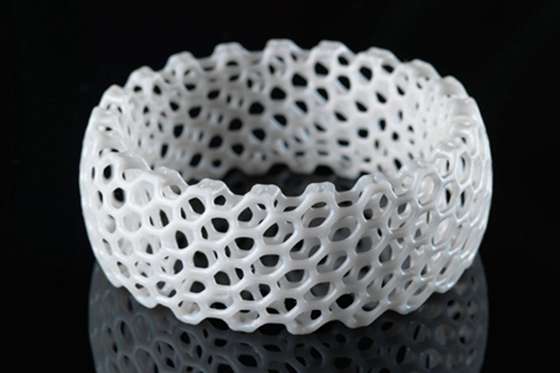
SLS, SLA, and FDM are the three most common 3D printing processes: SLS fuses nylon powder with a laser for strong functional parts, SLA cures liquid resin for smooth, highly detailed parts, and FDM extrudes melted plastic filament for low-cost prototypes. The right choice depends on whether you need strength, detail, or low cost.
Key takeaways
- SLS → strong, functional nylon parts, no supports, complex geometry and batches.
- SLA → smoothest surface and finest detail; resin parts can be brittle.
- FDM → cheapest and fastest for basic prototypes; visible layer lines, weaker along layers.
- Choose by priority: strength → SLS, detail/finish → SLA, cost → FDM.
This guide compares the three processes so you can choose. For a deep dive on powder-bed printing, see our SLS 3D printing guide, or order parts with our 3D printing services.
SLS vs SLA vs FDM at a glance
| Factor | SLS | SLA | FDM |
|---|---|---|---|
| How it works | Laser fuses nylon powder | Laser/light cures liquid resin | Extrudes melted filament |
| Materials | Nylon PA12/PA11 | Photopolymer resins | PLA, ABS, PETG, nylon |
| Strength | High, isotropic | Moderate, can be brittle | Moderate, weak along layers |
| Accuracy & detail | Good | Excellent (finest) | Fair |
| Surface finish | Slightly grainy/matte | Very smooth | Visible layer lines |
| Supports | None (powder bed) | Required | Required |
| Cost | Medium | Medium | Lowest |
| Best for | Functional parts, batches | Detail, smooth cosmetic parts | Cheap, fast prototypes |
SLS (Selective Laser Sintering)
SLS uses a laser to fuse nylon powder layer by layer. Because the surrounding powder supports the part, SLS prints complex geometries and overhangs with no support structures, and you can nest many parts in one build. Parts are strong and isotropic, making SLS the best choice for functional, end-use parts and small production runs. Read more in our SLS guide.
SLA (Stereolithography)
SLA cures liquid photopolymer resin with a laser or light source, producing the smoothest surfaces and finest detail of the three. It is ideal for cosmetic models, master patterns, and parts with fine features. The trade-off is that standard resins can be brittle and may degrade in UV over time.
FDM (Fused Deposition Modeling)
FDM extrudes melted thermoplastic filament (PLA, ABS, PETG) layer by layer. It is the cheapest and most accessible process, great for quick form-and-fit prototypes and jigs. Parts show visible layer lines and are weaker along the layer direction, so it is less suited to fine detail or high-strength end-use parts.
How to choose: SLS vs SLA vs FDM
- Need strength and function? Choose SLS (nylon, no supports, isotropic).
- Need fine detail or a smooth cosmetic finish? Choose SLA.
- Need the lowest cost for a basic prototype? Choose FDM.
- Need metal or a few hundred plastic parts? Consider metal 3D printing or urethane vacuum casting instead.
Frequently asked questions
Which is stronger, SLS, SLA, or FDM?
Which 3D printing process has the best surface finish?
Which is cheapest?
Which process is best for functional end-use parts?
Not sure which process fits your part? Upload your CAD to Sendot Technology and we will recommend SLS, SLA, FDM, or metal printing with a quote on 3D printing services. Request a quote.
Manufacturing next step
Apply this guidance to your part
Continue to the relevant service page for process scope and buyer inputs. If your design is ready, send the current files for engineering review and quotation.
Related manufacturing resources
Continue with the process or project stage most relevant to this topic: