What Is the MOQ for CNC Machined Parts?
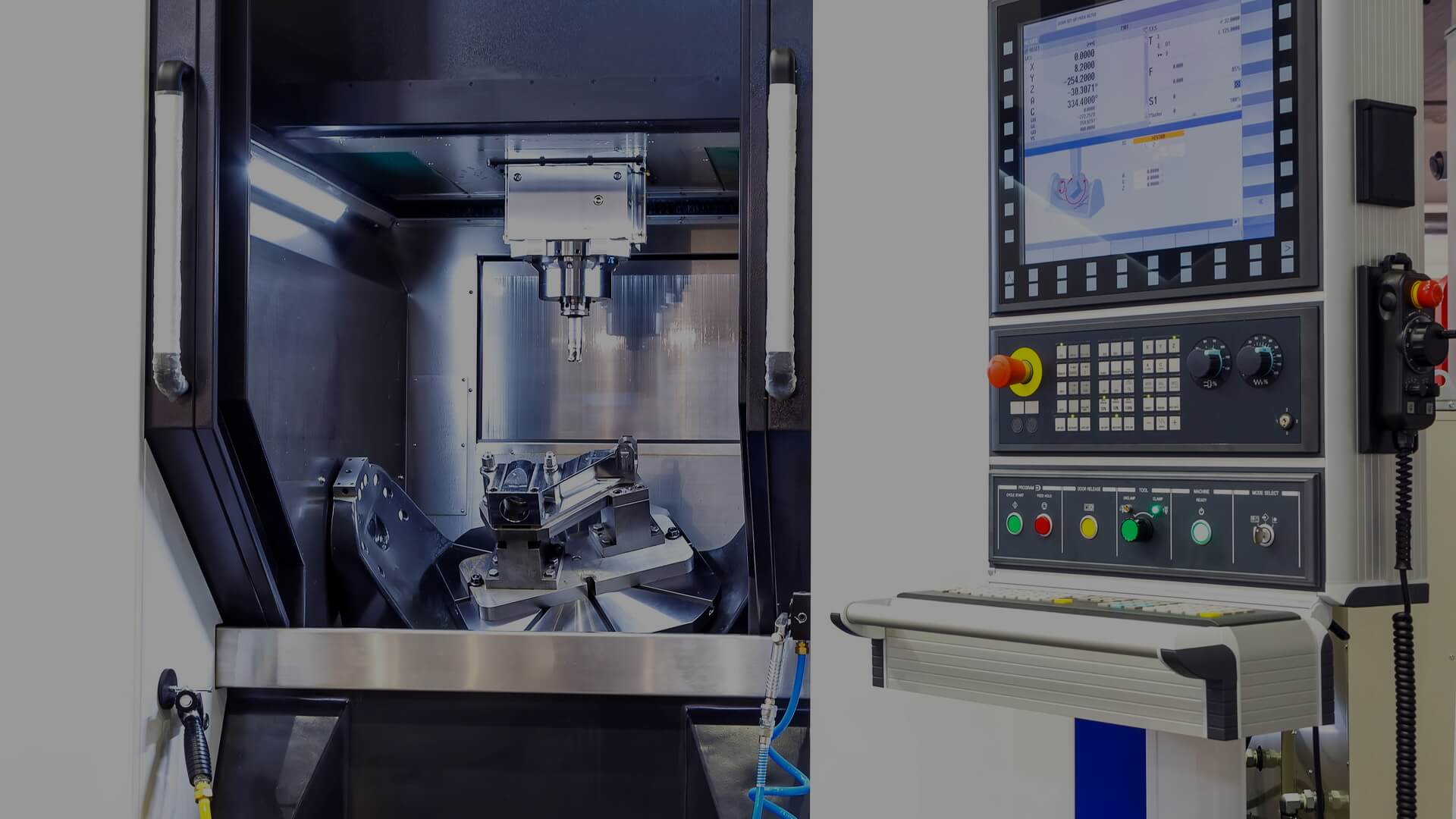
One of the most common questions buyers ask before sending a design is simple: what is the minimum order quantity (MOQ) for CNC machined parts? The good news is that CNC machining is one of the most flexible manufacturing processes when it comes to quantity. This guide explains what MOQ means, why CNC machining often has no real minimum, and how order size affects your price and lead time.
What is MOQ (minimum order quantity)?
MOQ is the smallest number of parts a manufacturer is willing to produce in a single order. It exists because some processes — like injection molding — require expensive tooling that only makes economic sense across thousands of parts. Processes that need no tooling, like CNC machining, can be far more flexible.
Does CNC machining have a minimum order quantity?
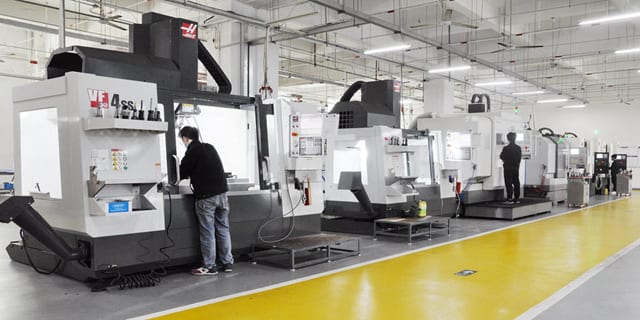
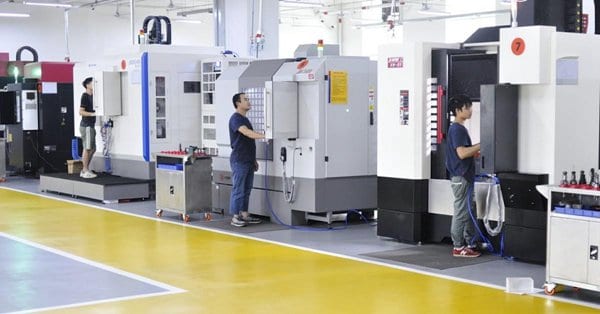
In most cases, no. Because CNC machining cuts directly from solid stock using digital toolpaths, there is no mold or hard tooling to amortize. That means we can machine a single prototype just as easily as a batch of hundreds. At Sendot Technology, there is effectively no MOQ for CNC machined parts — order one piece or thousands.
Sendot's MOQ: from one prototype to production
We support the full range of quantities:
- 1 piece — prototypes, proof-of-concept, replacement parts
- 2–50 pieces — engineering validation, pilot runs, small batches
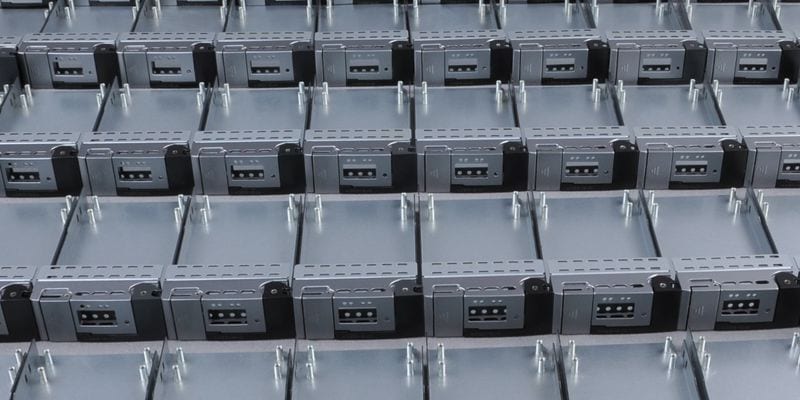
- 50–1,000+ pieces — low-volume manufacturing and bridge production
- 1,000+ pieces — ongoing production, often with cost-down engineering
How MOQ varies by manufacturing process
MOQ depends heavily on which process you choose:
- CNC machining: no minimum — from 1 part
- 3D printing: no minimum — ideal for single complex parts
- Urethane vacuum casting: practical from ~10–20 parts (one silicone mold yields 15–25 copies)
- Rapid tooling / injection molding: tooling cost favors hundreds to thousands of parts, though aluminum tooling lowers the break-even point
If you only need a handful of parts, CNC machining or 3D printing is almost always the most economical route.
How quantity affects your price
Even without an MOQ, quantity still influences your unit price. Each job has a fixed setup cost — programming, fixturing, and first-article inspection — that is spread across the parts you order. Order more, and that cost per part drops:
- Single prototype: highest unit price (setup over one part)
- Small batch: noticeably lower per-part cost
- Low-volume production: best per-part pricing as setup is fully amortized
Prototype, low-volume, or mass production?
Choosing the right quantity strategy matters. Start with a single machined prototype to validate fit and function, move to a small batch for testing, then scale to low-volume production once the design is locked. This staged approach minimizes risk and tooling cost.
Tips for ordering the right quantity
- Order a single prototype first to confirm the design before committing to a batch
- Ask for price breaks at higher quantities — we quote them automatically
- For 10–50+ identical parts, ask whether vacuum casting could lower cost
- Tell us your forecast so we can recommend the most cost-effective process
Request a Quote — any quantity
Whether you need one part or a thousand, upload your design on our Request a Quote page. Our engineers return a DFM review and quantity-based pricing, with global shipping from prototype to production.
Manufacturing next step
Apply this guidance to your part
Continue to the relevant service page for process scope and buyer inputs. If your design is ready, send the current files for engineering review and quotation.
Related manufacturing resources
Continue with the process or project stage most relevant to this topic: