Milling Cutter Tools Explained – Types and Selection Guide
TL;DR
Milling cutter tools are rotating cutters that remove material from a workpiece on a milling machine. They fall into six main categories — end mills, face milling tools, T-slot cutters, slitting saws, fly cutters and form milling cutters — made from materials like carbon tool steel, HSS, carbide, ceramic and stellite, each chosen for the cut, material and speed involved.
- Six categories: end mills, face milling, T-slot, slitting saw, fly cutters and form milling cutters
- End mill types: ball nose, square, radius, undercutting, rounding and corner radius end mills
- Standard diameter range: Φ16~Φ630 mm for index milling cutters
- Heat limits: carbon tool steel softens above 250 °C, HSS above 650 °C, carbide stays hard to 1000 °C
- Engagement rule: aim for about 70% of the cutter's edges cutting during operation
- Face mill sizing: recommended diameter D = 1.5d, where d is the spindle diameter
A milling tool is a cutting metal used to remove material from the surface of a workpiece. These tools are of different shapes and sizes. Their differences are due to their use for various purposes to achieve different types of designs. As a result, milling tooling requires precision and careful selection of the right types to attain the best possible results.
In this article, we provide you with the different types of milling cutter tools, materials used for these cutters, and guides to choosing the right milling tool for your milling operations.
How is the Milling Cutter Used in Milling Machines?
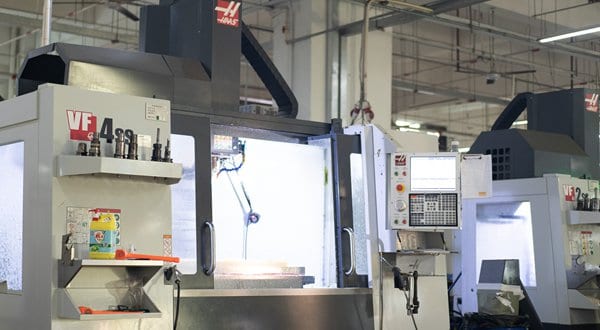
Milling Machines are rotary, highly utilized subtractive manufacturing technology tools essential to the fabrication process of metals and plastics. Moreover, changing the tool to obtain the required design is advisable when milling.
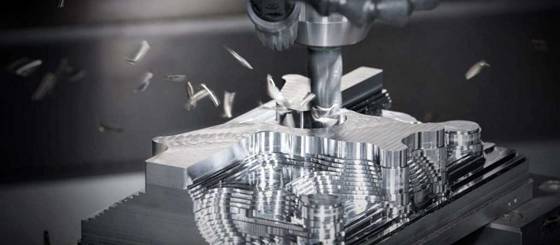
The milling machine tools perform the cutting process by removing material from a workpiece by rotating the cutter and moving it into the workpiece. Feed the workpiece into a spinning multi-point cutter in a milling machine that rotates rapidly to quickly cut the metal or plastic. The milling machine can hold single or multiple cutters at the same time to hasten the cutting process and speedily create desired shapes.
Types of Milling Cutter Tools
There are different types, and categories of milling cutter tools, each with different purposes and cutting abilities. Here are the common milling tool types.
Categories#1: End Mill Cutters
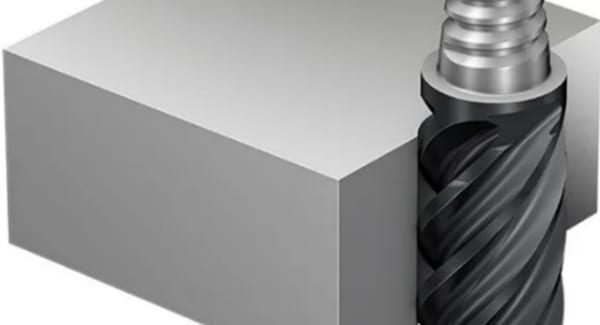
End mill tools are mill-cutting tools that cut in all directions, making them quite different from drill tools that cut only axially. Manufacturers use the end mill for tool steel cutting and other milling processes, including plunging, reaming, slotting, drilling, face milling, profile milling, etc. There are common types of end mill cutters.
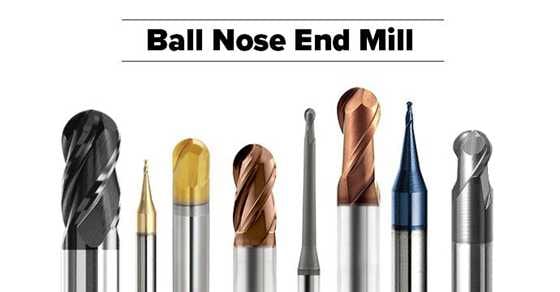
1.1 Ball Mill Cutters
These end mill cutters feature a ball nose. They are ideal for use in milling contoured surfaces due to their round cutting surface.
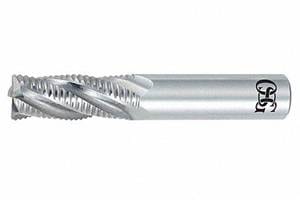
1.2 Square End Mills
Used for all-around milling, these end mills have a 90-degree profile. Also known as flat-end mills, they are ideal for milling applications such as plunging, profiling, and slotting.
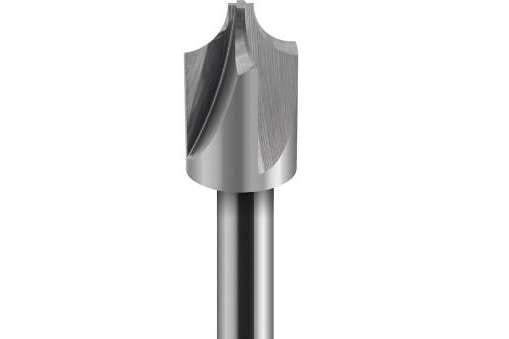
1.3 Radius Endmills
These endmills feature rounded corners. These corners are ideal for cutting a specified radius more evenly, preventing tool wear, and prolonging tool life.
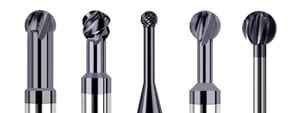
1.4 Undercutting Endmills
It is also known as a lollipop cutter, this well-rounded CNC mill cutting tool offers maximum versatility. Their shape makes them the ideal choice for machining undercuts.
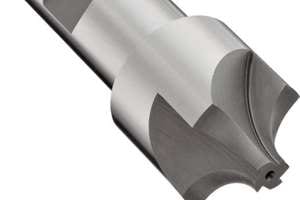
1.5 Rounding Endmills
This Mill tool features strengthened ends. Their primary purpose is milling round edges.
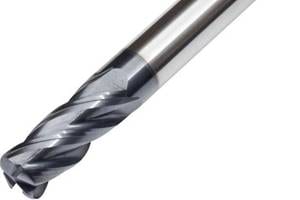
1.6 Corner Radius End Mills
With several flute serrations, this tool, known as the hog mill, leaves a rough finish. Its ability to remove large quantities of material quickly makes it stand out.
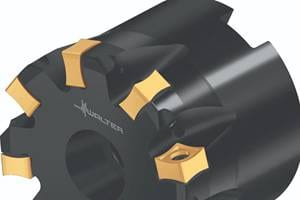
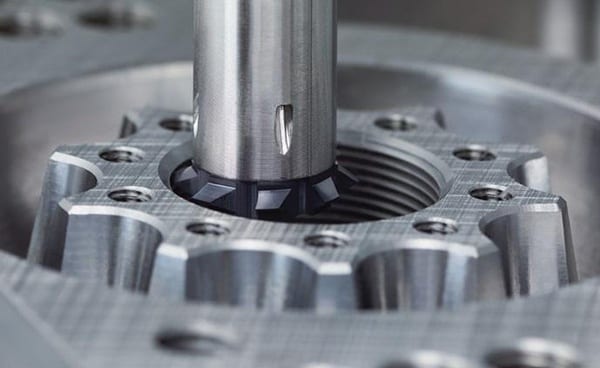
Categories#2: Face Milling Tool
This tool is used for face milling. So what is face milling? It is the removal of portions of a workpiece. A face milling tool is used to achieve an excellent surface finish. At the sides of this tool, it has cutting edges that cut in a horizontal direction, as opposed to end mills that cut vertically. Also, a face mill tool is mainly used to cut the outside of the blank.
Categories#3: T-Slot Cutters
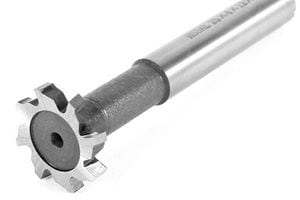
T-slot cutters feature teeth that are perpendicular to the outside diameter. Also known as woodruff cutters, these cutters are best known for cutting T-shaped slots into parts and workpieces. These types of milling cutters are ideal for cutting slots used for bolt heads and hanging brackets in wall panels.
Categories#4: Metal Slitting Saw Cutter Tool
These saws have applications across various industries due to their unique geometry and rigidity. However, industries like the automotive, precision engineering, and construction industries commonly use them to cut non-ferrous and steel materials. Here are the different types of metal slitting saw cutters.
4.1 Plain Metal-Slitting Cutters
These are CNC cutting tools with peripheral cutting edges only, with a concavity on the side to prevent cut dragging in.
4.2 Side Teeth Slitting Cutters
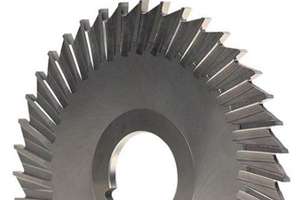
This type of slitting saw possesses both side and peripheral teeth. This feature allows it to maintain a consistent cutting width when removing chips.
4.3 Concave Milling Cutter
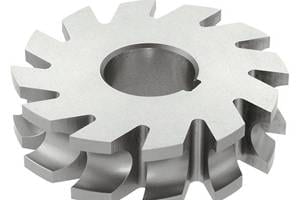
This is a slitting saw used to produce a true convex radius. This cutter applies a seamless and smooth semi-circular shape to workpieces.
4.4 Cylindrical Milling Cutter
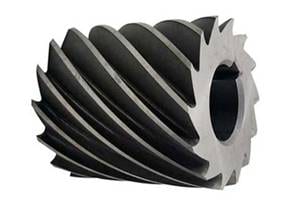
It is ideal for applications where a high rate of stock removal is required. This slitting saw has teeth on the peripheral surface only.
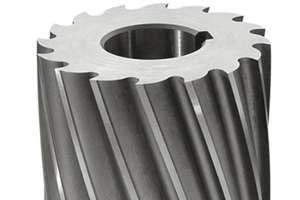
4.5 Plain Milling Cutter
Also known as a slab or surface milling cutter, this type of cuter has helical or straight teeth. Furthermore, its teeth cut on cylindrical or periphery mills flat surfaces parallel to the cutter axis. Plain milling cutters are ideal for small-scale projects and those requiring light milling work.
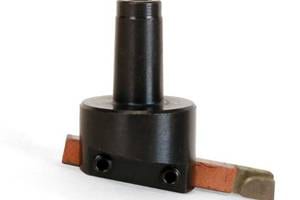
Categories#5: Fly Cutters
These milling tool plane surfaces use one or more single-point rotary tools. Similar to the lathe-cutting tool, manufacturers mount a fly-cutter tool on a special holder. It is also important to note that fly cutters are not ideal for heavy-duty cutting operations. Below are the different types of flyer cutters.
5.1 Point Cutter
It features far-reaching needle-like points ideal for cutting densely packed corals. The cuts produced here are always clean and precise.
5.2 Rotary Carving Tool
This tool’s primary purpose is carving hard materials. It finds application in carving wood and engraving on blown glass.
5.3 Rotary Cutting Tool
These mill-cutting tools cut through a material’s fabric without distorting the patterned cutting line. Some professionals employ this tool in cutting up to eight layers of material in one milling session.
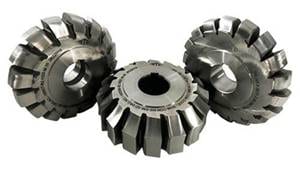
Categories#6: Form Milling Cutters
This is a cutter used for shaping irregular contours, both 2D and 3D. These cutters also come in different configurations and shapes. It is ideal for creating helical gears and other complex and intricate surfaces. It is used for groove, chamfering, and full-radius milling. There are three major types of form milling cutters.
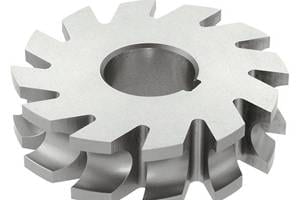
6.1 Convex Milling Cutter
This is a form CNC turning and milling cutter designed to produce a half circle that curves inwards. Convex milling cutters facilitate the production of concave forms.
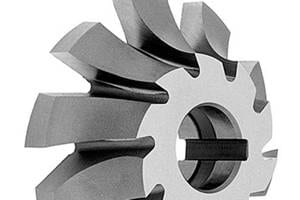
6.2 Corner Rounding Milling Cutters
This cutter is used individually or in pairs. These corner rounding milling cutters, also known as radius cutters, facilitate radius milling.
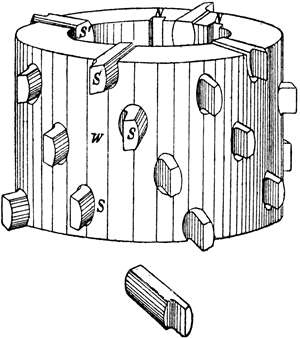
6.3 Inserted Tooth Milling Cutters
Inserted tooth cutter features teeth brazed to the correct location using screws or mechanically added to the cutter. The teeth material is usually carbide or tool steel. On the other hand, machined steel is ideal for making the cutter’s body.
Materials Used for Milling Cutters
There are different cutting processes ideal for different conditions. This difference in processes and conditions arises a need for using different milling cutter materials. Here are the most common materials used to make milling cutter tools.
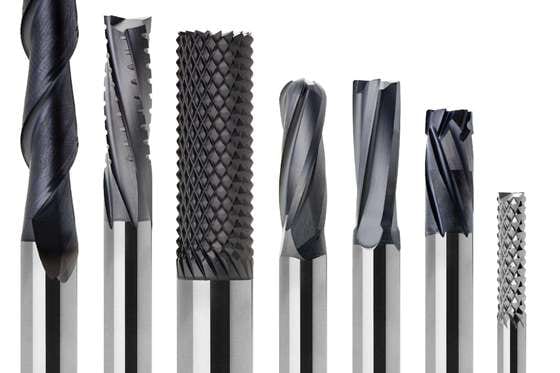
Carbon Tool Steel
This is an inexpensive metal material with good machinability for making mill-cutting tools. This material contains 0.6 -1.5% carbon and usually less than 0.5% of Manganese and silicon. It could also include metals like Chromium and Vanadium, depending on the grain size and hardness the manufacturer wants to achieve.
Milling cutters made from carbon tool steel maintain a cutting edge for a long due to their high abrasion resistance. However, at temperatures above 250°C, this material’s hardness declines rapidly. This makes it ideal for making low-speed machining tools like twist drills, milling tools, and forming and turning tools. It also works great for machining soft metal materials such as magnesium, aluminum, brass, etc.
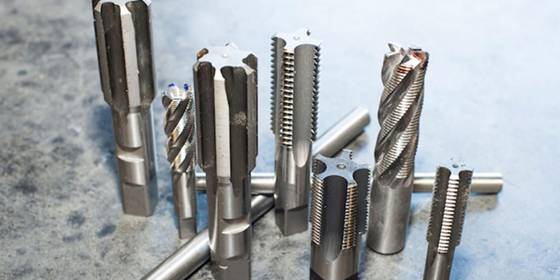
High-Speed Steel (HSS)
This is carbon steel but with a small amount of molybdenum, tungsten, chromium, and other alloying metals that makes it considerably different from conventional carbon steel. With the addition of these alloys, high-speed steel has a higher toughness, wear resistance, and hardenability, giving it a higher metal removal rate.
To boost the lifespan of this tool, manufacturers employ both re-sharpening and the use of coolants (since it loses its hardness at temperatures above 650°C). This mill tool material is ideal for making drills, broaches, and single-point lathe-cutting tools.
Cemented Carbide Tool and Cermet
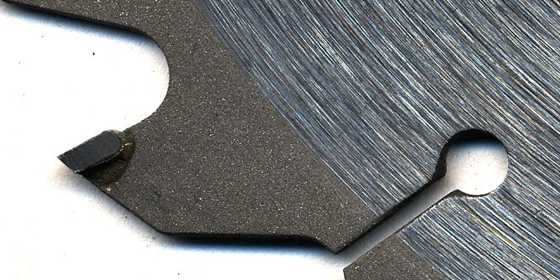
This mill tool produced by the powder metallurgy technique is extremely hard and can withstand cutting operations at very high speed. This material, composed of tungsten, titanium carbide, and tantalum, remains hard up to 1000°C. There are different binders manufacturers use for binding the constituents of this tool, which include cobalt, nickel, and molybdenum.
Where the binding material is nickel and molybdenum, this tool is called Cermet and is used for different finishing and semi-finishing milling operations on different materials, including alloy and stainless steel. On the other hand, tools low in cobalt are ideal for finishing operations, while high-cobalt tools are best for rough cuts.
Ceramic
This material is non-reactive and harder than its cermet counterparts. It also has better resistance to heat, wears, and tear resistance than Carbides. This heat resistance makes ceramic milling cutters ideal for milling super alloy workpieces. For hard materials, high heat is required for ceramics to function properly.
Stellite
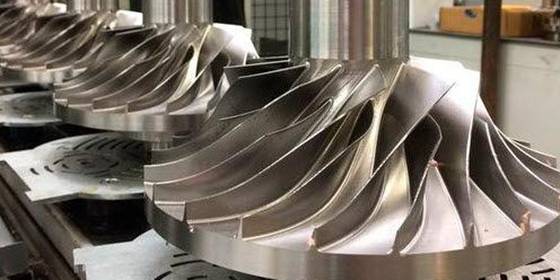
This is a non-ferrous alloy material made only by grinding or casting. It contains different quantities of chromium and cobalt. It could also contain tungsten or molybdenum. Cutting edges using this material retain their quality even at extremely high temperatures and speeds.
Manufacturers attach stellite teeth to a steel disk on large cutters; on smaller cutters, they use solid stellite. Cutters made using stellite are ideal for making automobile engine castings and other mass-produced parts.
Tips for Selecting the Right Mill Cutting Tooling
There are a few things that you need to keep in mind in order to select the right milling cutter for your project. Here are some tips that can help you:
Milling Cutter Size and Diameter
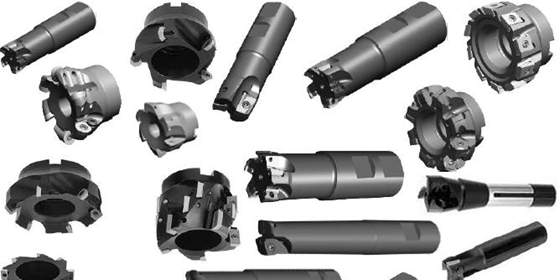
The milling depth and width determine the size of the mill cutting tools. An increase in width and depth before mill tooling means an increase in the size of the milling cutter. However, Φ16~Φ630mm is the standard index milling cutter diameter range.
When milling parts with a large surface area, the recommendation is to use milling cutters with smaller diameters. Ideally, during any milling operation, 70% of the cutter’s cutting edges should take part in cutting.
Another factor that can determine the diameter of the milling cutter is the diameter of the machine tool spindle. The recommendation for selecting a face milling tool diameter is D = 1.5d, where d is the spindle diameter.
Also, when milling holes, the size of the tool also requires great attention because if the milling cutter diameter is too large or too small compared to the hole, it could cause damage to the workpiece or tool.
Milling Cutter Power
When selecting the right milling cutter, the major factors to consider are cutting power and workpiece processing size. For instance, when selecting the diameter of a face mill cutting tool, the power requirement of the tool should be within the power range of the milling machine cutting tool.
In addition, for a small diameter end mill, the machine’s maximum revolution meeting the minimum tool cutting speed (60m/min) should be the main consideration.
Selection of Milling Tool Body
When choosing a milling tool, the number of teeth on the tool is an important consideration. A dense-tooth milling tool can have 8 teeth with a diameter of 100mm, while a coarse-tooth tool with the same diameter has only 6 teeth. Coarse metal milling tools are ideal for rough machining due to their large chip flute, which reduces friction between the workpiece, cutter body, and the chip itself.
Besides, it is important to note that a dense-toothed milling tool’s cutting load per tooth is smaller than that of a coarse-toothed milling tool at an equal feed rate.
Selection of Milling Tool Blade
Using a grinding blade is the best option for fine milling tooling. This type of insert provides improved dimensional precision while increasing the placement accuracy of the cutting edge during milling, allowing for better surface roughness and machining accuracy. However, it is preferable to utilize a pressed blade for roughing because it can lower the cost of processing.
Moreover, using carbide inserts without sharp rake angles would reduce the tool service life, especially with small cutting depths and small feeds.
Conclusion
Milling cutter tools are important to any milling process because these tools are attached to a milling machine to remove or cut materials into different shapes used for various operations. These milling tools come in different types for different milling purposes. It is recommended to consult a specialist for professional advice.
At Sendot Technology, we have a team of experts for all your manufacturing needs including CNC milling services, CNC turning, 3d printing, rapid tooling, etc. With 20 years of machining experience, our engineers will choose the right mill cutters for your machined parts. You are confident to get high-quality and standard products.
Have more questions about milling or other processes? Simply contact us and Request a Quote today!
FAQ
What is the difference between end mill and face mill?
The major difference between a face mill and end mill is that end mills use both the cutter’s end and sides, while face milling is for horizontal cutting.
How are end mills used?
End Mills can make specific shapes and holes in a workpiece during industrial processes such as milling, profiling, contouring, reaming, slotting, counterboring, and drilling operations. End mills have cutting teeth on the face and body edge. They work great for cutting various materials in different directions.
What is the difference between drill bits and milling cutters?
There are several differences between a milling cutter and a drill bit. However, understanding their function can be a major pointer to accurately separating them. A drill bit is a perfect tool for making holes in a workpiece, so it must have an apex angle to help it orient, whereas the milling cutter is used to mill the plane, so there is no apex angle.
Also, The drill bit has a tapered bottom to allow tool tip penetration, whereas the bottom of a mill cutter is flat.
Frequently asked questions
What are the main types of milling cutter tools?
Which material should a milling cutter be made from?
How do I choose the right milling cutter diameter?
What is the difference between an end mill and a face mill?
Should I pick a coarse-tooth or dense-tooth milling cutter?
Manufacturing next step
Apply this guidance to your part
Continue to the relevant service page for process scope and buyer inputs. If your design is ready, send the current files for engineering review and quotation.
Related manufacturing resources
Continue with the process or project stage most relevant to this topic: