CNC Machining vs 3D Printing for Your Next Prototype
For a product-development or program lead, the useful question is not “Which process is better?” It is “What must this next prototype prove?” That answer sets the process screen, the material evidence needed and the acceptance plan. This guide maps one primary search intent—CNC machining vs 3D printing for prototypes—to the 3D printing service.
Direct answer: which process fits the next prototype?
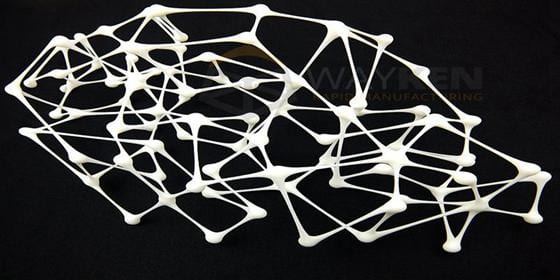
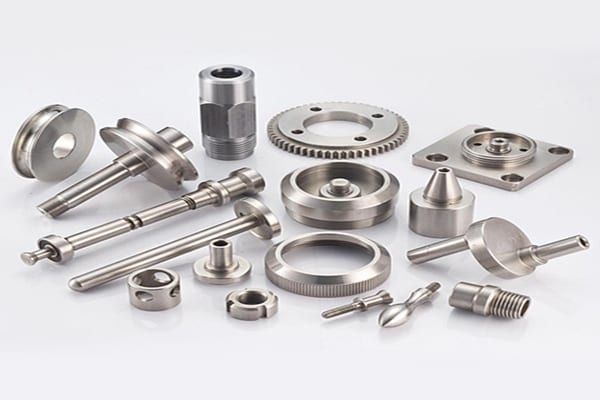
3D printing is usually the stronger candidate for rapid geometry learning: visual models, ergonomic checks, assembly-space studies and shapes that benefit from additive construction. CNC machining is usually the stronger candidate when the test is tied to a specified machinable material or controlled functional features: locating faces, threads, sealing surfaces and interfaces called out on the released drawing.
Those are screening signals, not unconditional rules. Part geometry, orientation, accessible material options, finish, quantity and inspection scope can change the result. Ask the supplier to review the actual CAD and drawing; the buyer retains final design release, deviation approval and acceptance authority.
3D printing signal
The next build primarily needs to expose shape, space, usability or complex-geometry learning.
CNC machining signal
The next test depends on specified stock material, controlled interfaces or a machined surface condition.
Start with the question this prototype must answer
Write one testable sentence before choosing a process: “This build must show whether…” The clearer that sentence is, the easier it is to separate must-have evidence from optional fidelity.
| Next learning question | Route signal to review | Buyer input needed |
|---|---|---|
| Does the form fit the available space or feel right in use? | 3D printing may provide an efficient geometry-learning build. | Envelope, assembly context, contact zones and visual/ergonomic acceptance. |
| Can an internal passage or consolidated shape be represented? | Additive construction may suit geometry that is difficult to access with a cutting tool. | Passage function, cleaning access, support-sensitive surfaces and test method. |
| Will behavior depend on the specified production material? | CNC may be the better comparator when the required grade is available as stock. | Material specification, condition, service environment and relevant acceptance criteria. |
| Do threads, sealing faces or locating features drive the test? | CNC may suit controlled machined interfaces; a hybrid route may also work. | Drawing, datums, mating parts, critical characteristics and inspection request. |
| Is appearance or touch the main decision? | Either route can be reviewed with an agreed post-process and finish sample. | Color/texture reference, cosmetic zones and what variation the buyer will accept. |
| Are frequent geometry revisions expected? | 3D printing can be considered for learning before committing to a more production-representative build. | Revision ID, planned iteration, quantity and the decision each iteration unlocks. |
This decision table does not promise a fixed outcome. It is a briefing tool for a project-specific review.
Compare process fit without blanket promises
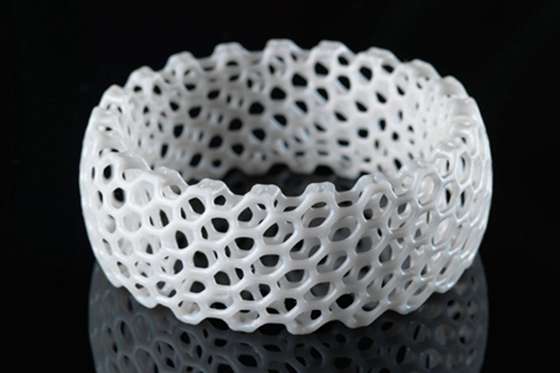
Geometry: 3D printing builds material successively and can open routes for complex forms. CNC removes material and must maintain tool access, workholding and practical feature geometry. ISO/ASTM 52900 defines additive manufacturing by the successive addition of material; see the official ISO standard record.
Material: do not treat a similar marketing name as proof that a printed material and a production material are equivalent. Compare the relevant supplier data, process condition and test objective. If the prototype must represent a specified metal or engineering plastic in a machinable stock form, CNC may offer the closer route. If the build only needs form or fit evidence, that fidelity may not be necessary.
Finish and interfaces: identify cosmetic zones, sealing faces, threads, mating datums and post-processing before RFQ. A process label alone does not define the delivered surface or the evidence package.
Price and schedule: neither process has a universal advantage. Geometry, quantity, material, setup, support removal, finishing and inspection all affect the project-specific quotation. Neutral competitor explainers from Xometry and Protolabs also frame the choice around part requirements rather than a universal winner.
A hybrid prototype sequence can be the correct answer
- Define the learning objective. State what decision the next build must unlock.
- Screen both routes. Review geometry, material relationship, critical interfaces, finish and evidence rather than process reputation.
- Build only the fidelity required. Use a geometry-learning iteration where appropriate, or move directly to a material/interface-focused build when the test requires it.
- Inspect or test the agreed characteristics. The drawing and order should identify what evidence is required; no report is assumed by default.
- Make the buyer decision. Supplier DFM feedback supports manufacturability review, while the buyer approves the final design, deviations and acceptance.
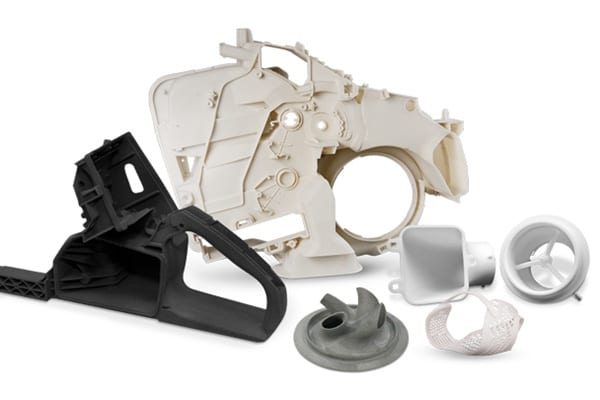
A common development path may combine a 3D-printed form/fit model with a later CNC-machined functional prototype. That sequence is useful only when each build has a distinct question. For stage-specific context, see concept models, functional prototypes and design and engineering verification parts.
Watch CNC machining and 3D printing compared
Prepare the route-review package
- Current 3D CAD plus a revision-controlled drawing when critical dimensions, datums, threads or finish must be controlled.
- The single question the prototype must answer and how the buyer will evaluate it.
- Required material or the required relationship to the intended production material.
- Quantity, revision strategy, mating parts and assembly context.
- Critical interfaces, cosmetic zones, finish and post-processing requirements.
- Inspection or test evidence requested for this order, with acceptance owned by the buyer.
If the shortlist already favors additive, review SLS vs SLA vs FDM. If material-dependent behavior or machined interfaces control the build, see CNC machining services. Recent coverage collected by 3DPrint.com shows ongoing attention to additive manufacturing business and process development; current news is a research signal, not evidence that a specific supplier or project supports a capability.
Frequently asked questions
Is CNC machining or 3D printing better for a functional prototype?
Is 3D printing always faster or cheaper than CNC for prototypes?
When should a prototype use the intended production material?
Can one project use both 3D printing and CNC machining?
Who approves a supplier’s proposed process or DFM change?
Ready to compare routes for the actual part? Share the CAD, drawing, prototype objective, material relationship and acceptance needs.
Manufacturing next step
Apply this guidance to your part
Continue to the relevant service page for process scope and buyer inputs. If your design is ready, send the current files for engineering review and quotation.
Related manufacturing resources
Continue with the process or project stage most relevant to this topic: