Medical Device Machining: Regulatory Documentation Buyers Need

TL;DR
For a medical-device prototype or machined component, define the project documentation package before the RFQ is accepted: controlled CAD and 2D drawing, BOM and revision, material requirements, critical characteristics, inspection records and any traceability or change records the product owner needs. A supplier’s general quality statement does not replace project-specific requirements or the buyer’s approval responsibility.
- CAD, 2D drawings, BOM and revision control establish exactly what configuration the supplier should make.
- Material records, inspection results and traceability documents answer different buyer questions and should not be treated as interchangeable.
- Supplier quality-system evidence describes a management framework; it does not prove a particular part or medical product is compliant.
- State re-review and re-quote triggers before sending a revised file or changing an acceptance requirement.
Medical-device buyers often need more than a machined part: they need a controlled record showing what was ordered, what revision was used, what material and inspection requirements applied, and which results were accepted. That record starts with the buyer’s project definition. This checklist focuses on medical device machining documentation for prototypes and mechanical components, not on medical-device regulatory advice or a substitute for the product owner’s quality and regulatory programme. It separates supplier-review inputs from project-level evidence so an RFQ can be evaluated without confusing a general capability statement with a device approval.
Direct answer: what documents should a medical machining RFQ define?
Define the controlled CAD model, 2D drawing, BOM, revision, material requirements, critical dimensions, surface requirements, inspection method, acceptance records and any lot or material traceability needed for the project. Then state who approves changes and what evidence is required at delivery. The final package depends on the device owner’s intended use, risk controls and order agreement.
What does each document control?
Each file answers a different question. Keeping them linked prevents a supplier from quoting one revision, making another and reporting against a third.
| Input or record | What it controls | Buyer should define | What it does not prove by itself |
|---|---|---|---|
| CAD model | Nominal geometry and the current 3D configuration | File name, revision, units, format and relationship to the drawing | Acceptance of dimensions, material or finished-part performance |
| 2D drawing | Dimensions, datums, tolerances, notes, finish and acceptance callouts | Critical characteristics, GD&T, surface requirements and revision | That a supplier has approved a product design or regulatory file |
| BOM and revision | Part identity, assembly context and configuration control | Part numbers, effectivity, superseded files and change approver | That all components or upstream processes are within the machining supplier’s scope |
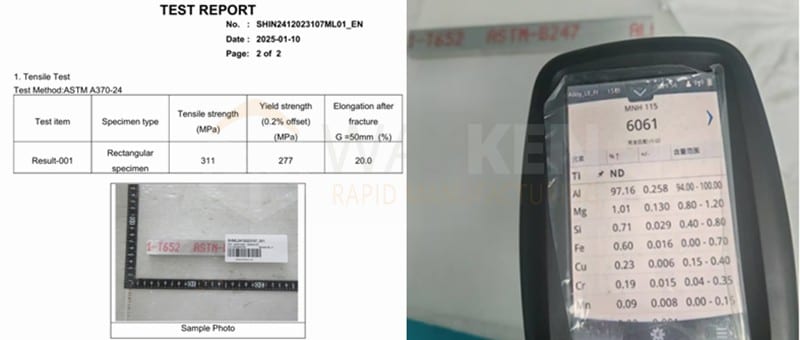
| Material record | Requested material identity and any required certificate or lot link | Material grade, condition, format and document expectation | Biocompatibility, clinical suitability or device authorization |
| Inspection record | Measured results against defined characteristics and methods | Features, method, sampling, report format and acceptance decision | That unmeasured requirements or the complete device have been validated |
| Traceability record | Link between a lot, material, process record, part and document | Required identifiers, retention and chain of responsibility | That the traceability depth is adequate unless the project defines it |
Medical machining RFQ checklist
Before using the medical device prototyping route, define the following in the RFQ or its referenced quality agreement:
- Part and intended use: identify the prototype or mechanical component and its place in the assembly without asking the machining supplier to approve the device.
- Controlled design files: attach the current CAD, 2D drawing, BOM and revision identifiers, and state which file controls if a discrepancy appears.
- Material and finish: name the requested material or engineering requirement, surface finish, coating, masking and any material documentation.
- Critical characteristics: mark dimensions, datums, threads, fits, interfaces and visual or surface conditions that require focused inspection.
- Inspection plan: state the measurement method, sampling or first-article expectation, report fields, acceptance criteria and handling of nonconformance.
- Traceability: define whether the project needs lot identity, material-to-part linkage, process records, operator or equipment records, or document retention.
- Change control: name the buyer approver and list the events that require re-review, re-quote, new inspection or additional validation.
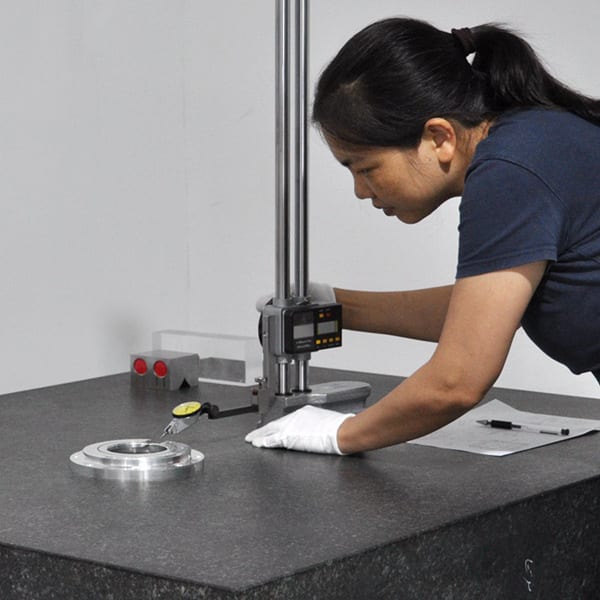
Supplier quality-system evidence vs project-specific documentation
A quality-system statement and a project record serve different purposes. Sendot publicly states ISO 9001. That public statement should be kept separate from the project-specific documents a buyer requests for a prototype or component. The buyer should not treat a general quality statement as proof of a particular medical product’s compliance, validation or approval.
| Evidence type | Useful question | Buyer input needed | Approval responsibility |
|---|---|---|---|
| Supplier quality-system evidence | How does the supplier describe its quality-management framework and controlled processes? | Required scope, current status and documents the buyer is permitted to review | Buyer qualifies the supplier against its own programme |
| Design and manufacturing input | What configuration, material and process assumptions should be used for this part? | CAD, drawing, BOM, revision, material, finish and RFQ notes | Product owner releases the design and requirements |
| Project-specific inspection record | Do the measured characteristics match the agreed drawing and acceptance method? | Critical features, method, sampling, report and disposition rules | Buyer accepts the result against the approved criteria |
| Traceability record | Can the project link the part or lot to the agreed material and records? | Identifiers, linkage, retention and required handoffs | Buyer defines the depth needed for its risk and quality plan |
For the machining route itself, see CNC machining services. For a related certification-scope comparison, the AS9100 versus ISO 9001 buyer guide explains why a standard comparison does not automatically transfer a certification or qualification to a supplier or project.
What changes trigger re-review or re-quote?
Make the trigger list visible before production. A new revision, changed datum, altered critical dimension, material or finish change, updated BOM, different quantity scenario, new inspection method or new traceability requirement can affect the route and the evidence package. The supplier can flag manufacturing implications; the product owner decides whether the change is acceptable and releases the new baseline.
- Re-review the design: when geometry, fit, interface, material or surface requirements change.
- Re-quote: when setups, tooling, outside processing, inspection, packaging or documentation effort may change.
- Re-plan evidence: when the critical-characteristic list, measurement method, report, sampling or traceability requirement changes.
- Reconfirm approval: when a supplier suggestion changes a product requirement or the released configuration.
Documentation review workflow
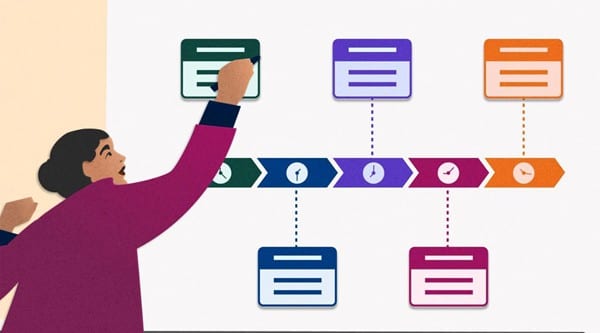
- Define the project purpose: identify the prototype or component, intended evaluation and buyer-owned requirements.
- Freeze the input set: link CAD, drawing, BOM, material, finish and revision to the RFQ.
- Mark critical evidence: list dimensions, inspection method, traceability and delivery records required for the current release.
- Review supplier feedback: separate manufacturability questions and quote assumptions from the product owner’s design decisions.
- Approve the order package: confirm the released files, acceptance criteria, change contacts and document handoff before production.
- Review the delivered records: compare the agreed documentation with the released requirements and record any disposition through the buyer’s process.
Frequently Asked Questions
What documents should I request from a medical device machining supplier?
Does an ISO 9001 statement prove medical-device compliance?
Who approves a machining supplier’s DFM suggestion?
When should a medical machining project be re-quoted?
Can a machining inspection report serve as the complete medical device technical file?
Technical References
The FDA PMA Quality System guidance describes design inputs, outputs, verification, validation, transfer, change control and related records as part of a controlled product-development process. The FDA’s Quality Management System Regulation overview provides current regulatory context. These sources inform buyer questions; they do not establish Sendot certification, medical-device registration or project approval.
For a project-specific document review, use Quality Assurance and Request a Quote. Upload the controlled files and state the inspection and traceability records required for the current revision.
Manufacturing next step
Apply this guidance to your part
Continue to the relevant service page for process scope and buyer inputs. If your design is ready, send the current files for engineering review and quotation.
Related manufacturing resources
Continue with the process or project stage most relevant to this topic: