Stainless Steel Grades: 303 vs 304 vs 316 for Machined Parts
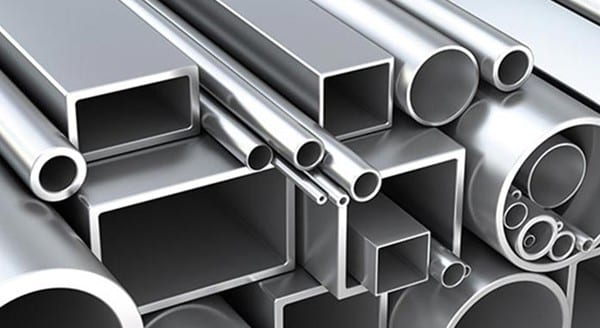
303, 304 and 316 are the three austenitic stainless steels machinists use most. 303 is the free-machining grade (best to cut, but weaker corrosion resistance and not for welding); 304 is the general-purpose standard; and 316 adds molybdenum for superior corrosion resistance in marine, chemical and medical use. This guide compares their chemistry, machinability, corrosion resistance and cost so you can pick the right stainless for your part.
See our stainless steel materials hub and CNC machining services for capabilities and finishes.
Key takeaways
- 303 — free-machining (adds sulfur); best machinability but lower corrosion resistance and poor weldability. Ideal for high-volume turned parts like fasteners and fittings.
- 304 — the general-purpose 18/8 stainless; good corrosion resistance, weldable, the most common grade.
- 316 — adds 2–3% molybdenum for the best corrosion resistance, especially against chlorides/saltwater; the choice for marine, chemical and medical parts.
- Use the L grades (304L / 316L) when parts will be welded — low carbon prevents corrosion at the weld.
- All three are austenitic, largely non-magnetic, and work-harden — sharp tools, positive rake and steady feeds are essential.
- Get an exact price with an project-specific quote from your CAD file.
303 vs 304 vs 316 at a glance
| Grade | Key addition | Machinability* | Corrosion resistance | Weldability | Relative cost | Best for |
|---|---|---|---|---|---|---|
| 303 | Sulfur (free-machining) | ~78% | Moderate | Poor | $$ | Screw-machine parts, shafts, fittings, fasteners |
| 304 / 304L | 18% Cr, 8% Ni | ~45% | Good | Excellent | $$ | General parts, enclosures, food equipment |
| 316 / 316L | +2–3% Molybdenum | ~36% | Excellent | Excellent | $$$ | Marine, chemical, medical, coastal |
*Machinability as a rough percentage of the free-cutting B1112 benchmark (100%); higher is easier to machine.
303 stainless steel — the free-machining grade
303 is essentially 304 with sulfur (and sometimes selenium) added to break up chips and reduce tool wear, making it the easiest austenitic stainless to machine. That makes it perfect for parts produced in volume on lathes and screw machines — shafts, bushings, fittings and fasteners. The trade-off is that the sulfur inclusions reduce corrosion resistance and make 303 unsuitable for welding. If a part must be both easy to machine and corrosion-critical, 304 is usually the better compromise.
304 stainless steel — the general-purpose standard
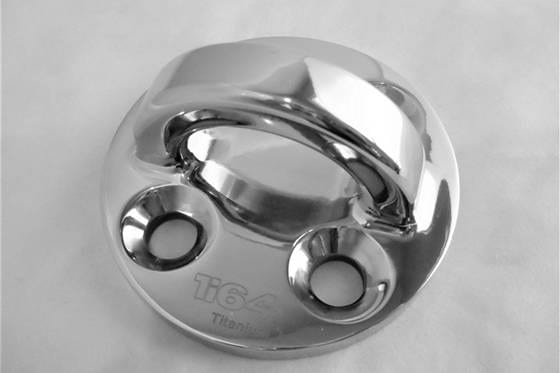
304 (often called 18/8 for its 18% chromium, 8% nickel) is the most widely used stainless steel. It offers good corrosion resistance, excellent weldability and formability, and a clean, hygienic surface — which is why it dominates food, dairy, architectural and general industrial parts. 304L, the low-carbon version, is preferred for welded assemblies because it resists carbide precipitation (sensitization) at the weld. 304 work-hardens quickly, so machining calls for sharp tooling and firm, consistent feeds.
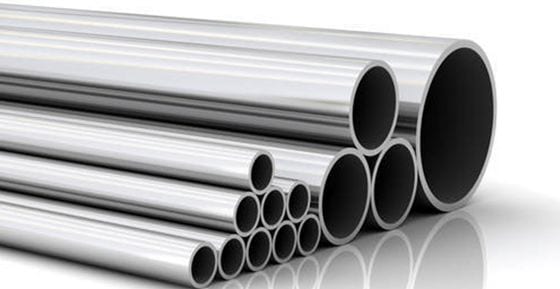
316 stainless steel — maximum corrosion resistance
316 adds 2–3% molybdenum to the 304 recipe, dramatically improving resistance to pitting and crevice corrosion from chlorides — think saltwater, de-icing salts and many chemicals. It is the standard for marine hardware, chemical processing, pharmaceutical and surgical components. 316L (low carbon) is the workhorse for welded and medical parts. 316 is the toughest of the three to machine and the most expensive, so specify it when corrosion demands it rather than by default.
How to choose between 303, 304 and 316
- Best machinability / high-volume turned parts: 303
- General purpose, welded, food-safe: 304 (304L if welding)
- Marine, chemical, medical, coastal: 316 (316L if welding)
- Corrosion-critical but must machine easily: 304 over 303
For a two-way deep dive, see our 304 vs 316 stainless steel comparison, or the general CNC machining stainless steel guide.
Machining tips for stainless steel
Austenitic stainless steels work-harden, so the golden rule is to keep the tool cutting — never let it rub or dwell. Use sharp, coated carbide tools with positive rake, rigid setups, generous flood coolant, and moderate speeds with firm feed rates. Avoid interrupted light passes that glaze the surface. After machining, corrosion-critical parts should be passivated to restore the protective chromium-oxide layer.

Frequently asked questions
What is the difference between 303, 304 and 316 stainless steel?
Which stainless steel is easiest to machine?
Is 316 stainless steel worth the extra cost over 304?
When should I use 304L or 316L instead of 304 or 316?
Are 303, 304 and 316 magnetic?
Sources & further reading: British Stainless Steel Association — grade data · MatWeb — stainless steel properties · ISO 2768 general tolerances.
Manufacturing next step
Apply this guidance to your part
Continue to the relevant service page for process scope and buyer inputs. If your design is ready, send the current files for engineering review and quotation.
Related manufacturing resources
Continue with the process or project stage most relevant to this topic: