EV Cast Housings: Post-Machining Considerations for Battery, Motor & Inverter Components
TL;DR
EV cast housings often need CNC post-machining wherever the drawing requires controlled sealing faces, holes, threads, datums or assembly interfaces. For battery, motor or inverter-related parts, a useful RFQ defines the cast condition, finished features, material, revision, quantity, surface requirements and inspection evidence instead of assuming that a near-net-shape casting is ready to assemble.
- As-cast geometry can provide the main form, while CNC establishes selected functional interfaces.
- The drawing should distinguish cast surfaces from machined faces, holes, threads, datums and sealing features.
- Casting, CNC, finishing and inspection assumptions must be reviewed together when a feature or revision changes.
- Send the current CAD, 2D drawing, revision, quantity scenario and acceptance requirements through the RFQ route.
When a cast enclosure or housing is intended to support an electric-vehicle subsystem, the commercial question is not simply whether the part can be cast. The buyer must identify which surfaces and interfaces must be finished after casting, what the released drawing actually requires, and what evidence will be reviewed at receipt. This guide uses battery tray, motor housing and inverter housing examples as buyer search language; it does not claim that every casting route, gigacasting scale or EV safety requirement is available from one supplier. The practical goal is a clearer battery tray machining supplier RFQ.
Direct answer: why does an EV cast housing need CNC post-machining?
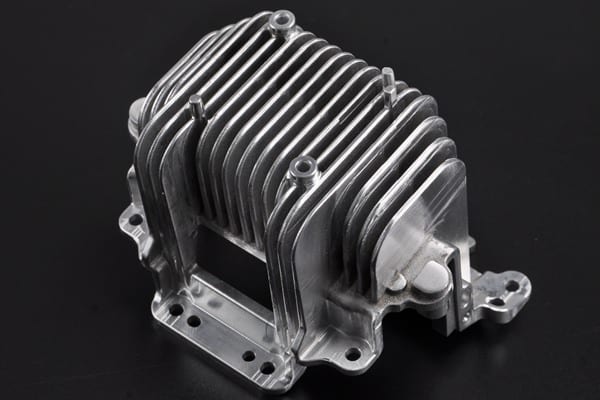
Cast housings are often near-net-shape rather than assembly-ready. CNC post-machining can establish the specific sealing faces, bearing or bushing seats, holes, threads, datums and mating interfaces that the drawing controls more tightly than the cast condition. The correct scope depends on the released part definition, casting route, material, quantity and inspection plan.
Which features usually need post-machining?
The cast route can create the broad enclosure form, bosses, ribs and openings, but functional interfaces may need a defined secondary operation. NADCA explains that die castings can include cored holes or cast threads, while also noting that machining needs depend on the design. That is why the drawing—not the part name—should decide the CNC scope.
- Sealing faces: define the face, finish requirement, datum relationship and acceptance method when the interface must support a seal.
- Mounting and locating faces: identify the planes or bosses that locate the housing against another component.
- Holes and threads: state which openings are cast, drilled, bored, reamed or tapped, and identify the applicable size and thread callout.
- Datum features: show the datum scheme and geometric controls that connect the housing to the mating assembly.
- Assembly interfaces: separate cosmetic cast surfaces from faces, bores, slots and fastener features that determine fit or function.
As-cast feature vs CNC-finished feature
The comparison below is a release-planning framework, not a claim that every EV casting uses the same process. It helps the buyer state what needs to be decided before a supplier prices the work.
| Feature state | Functional purpose | RFQ input | Process risk to review | Inspection focus | Change trigger |
|---|---|---|---|---|---|
| As-cast outer form | Provides the primary envelope, ribs or bosses | Cast-part drawing, draft and non-machined surface notes | Draft, parting line, flash, distortion or access for later operations | Profile, key interfaces and visual or dimensional criteria agreed for the cast state | Envelope, draft, rib, boss or casting design change |
| CNC-finished sealing face | Creates a controlled interface for a seal or cover | Face boundary, datum, surface requirement and acceptance method | Stock, clamping, distortion and access for the cutting tool | Flatness or geometry only when specified, plus surface and feature location as applicable | Seal path, datum, face boundary or acceptance requirement changes |
| CNC-finished hole or thread | Supports fasteners, locating pins, bearings or fluid interfaces | Size, thread, depth, position, datum and any plug or gauge requirement | Tool access, chip evacuation, porosity exposure and setup alignment | Size, location, thread condition and related datum relationship | Hole pattern, thread callout, depth, mating part or datum changes |
| Machined datum or mating face | Locates the housing in the next assembly | Datum scheme, GD&T and the mating relationship | Workholding strategy and accumulated setup variation | Specified geometric relationships and critical dimensions | Assembly stack-up, datum structure or critical characteristic changes |
What should an EV housing RFQ include?
A die-casting quote should make the manufacturing boundary visible. If the request includes CNC post-machining, also connect the casting assumptions to the CNC machining route rather than sending a model without feature responsibility.
- Part identity and use: state whether the item is a battery tray, motor housing, inverter enclosure or another cast component, without turning the description into a safety certification claim.
- CAD and 2D drawing: provide the current model, dimensioned drawing, datum scheme, GD&T, thread callouts and clear identification of cast versus machined features.
- Revision and BOM: identify the released revision, related assembly or BOM, superseded files and the person who approves a change.
- Material and casting condition: specify the required alloy or material definition when known, the cast condition, heat treatment or other requirement that is actually part of the project.
- Quantity pattern: state the immediate quantity, expected repeat pattern and whether the quote is for a prototype, pilot or repeat release.
- Surface and finishing: separate cast-surface appearance from machined-face requirements, coatings, masking and any post-process inspection.
- Inspection and acceptance: list critical characteristics, measurement method, sampling or first-article expectations, reports and traceability records required by the order.

How should a buyer review the casting-to-CNC route?
Review the chain in four linked questions: what the casting process is expected to deliver, which features CNC will establish, which surfaces or treatments are outside that route, and how each requirement will be inspected. Sendot can review supplied drawings and manufacturing inputs within the agreed scope. The buyer still decides the product requirement, approves revisions and defines which project records are required.
For quality evidence, the quality assurance page is the relevant site route. It should be read together with the project drawing and order documents; a general quality-system statement is not the same as a project-specific dimensional, material or safety result.
The North American Die Casting Association FAQ and its die-casting technical standards overview provide general industry context for cast features, design and production. They do not establish Sendot equipment, EV qualification or a particular part result.
When should the route be re-reviewed?
Ask for a fresh review when a change can affect the cast condition, machining access, functional interface, inspection method or quote assumptions. Common triggers include a new sealing path, altered datum scheme, changed hole or thread pattern, material or finish change, revised quantity scenario, new acceptance record, or a change in the mating assembly. A supplier suggestion can identify a manufacturing risk; the buyer or product owner must approve the released design.
- Re-quote: when the change may alter setups, machining time, tooling, outside processing, inspection or packaging assumptions.
- Re-check the design: when the change affects fit, function, sealing, assembly, heat path or another product requirement.
- Re-plan inspection: when the datum scheme, critical feature, measurement method or required record changes.
EV cast-housing RFQ process
- Classify the part: identify the housing or enclosure and the intended assembly interface.
- Mark feature responsibility: separate as-cast, CNC-finished, surface-finished and inspected characteristics on the drawing or review notes.
- Submit the controlled package: send CAD, 2D drawing, revision, BOM where relevant, material, quantity and acceptance inputs.
- Review the route: separate supplier manufacturability suggestions from quote assumptions and buyer approval items.
- Release and inspect: authorize the agreed order scope, then review the delivered evidence against the approved requirements.
Frequently Asked Questions
Why are EV cast housings CNC machined after casting?
What should I send when requesting a battery tray machining quote?
Does an EV housing RFQ prove that a supplier can make a gigacast part?
When should a cast-housing design be re-quoted?
Can Sendot review a cast housing drawing before an order?
Technical References
General die-casting context: NADCA die-casting FAQ and NADCA technical standards overview. The page structure also follows Schema.org BlogPosting and Google Article structured-data guidance.
For a scoped drawing and quote review, use Request a Quote and upload the controlled files.
Manufacturing next step
Apply this guidance to your part
Continue to the relevant service page for process scope and buyer inputs. If your design is ready, send the current files for engineering review and quotation.
Related manufacturing resources
Continue with the process or project stage most relevant to this topic: