Brass vs Bronze vs Copper: Machinability, Properties & Uses
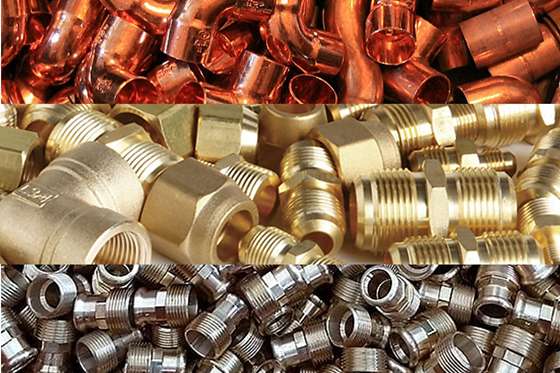
Copper is a pure element with the best electrical and thermal conductivity but is soft and gummy to machine. Brass is copper alloyed with zinc — the most machinable of the three and attractive, ideal for fittings and decorative parts. Bronze is copper alloyed mainly with tin (or aluminum), offering excellent wear and corrosion resistance for bearings, bushings and marine parts. This guide compares all three so you can choose the right copper alloy for your machined part.
See our brass & copper materials hub and CNC machining services for capabilities.
Key takeaways
- Copper — highest conductivity, corrosion-resistant, but soft and gummy (hard to machine cleanly). Electrical and thermal parts.
- Brass (Cu + zinc) — the most machinable of the three; free-cutting C360 is the benchmark. Fittings, valves, connectors, decorative parts.
- Bronze (Cu + tin/aluminum) — excellent wear and corrosion resistance and low friction. Bearings, bushings, gears, marine hardware.
- For machinability: brass > bronze > copper. For conductivity: copper > brass > bronze.
- Free-cutting brass C360 is the machinability standard (rated 100%); pure copper is only ~20% as machinable.
- Get an exact price with an project-specific quote from your CAD file.
Brass vs bronze vs copper at a glance
| Material | Composition | Machinability | Conductivity | Corrosion resistance | Typical uses |
|---|---|---|---|---|---|
| Copper | ~99%+ pure Cu | Poor (gummy) | Excellent (best) | Good | Bus bars, electrodes, heat sinks, wiring |
| Brass | Cu + zinc | Excellent | Moderate | Good | Fittings, valves, connectors, decorative |
| Bronze | Cu + tin (or Al) | Good | Moderate–low | Excellent | Bearings, bushings, gears, marine |
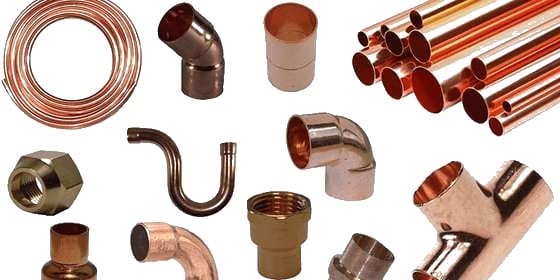
Copper
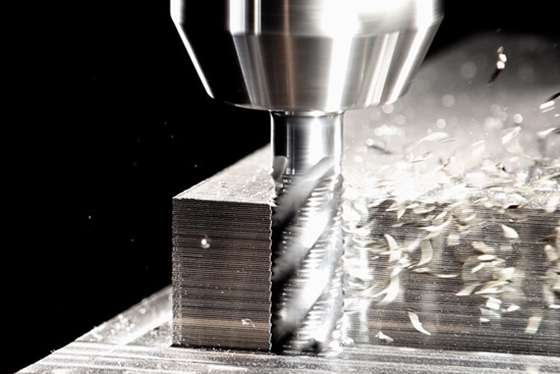
Pure copper (grades such as C101/C110) has the highest electrical and thermal conductivity of any common engineering metal, plus good corrosion resistance and ductility. That makes it the material of choice for bus bars, electrodes (including EDM electrodes), heat sinks and conductive contacts. The downside is machinability: copper is soft and gummy, so it tends to smear, build up on the tool and produce stringy chips. Machining it cleanly needs sharp, polished tools, high rake angles and good coolant.
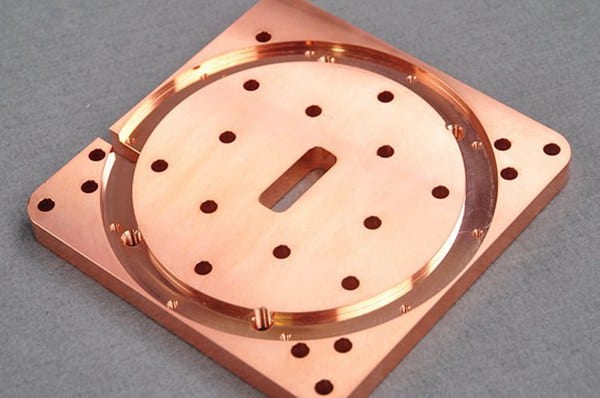
Brass
Brass is copper alloyed with zinc, and the proportion (plus small additions like lead) sets its properties. C360 free-cutting brass is the most machinable common metal — it is the 100% benchmark other materials are rated against — so it dominates parts made in volume: valves, fittings, connectors, nozzles and threaded components. Brass also has an attractive gold color, resists corrosion, and is easy to polish and plate, making it popular for decorative and architectural hardware. Cartridge brass (C260) is more ductile for deep drawing and forming.
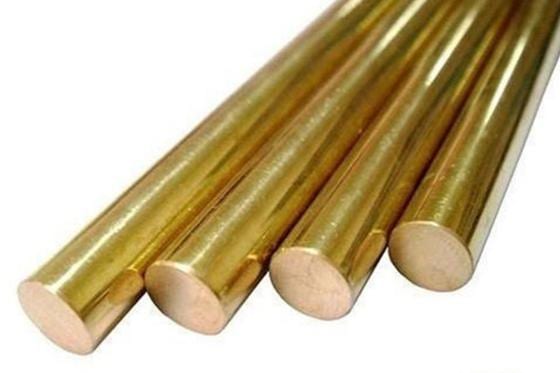
Bronze
Bronze is copper alloyed mainly with tin (phosphor bronze, C510) or aluminum (aluminum bronze), giving higher strength, excellent wear resistance, low friction and outstanding corrosion resistance — especially in seawater. Those qualities make bronze the go-to for bearings, bushings, gears, valve components and marine hardware. It machines reasonably well (better than copper, not as free-cutting as leaded brass) and is often chosen where a part must slide, wear or resist a harsh environment for a long service life.
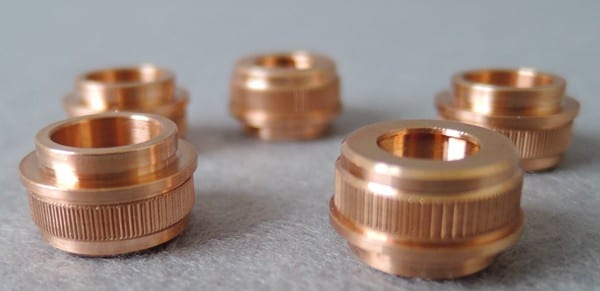
Machinability compared
Machinability is where these three differ most. Using free-cutting brass C360 as the 100% reference: many bronzes machine in the 30–90% range depending on alloy, while pure copper sits near 20% because it is soft and sticky. If your part is not electrical, brass will almost always be faster and cheaper to machine than copper. When conductivity is essential, copper is worth the extra machining effort; when wear or seawater corrosion is the priority, bronze earns its place.
How to choose between brass, bronze and copper
- Electrical / thermal conductivity: copper
- Easy machining, fittings, decorative: brass (C360)
- Bearings, bushings, wear surfaces: bronze (phosphor or aluminum bronze)
- Seawater / marine corrosion: aluminum bronze or 316 stainless
- Lowest machined-part cost in this family: free-cutting brass
For process detail, see brass CNC machining and copper CNC machining.
Finishing copper alloys
Brass polishes to a bright finish and is easily plated (nickel, chrome, gold) for decorative or functional parts. Copper can be plated or left to develop a patina. Bronze is often left as-machined for mechanical parts or polished for architectural use. All three can tarnish over time, so a clear coat or plating is used where a lasting appearance matters.

Frequently asked questions
What is the difference between brass, bronze and copper?
Which is easier to machine, brass, bronze or copper?
Which has the best electrical conductivity?
Is bronze better than brass for bearings?
Which copper alloy is best for marine parts?
Sources & further reading: Copper Development Association — alloy & machinability data · MatWeb — copper alloy properties · ISO 2768 general tolerances.
Manufacturing next step
Apply this guidance to your part
Continue to the relevant service page for process scope and buyer inputs. If your design is ready, send the current files for engineering review and quotation.
Related manufacturing resources
Continue with the process or project stage most relevant to this topic: