Black Anodizing: A Guide Finish on Black Anodized Aluminum
TL;DR
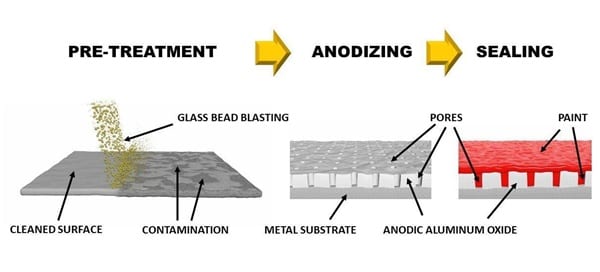
Black anodizing is an electrolytic process that first grows a semi-porous aluminum oxide layer on a part, then fills those pores with black dye and seals them. It gives aluminum a durable matte-black finish with better corrosion resistance, thermal stability and color retention than paint or powder coating.
- Compatible metals: aluminum, magnesium and titanium — not steel
- Aluminum series: works on 5, 6 and 7, with series 6 the most popular
- Three process steps: anodizing, dyeing and sealing
- Three dyeing methods: electrolytic, inorganic and organic
- Anodizing rate: about 2.5 microns in 5 minutes, so a 25 micron layer takes roughly 1 hour
- Best color fastness: inorganic or metal-salt dyes resist UV fading
Black anodizing is a surface finish often used on aluminum parts. This finish gives the metal surface an aesthetic appeal and enhances wear and corrosion resistance. These beneficial attributes make black anodizing the choice finish for businesses in the automotive, aerospace, etc.
What is Black Anodizing?
Black anodizing is the electrolytic process of blackening a metal part, usually aluminum. However, before the blackening process, the aluminum first undergoes standard anodizing, intending to create a semi-porous aluminum oxide layer.
This aluminum oxide layer then undergoes black dyeing using electrolytic dyeing through metal salts, inorganic dyes, or organic dyes.
It is important to note that not only aluminum can undergo this process. Other metals like magnesium and titanium can also be black anodized.
How Does Black Anodizing Work?
An aluminum component first undergoes the standard anodizing procedure before being dyed black through a layer of semi-porous aluminum oxide. Here are steps on how to anodize aluminum black.
1. Anodizing
In the acid electrolyte bath, the aluminum undergoes anodization and serves as the anode. Aluminum oxide’s creation occurs by electrolytically converting the aluminum’s outer layer during anodizing.
Specifically, the creation of aluminum oxide occurs when oxygen molecules interact with the aluminum surface in the bath during the passage of an electric current through it. This oxide deposit seeps into the pores and covers the aluminum’s surface.
2. Dyeing
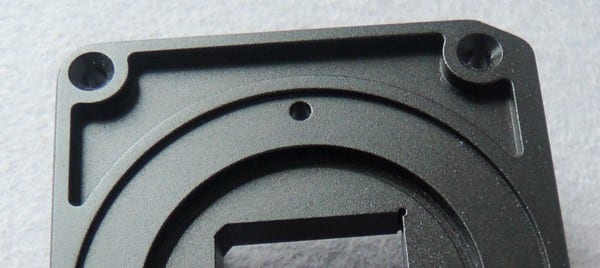
After anodization, the aluminum part would have a semi-porous surface. The purpose of these pores is to store black dye used during the black anodization process. There are three dyeing techniques employed, which include:
2.1 Electrolytic Dyeing
This dyeing technique involves immersing the anodized aluminum part into another electrolysis bath. This bath would contain heavy metal salts and an electrode made from stainless steel. The metal salts could combine tin, nickel, and cobalt.
In this new bath, the anodized aluminum would serve as the cathode. When electrolysis commences, salt deposition on the pores present on the anodized aluminum occurs. Electrolytic dyeing often results in the production of parts with unique color fastness.
2.2 Inorganic Dyeing
These are non-water-soluble pigments but provide exceptional color fastness. An example of inorganic salt used during this process is cobalt sulfide. Black anodizing using inorganic dyes produces parts with colors that do not fade easily.
2.3 Organic Dyeing
Unlike inorganic dyes, organic dyes are water-soluble. To use organic dyes, dissolve them in warm water before adding them to the dye bath. Then immerse the anodized aluminum part into the dye bath to allow the organic dye to penetrate the semi-porous layer of the part. The darker the hue, the longer organic dyeing takes.
3. Sealing
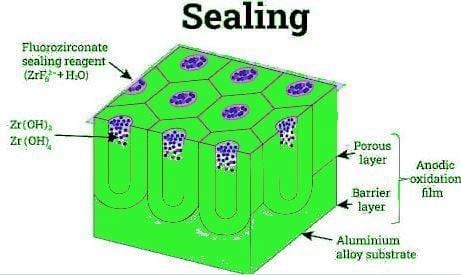
This is the final step of the black anodizing process and involves closing the pores present on the aluminum oxide part to trap the black dye within it. Sealing occurs in a nickel acetate or acid bath and helps harden the coat. Hardening helps prevent colors from bleeding out as well as fading.
Materials and Tools Needed for Black Anodizing Process
Black anodizing requires some materials to guarantee success. Although the process is straightforward, from pre-black to post-black anodizing, the materials listed below consider the facets of the process. These materials include:
- Sulfuric acid electrolyte
- Cathode
- Dyeing bath
- Dye Color
- DC power source to provide direct current
- Tank resistant to acid to contain the electrolyte
- Degreaser for cleaning the tank after the process
- Conductive wire for hanging the aluminum part
Advantages of Black Anodized Aluminum
1. Highly Aesthetic Appearance
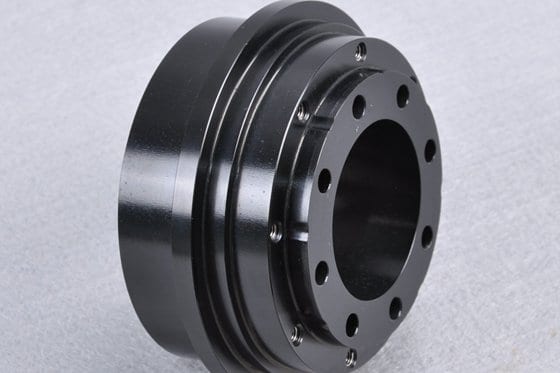
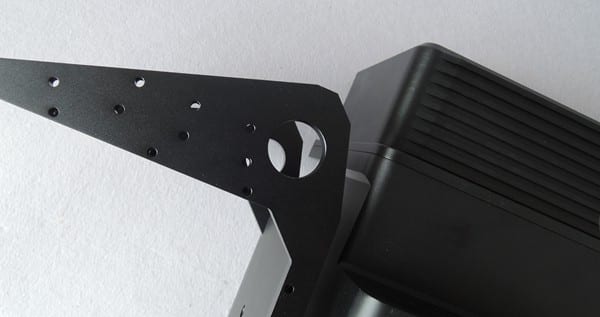
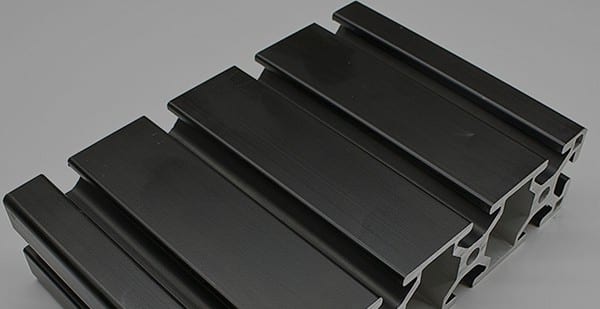
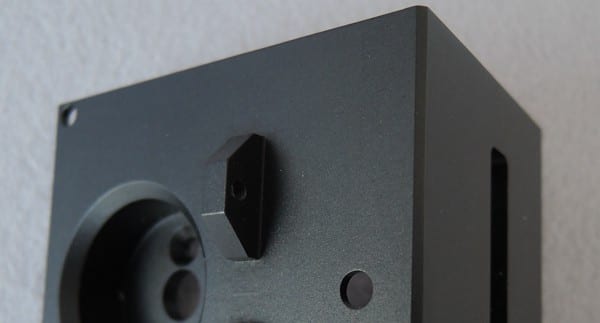
Black anodized aluminum has a beautiful matte black surface finish for ornamental and cosmetic purposes. It also provides an upscale, powder-coated appearance.
2. Corrosion Resistance
The anodized coating shields the aluminum from corrosion brought on by oxidation and the environment. In challenging outdoor settings, it guards against chemical compounds and humidity damage. With Black anodizing, corrosion does not harm the basic metal. Instead, it only affects the coating that was applied.
3. Cost Effective
An inexpensive way to color aluminum is by black anodizing. With better performance and aesthetics than powder coating, it offers a better finish at less anodizing aluminum cost. This process also makes use of less-priced dyes and tooling.
4. Thermally Stable
Aluminum that has been black anodized and sealed properly is heat resistant and won’t corrode or change color. Besides, the stable coating won’t burn off or lose adhesion at sustained elevated temperatures that would harm paints or powder coating,
5. High Color Retention
Black anodized components exhibit a great color fastness when colored with inorganic or metal salts. Consequently, on exposure to UV (ultraviolet) radiation, they usually maintain their color. In other words, black anodized metal parts do not fade easily, especially with inorganic dyes.
Limations of Black Anodized Aluminum
Having examined the pros of black anodized aluminum parts, here are some limitations one might experience with this surface finish.
1. Difficult Process
A thorough cleaning and pre-treatment of the aluminum are necessary for successful anodizing, followed by meticulous anodizing and dyeing management. Besides, insufficient processing and minimal protection lead to poor results with uneven coating. For a successful black anodization process, it is crucial to have knowledgeable operators and well-maintained machinery.
2. Fading
With outdoor use, some progressive fading over time is unavoidable. Also, black anodized items will fade with organic dyes as the coloring material. The reason is that organic dyes cannot withstand UV light exposure.
Moreover, poorly sealed or thin anodic coatings may fade or bleed color when exposed to high light. Maximum light-fastness calls for premium dyes and strong sealing.
3. Cracking on Material Surface
Black anodized items may experience cracking of the anodic coating when subjected to thermal cycling. The differing rates of thermal expansion of the substrate and coating cause fissures.
4. Material Limitation
Black anodizing is not possible on every metal. It is only possible on aluminum, magnesium, and titanium. Also, not all types of aluminum alloys or series of aluminum can undergo this process. It only works on aluminum series 5, 6, and 7, with series 6 being the most popular.
Differences Between Black Oxide Coating vs Black Anodizing
Black anodizing vs black oxide coating is a popular debate among manufacturers, but which is better? Let us examine both processes.
Black oxide coating, also known as blackening, is ideal for coating ferrous materials, stainless steel, copper-based alloys, copper, zinc, and silver solder. It impacts metals with mild corrosion resistance, minimizes light reflection, and improves aesthetics. Unlike black anodizing, black oxide coats materials in a chemical conversion. There are three methods of black oxide coating depending on the temperature used; hot, mid-temperature, and cold.
On the other hand, black anodizing is an electrochemical process that helps make aluminum more beautiful and durable. This process makes the surface of metals resistant to weather elements for a long time. For best results, it is best to ensure all surfaces involved in anodizing are clean, free of contaminants, and dry.
Applications of Black Anodized Finish
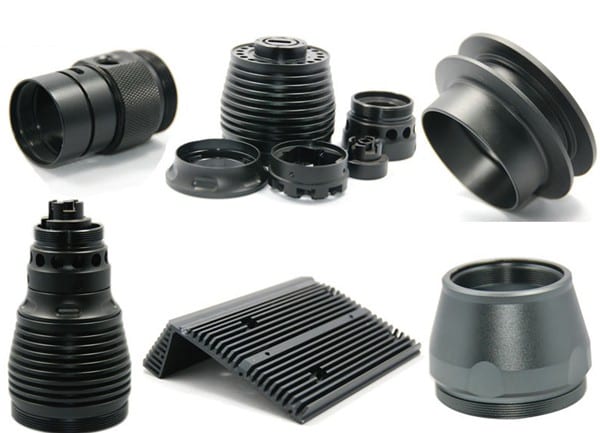
Architectural Parts: Exterior building components are well suited to anodizing’s durable and attractive black finish. These exterior components include windows, gutters, garage doors, decorative trim, downspouts, signage, doors, railings, etc.
Automotive Components: Black anodizing provides an appealing black coating resistant to weather and chemical environmental deterioration. Black anodized automotive components include; Speaker grills, pedals, shifters, grills on the grills, etc.
Medical Supplies: Anodizing produces a black finish that is sterile, corrosive-resistant, and impact-resistant, making it ideal for making wheelchairs, walking sticks, medical equipment, oxygen tanks, etc.
Electronic Housings: These include smartphones, tablets, laptops, and stereo equipment, among others. Enclosures benefit greatly from anodized aluminum’s lightweight, reusable, and heat-dissipating characteristics.
Industrial Equipment and Machinery: Anodized aluminum is appropriate for industrial tools and machinery due to its outstanding mechanical qualities and chemical/abrasion resistance. It is used to finish industrial machinery components such as replacement valves, rollers, pulleys, gaskets, and caps.
Surface Finish Services at Sendot Technology
Black anodizing gives aluminum and other metals a beautiful and classy surface finish. Asides from aesthetics, black anodizing also improves part corrosion and wear resistance while being easy to maintain. Are you looking to anodize your aluminum parts to get tuning and a durable finish? Sendot Technology is just right for you!
Sendot Technology offers one-stop machining and part finishing services to meet all your needs. We also guarantee high quality and a durable surface finish with excellent color. So why wait? Contact us for your projects today!

FAQ
Does black anodized surface fade, rust, or scratch?
Anodized aluminum does not corrode, fade, scratch, or rust easily. The term “rust” often describes the development of a flaking, damaging oxide layer on ferrous metals. aluminum anodizing develops an oxide coating that sticks to the surface and stops the metal’s base material from further oxidizing.
How long does it take to black anodize aluminum?
The intended anodic layer thickness, the dyeing methodology, and the post-dye sealing method all affect how long it takes to black anodize a part. 2.5 microns are typically anodized in five minutes.
Therefore, it will take around 1 hour to anodize a minimum 25-micron black anodized thickness. Up to 20 minutes can pass during the coloring process. These timelines also consider the washing and rinsing procedures.
Can steel be black anodized?
Black anodizing steel is not feasible. There are three metals that can undergo black anodization: aluminum, titanium, and magnesium.
Frequently asked questions
What are the three steps of the black anodizing process?
Which aluminum alloys can be black anodized?
Which dyeing method gives the best color retention?
What is the difference between black anodizing and black oxide coating?
What products commonly use a black anodized finish?
Manufacturing next step
Apply this guidance to your part
Continue to the relevant service page for process scope and buyer inputs. If your design is ready, send the current files for engineering review and quotation.
Related manufacturing resources
Continue with the process or project stage most relevant to this topic: