UFLPA Traceability Docs Buyers Need From China Suppliers
TL;DR
To reduce UFLPA detention risk on a shipment from a China supplier, build a product-specific evidence file before production and keep it consistent through export: material identity and origin, every relevant production or processing location, supplier and subcontractor roles, order and shipping records, and inspection records that identify the same part and lot. A supplier can provide or request these inputs, but the importer of record remains responsible for its own customs and legal review. Documentation reduces uncertainty; it does not guarantee release or establish a legal conclusion.
- Trace the material: grade, mill or source documentation where available, country/region and lot reference.
- Trace the process: supplier, facility, subcontracted operation and production route.
- Reconcile the shipment: part number, revision, quantity, invoice, packing list and transport records.
This guide is for a buyer qualifying a Chinese machine shop or metal-parts supplier for U.S.-bound goods. The phrase UFLPA compliance documentation China supplier is often used as if it means one certificate. It does not. The useful file is a chain of consistent records that lets the importer explain where the material came from, who handled it, how the part was made and which shipment the records describe.
U.S. Customs and Border Protection (CBP) leads implementation of the Uyghur Forced Labor Prevention Act. CBP says its 2026 Forced Labor Enforcement Operational Guidance includes recommended supply-chain documentation for high-priority sectors, due-diligence examples and sample detention or exclusion notices. Review the CBP announcement of the updated importer guidance and have your customs broker or counsel apply the current rules to your shipment.
What the UFLPA question actually asks
The UFLPA creates a rebuttable presumption for goods mined, produced or manufactured wholly or in part in the Xinjiang Uyghur Autonomous Region, or by an entity on the UFLPA Entity List. CBP describes the law and its implementation in its UFLPA explainer for importers. The importer therefore needs more than a factory address or a generic statement that a product is made in China.
For a machined steel or aluminum part, the evidence question is usually: can the importer identify the material inputs and relevant production steps for this part and shipment, and can the documents be reconciled without contradictions? The precise package depends on the product, supply chain and CBP request. Do not treat a supplier declaration as a substitute for importer due diligence.
UFLPA documentation checklist for a China supplier
| Evidence area | What a buyer can request | What to reconcile | Boundary |
|---|---|---|---|
| Part identity | Part number, drawing revision, description, material and lot/work-order reference. | PO, invoice, packing list, inspection report and shipping records use the same identity. | A precise description supports review; it does not prove origin by itself. |
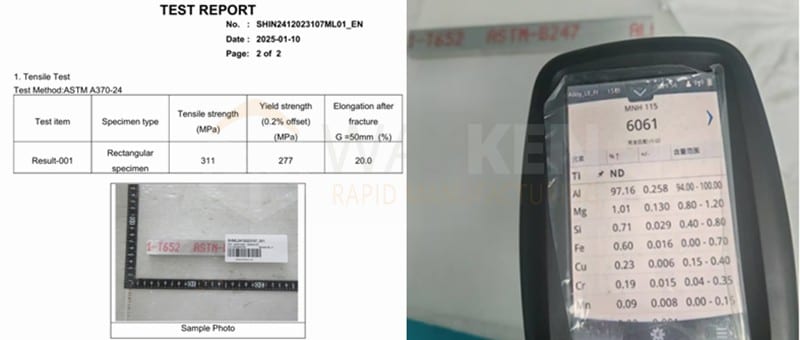
| Material origin | Material certificate or mill certificate where available, supplier/source identity, grade, heat or lot number and country/region information. | Certificate grade and lot match the material used for the job and the quantity shipped. | Ask whether the document covers the actual input; avoid generic certificates. |
| Process route | Manufacturing flow, facility addresses, processing steps, subcontractor names/roles where applicable and change records. | Every material or production hand-off is explainable for the shipped part. | Do not invent an upstream tier that the supplier has not verified. |
| Supplier due diligence | Supplier identity, responsible contact, policies or questionnaires, and evidence of screening appropriate to the buyer's programme. | Legal entity, production address and the entity actually named in records agree. | Private questionnaires are not a government clearance or certification. |
| Shipment file | Commercial invoice, packing list, bill of lading or airway bill, purchase order, quantity and date records. | Documents describe the same goods, lot, quantity and route. | Shipping paperwork supports chain-of-custody review; it cannot cure missing upstream evidence. |
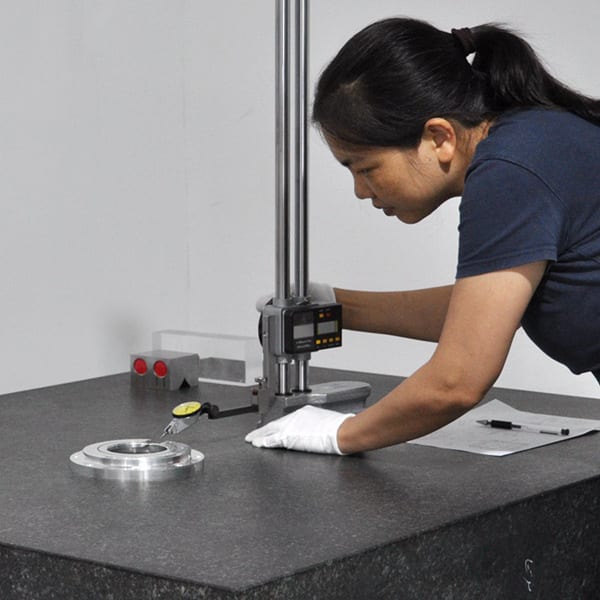
| Quality evidence | Incoming material inspection, first-article or dimensional report and nonconformance/change records where required. | Report identifies the same drawing revision, lot and supplier process. | Quality evidence proves inspection activity, not the absence of forced labor. |
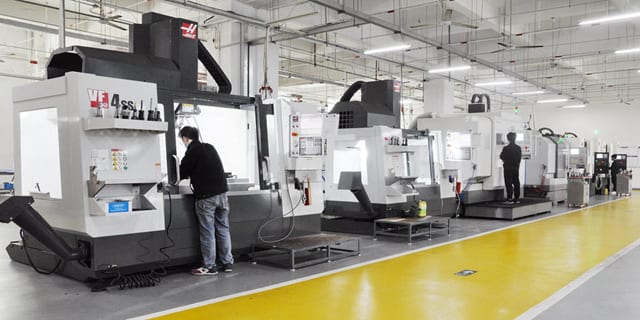
Sendot's quality process includes incoming raw-material inspection, documented special requirements, in-process inspection and final inspection. For a project where traceability documentation is required, state the exact material, origin and report requirements in the RFQ so the team can confirm what is available for that part and supplier chain. See quality assurance capabilities and our aluminum CNC machining page for the manufacturing context.
How to verify a traceability package before shipment
- Freeze the identity. Record the part number, revision, material grade, quantity, finish and destination before requesting evidence.
- Map the route. Ask which entity supplies the material, which facility machines the part, and which operations are subcontracted. Record addresses and roles where relevant.
- Match the material records. Compare grade, heat/lot reference, quantity and source across the material certificate, incoming inspection and work order.
- Match the production records. Reconcile the drawing revision, process route, inspection report and nonconformance/change history.
- Match the shipping file. Compare invoice, packing list, transport document, quantity, date and part identity.
- Escalate gaps early. If a supplier cannot explain a missing origin, tier or lot link, pause the evidence review and ask the importer’s broker or counsel what is required.
Use the same evidence discipline when qualifying a second source. Our overseas supplier vetting checklist covers legal identity, process evidence and inspection questions; a supplier scorecard can make document completeness a tracked qualification item instead of a one-time email request.
What a supplier can provide—and what it cannot decide
A supplier can organise manufacturing evidence for the goods it makes: the agreed material and inspection records, the production route it controls, relevant subcontractor information it has verified, and shipment documents prepared for the order. The exact file must be agreed project by project. A supplier should not promise that a packet will satisfy CBP, guarantee release, or give a legal opinion about forced-labor compliance.
The importer of record decides how to perform its due diligence, classify and enter the goods, respond to a detention, and obtain legal or customs advice. CBP’s guidance is the appropriate starting point for a U.S. import review. If the goods are detained, the importer should follow CBP instructions and work with its broker and counsel; a supplier can help locate records but cannot control the government decision.
Build the request into your RFQ
Add a short traceability section to the RFQ: material grade and origin fields, whether mill/material certificates are required, whether upstream source mapping is required, which subcontractors must be disclosed, the required inspection report, lot/heat linkage, document language and the deadline for the evidence pack. Then ask the supplier to identify any item that is unavailable before the purchase order is released.
Send CAD, material and destination details through our request-a-quote form. We can review the manufacturing and quality requirements together, while your importer, customs broker and legal adviser retain responsibility for U.S. entry and UFLPA decisions.
Frequently asked questions
What UFLPA documents should I request from a China supplier?
Does a mill certificate prove UFLPA compliance?
Can a China supplier guarantee that CBP will release my shipment?
Do aluminum and steel parts need the same UFLPA evidence?
When should I collect traceability documents?
Manufacturing next step
Apply this guidance to your part
Continue to the relevant service page for process scope and buyer inputs. If your design is ready, send the current files for engineering review and quotation.
Related manufacturing resources
Continue with the process or project stage most relevant to this topic: