
5-Axis CNC Machining a Deep-Cavity Alloy Steel Housing
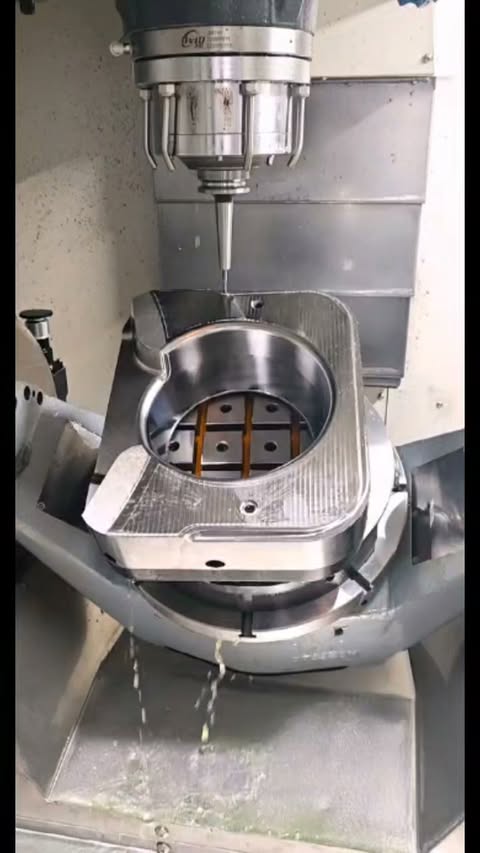
This video shows 5-axis CNC fine machining inside a deep-cavity alloy steel housing in one clamping sequence. It is useful to buyers evaluating tool access, datum control and inspection planning for similarly enclosed geometry. The sourcing decision starts with the cavity opening, wall depth, internal radii, material condition and critical drawing characteristics—not with a generic machine label. Sendot can review the model and controlled drawing, then align the proposed milling route and inspection deliverables with the geometry and order requirements.
Direct answer
What should a buyer evaluate for 5-axis deep-cavity machining? Evaluate whether the proposed setup can reach the required walls, floor and oriented features while preserving the drawing's datum relationships. The RFQ should define the exact alloy condition, internal geometry, critical tolerances, surface requirements and inspection deliverables so the supplier can plan machining and measurement together.
What the deep-cavity machining video shows
The cutter approaches internal walls and the cavity floor while the rotary axes orient the housing. The visible setup keeps the part clamped while multiple internal surfaces are machined. This makes the video most relevant to buyers comparing access strategy and feature relationships for a deep housing.
How tool access shapes the machining plan
Depth-to-opening geometry, corner radii, wall angles and adjacent features determine tool reach and orientation. A DFM review should also connect the machining datums to the features selected for acceptance. The CNC milling service is the closest process route, while quality assurance explains how inspection requirements enter the project workflow.
Explore similar manufacturing options
For deep housings and other enclosed milled parts, start with the closest process and material routes:
- CNC Milling Services — Closest process family for milled geometry
- Metal Machining Services — Material-focused machining route
- Quality Assurance — Inspection planning and documentation
Technical specifications and sourcing inputs
| Attribute | Current video or sourcing definition | Source and scope |
|---|---|---|
| Material family | Alloy steel | Original Reel description Video-specific |
| Machining route | 5-axis CNC fine machining | Original Reel description and footage Video-specific |
| Setup shown | One clamping sequence | Original Reel description and footage Video-specific |
| Material grade and condition | Define on the controlled drawing | Customer drawing Project input |
| Datums and critical characteristics | Define on the controlled drawing | Customer drawing Project input |
| Inspection deliverables | Define in RFQ or purchase order | Buyer quality requirement Project input |
5-axis access vs multiple 3-axis setups for a deep cavity
| Decision factor | 5-axis access | Multiple 3-axis setups |
|---|---|---|
| Feature orientation | Machine can orient the tool toward several internal surfaces | Each inaccessible orientation may need another setup |
| Datum relationship | Multiple faces can retain one setup reference | Reclamping requires a transfer strategy |
| Best fit | Enclosed or multi-angle cavity geometry | Open geometry reachable from fixed directions |
| Buyer action | Review rotary clearance and tool reach | Review locating repeatability between setups |
Deep-cavity sourcing process
- Define: Release the model, drawing, material state and acceptance characteristics.
- Review: Check cavity opening, tool reach, workholding and measurement access.
- Plan: Select setup references, roughing and finishing sequence, and inspection method.
- Machine: Run the approved 5-axis sequence with the selected workholding.
- Inspect: Measure the agreed characteristics and issue the requested report package.
Buyer checklist for a deep-cavity housing RFQ
- Send the 3D model and a revision-controlled drawing.
- Define the alloy grade and supplied material condition.
- Identify cavity datums, critical dimensions, geometric controls and finish zones.
- State quantity and the dimensional report or first-article evidence required.
- Flag internal features that need a specific inspection method or access review.
These inputs let the supplier review manufacturability, workholding and measurement as one sourcing decision.
Frequently asked questions
Is 5-axis machining always required for a deep cavity?
What files should I send for a deep housing quote?
Which cavity features should be identified as critical?
Can a supplier review tool access before quoting?
How should inspection be specified for internal features?
Related videos and guides
- One-Setup 5-Axis CNC Aluminum Machining
- 5-Axis Automotive Mold-Cavity Machining
- CNC Machining From 3D Model to Metal Part
- GD&T Guide
- CNC Machining Service Guide