CNC Machining Cost Drivers: What Changes a Quote

TL;DR
A CNC machining quote changes when the supplier must plan different stock, setups, tool access, machining time, finish or inspection scope. Start with the controlled drawing and model, then state material, quantity, finish, critical characteristics and required records. Compare suppliers on the same stated scope—not a headline figure alone—and confirm final price, schedule and deliverables against the project package.
- Geometry drives planning: access, setups and workholding come from the actual part.
- Requirements drive scope: material, finish and evidence must be stated, not assumed.
- Comparison needs control: normalise quotations before selecting a route.
The primary keyword for this page is CNC machining cost drivers. It is a buyer guide for an RFQ-stage decision, not a price list or calculator. Sendot reviews CAD, drawings, material, quantity, finish and inspection requirements before confirming a project-specific quote.
Which inputs change a CNC machining quote?
A useful quote is a scoped manufacturing plan. The following inputs can change that plan; their importance depends on the drawing, material, quantity and acceptance requirements.
| Input | What it can change | Buyer action |
|---|---|---|
| Geometry and access | Setups, workholding, tool reach and machining sequence | Provide the current solid model and controlled revision. |
| Material requirement | Stock selection, machinability and any stated material record | Name grade/condition and buyer-approved alternatives, if any. |
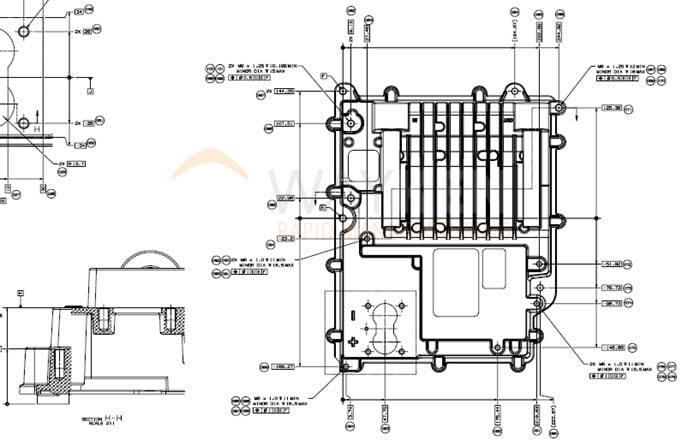
| Critical dimensions | Machining and measurement planning for defined characteristics | Use a controlled drawing or complete model-based definition. |
| Quantity | How setup and repeat work are considered across the requested order | State the current quantity and any non-binding future context. |
| Finish and secondary work | Sequence, masked/protected areas and acceptance scope | Identify finish specification and cosmetic/functional zones. |
| Inspection and records | Requested evidence, format and release criteria | State the characteristics and documentation required for the order. |
Cost-driver comparison: defined scope vs assumptions
- Controlled revision and geometry
- Material, quantity and finish stated
- Critical characteristics and records identified
- Assumptions can be discussed before order release
- May require clarification before a final scope is confirmed
- Can make supplier responses hard to compare
- Should be resolved by the buyer against the drawing
- Must not be treated as an automatic design approval
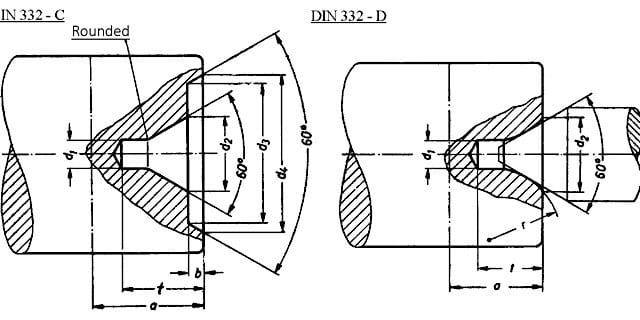
Geometric requirements need to be explicit and interpretable. ISO 1101 and ASME Y14.5 are authoritative references for geometrical product definition; use the standard and revision specified by your project.

How to prepare a cost-comparable RFQ
Identify the governing drawing/model and units.
Material, quantity, finish and critical requirements.
Resolve DFM feedback before buyer release.
Compare inclusions, exclusions and delivery basis.
- Send the same controlled package to every supplier.
- Ask each supplier to state material, finish, inspection/documentation, delivery basis and exclusions.
- Compare whether any alternative or manufacturability suggestion changes the buyer's released design.
- Confirm the selected quotation against the final drawing, deviations and agreed order.
For the full input checklist, see how to write a machining RFQ. For file preparation and neutral-format guidance, see CNC quote file formats. Supplier feedback can help identify a question or alternative; the buyer remains responsible for final design release and acceptance approval.
Inspection, finishes and documentation
Finish and inspection needs are part of the project scope. Do not assume a default inspection report, material record or finish standard. Define the required characteristics and desired evidence in the RFQ, then confirm availability, method and format against the drawing and agreed order.

Watch: cost decisions before machining

Request a drawing-led quote review
Upload the current CAD model and drawing with material, quantity, finish, critical characteristics and required evidence. Sendot can review the request and provide DFM feedback where applicable; price, schedule and deliverables are confirmed per project and agreed order.
Frequently asked questions
What is the biggest CNC machining cost driver?
Can I compare CNC quotes by unit price alone?
Do tighter tolerances always cost more?
Are inspection reports included by default?
Can DFM feedback change the released design?
Manufacturing next step
Apply this guidance to your part
Continue to the relevant service page for process scope and buyer inputs. If your design is ready, send the current files for engineering review and quotation.
Related manufacturing resources
Continue with the process or project stage most relevant to this topic: